Is aluminum camp cookware safe for cooking and boiling water?
Plain aluminum is usually safe for boiling water and most non-acidic meals, but damaged or acidic-use pots need caution.

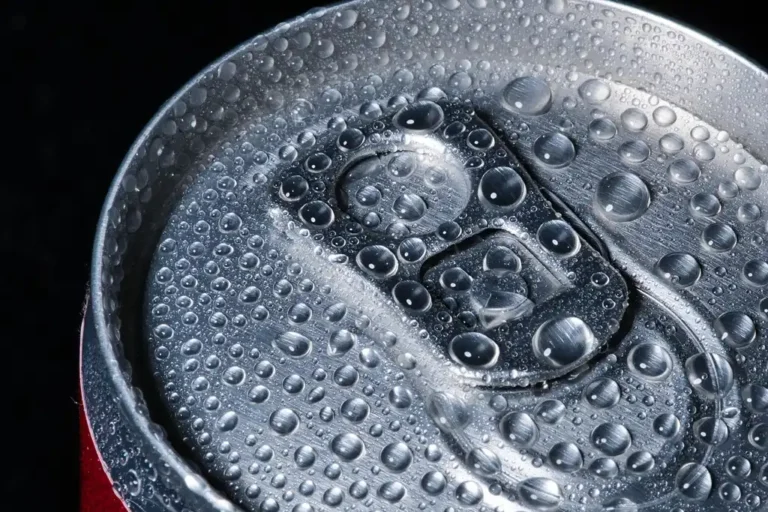
Plain aluminum is usually safe for boiling water and most non-acidic meals, but damaged or acidic-use pots need caution.
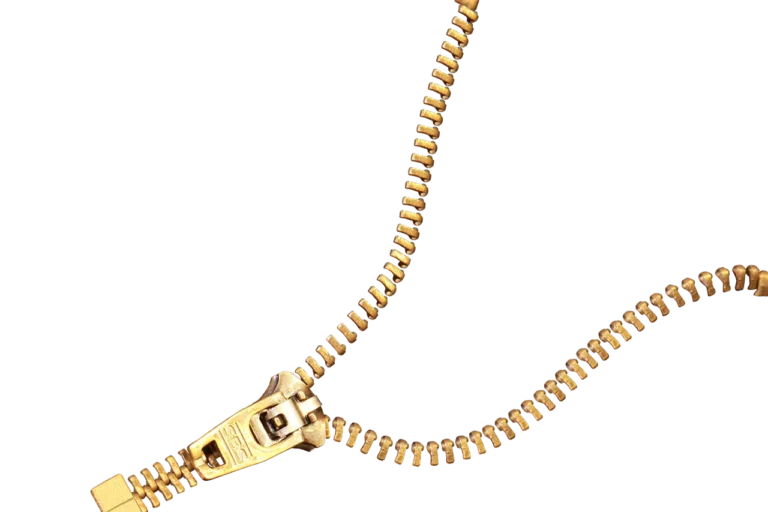
A tent zipper usually sticks because of dirt, fabric tension, or a worn slider. Learn how to clean it, realign it, and know when to replace the slider.

Pack heavy items close to your back, keep rain gear and snacks easy to reach, and place sleep gear at the bottom for multi-day trips.
Store a synthetic sleeping bag fully dry and loosely in a breathable sack or on a shelf to protect loft and limit mildew odor.
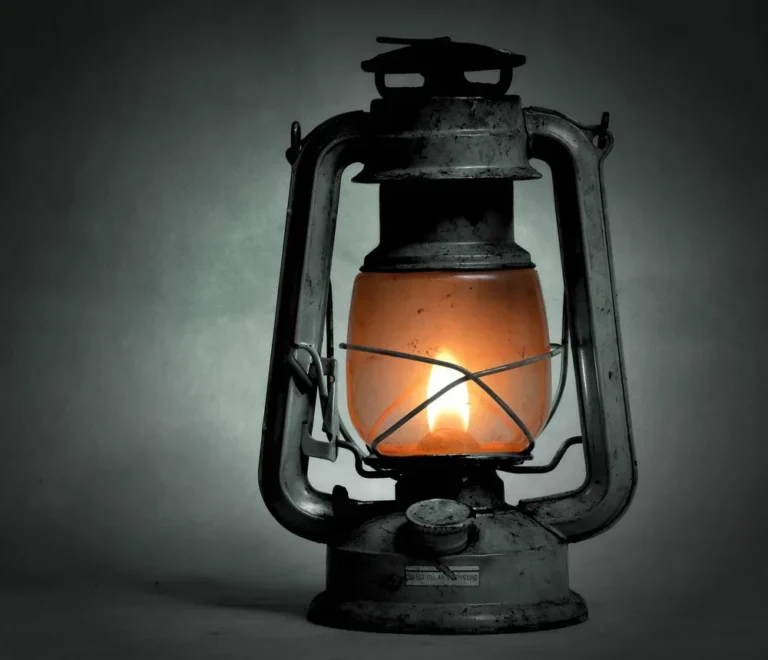
Propane works better in cold weather; butane is lighter and compact for mild conditions. This guide compares stove compatibility, canister formats, and temperature limits.
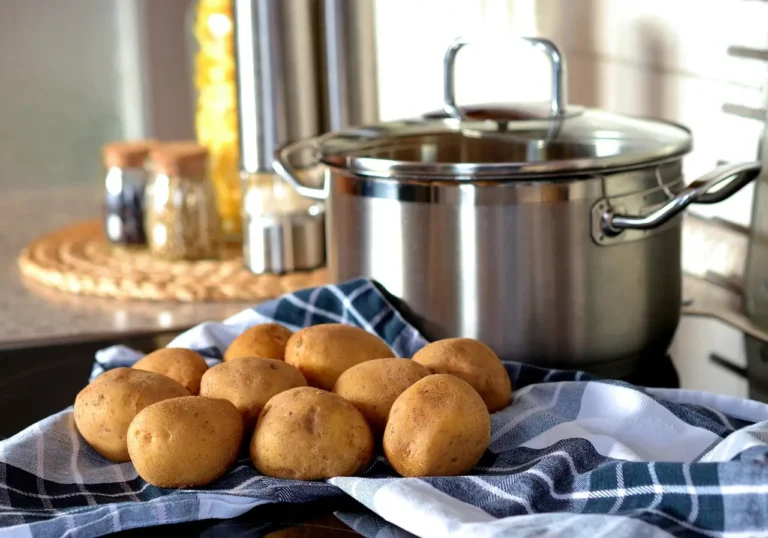
Use the right cleaning method for cast iron, stainless, non-stick, Dutch ovens, soot, and low-water camp cleanup.
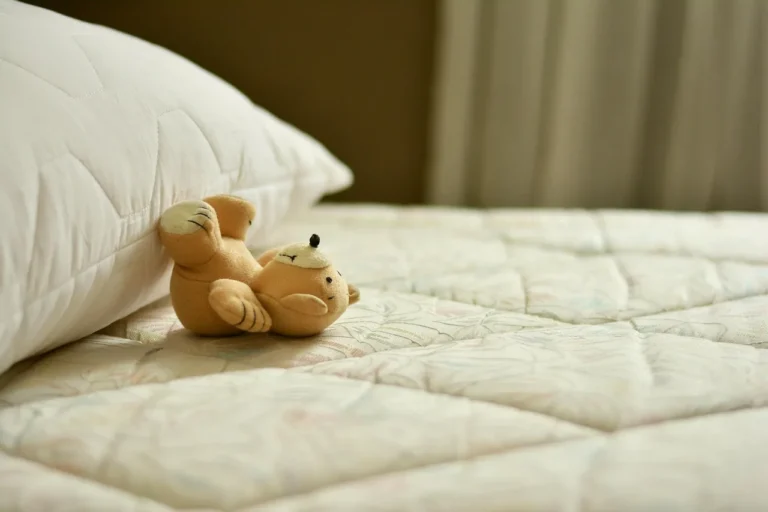
An air mattress is usually fine for one or two nights if it stays firm, but sagging can worsen back pain, stiffness, numbness, or sleep loss.
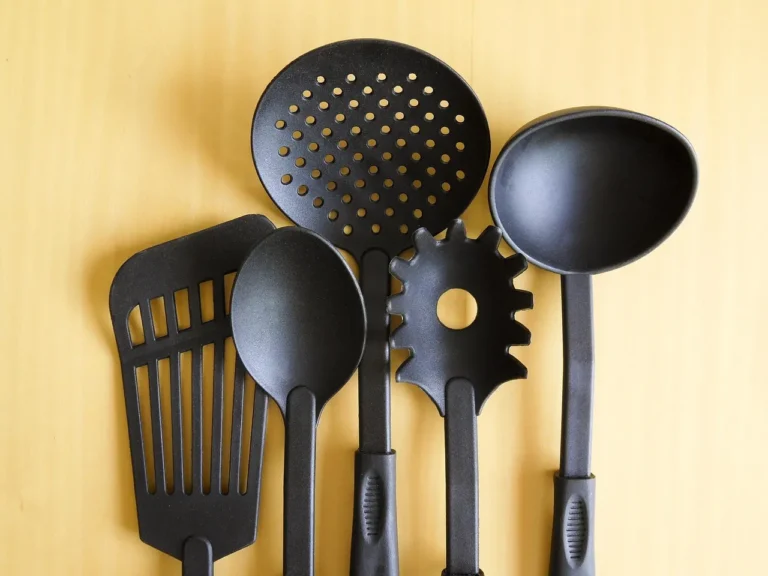
Compare cookware materials for family camping by weight, cleanup, heat performance, and kid safety.
Pitch high and dry, open two vents or a door gap, and keep wet air out at bedtime.
For most families, a 2-burner camp stove is enough; choose 3 burners if you cook several dishes at once or wait on one pot after another.