Camp cookware cleaning mistakes that can ruin your pots and pans
Avoid abrasive scrubbers, harsh detergents, and cold-water shocks on camp cookware; they scratch coatings, strip seasoning, and warp metal.

Camp cookware sets compared by material, what a family trip really needs, and how to clean burnt pots and pans.
Avoid abrasive scrubbers, harsh detergents, and cold-water shocks on camp cookware; they scratch coatings, strip seasoning, and warp metal.
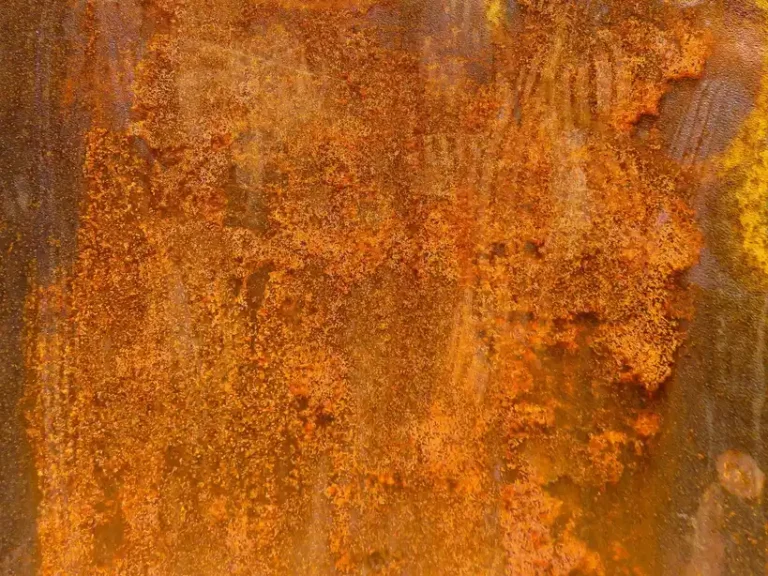
Replace camp cookware when food-contact surfaces flake, pit, crack, warp, or rust through. Learn which damage is cosmetic and which means replace it.
Cookware for kids should limit heat transfer, resist tipping, and be easy to grip, clean, and cover without spills.
Choose cookware by trip type, heat source, and meal style. This guide covers materials, common pot and pan types, and the best uses for each.
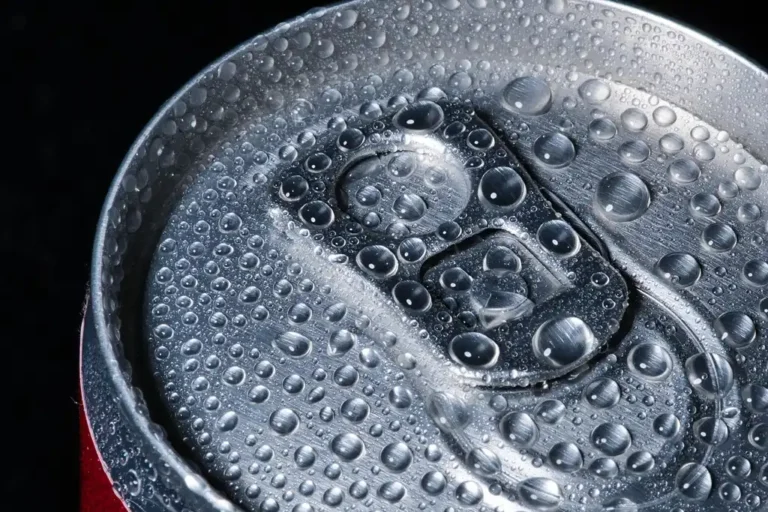
Plain aluminum is usually safe for boiling water and most non-acidic meals, but damaged or acidic-use pots need caution.
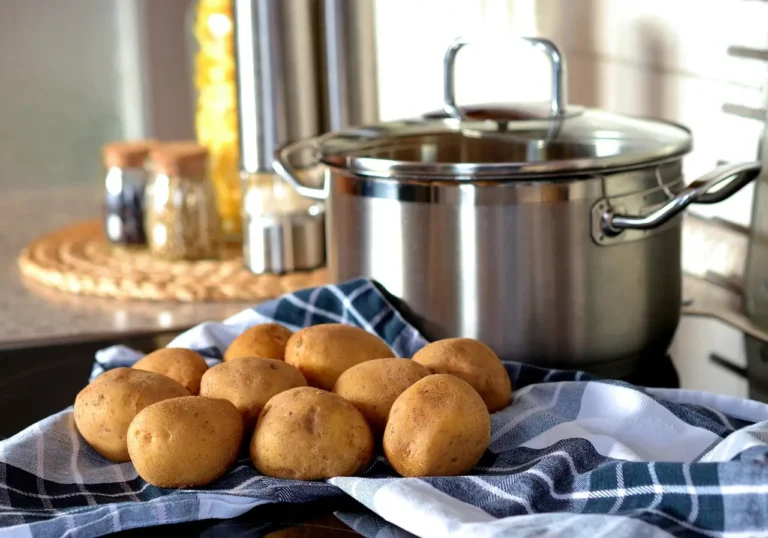
Use the right cleaning method for cast iron, stainless, non-stick, Dutch ovens, soot, and low-water camp cleanup.
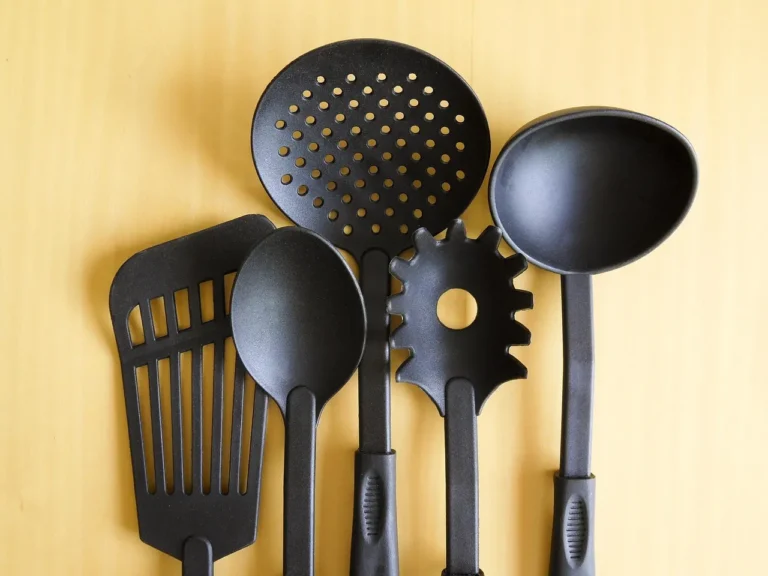
Compare cookware materials for family camping by weight, cleanup, heat performance, and kid safety.
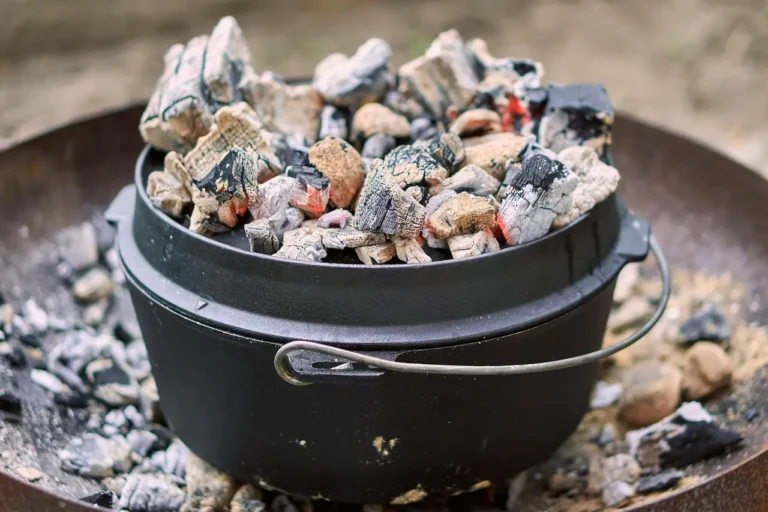
Clean a rusty cast iron camp oven safely, judge damage first, remove rust with the least abrasion, then dry and re-season it for reuse.

For most families of 3 to 6 on car-camping or RV trips, a 2.5 to 3.5 quart pot, a 10 to 12 inch skillet, and a 6 to 8 cup kettle or second pot are enough.
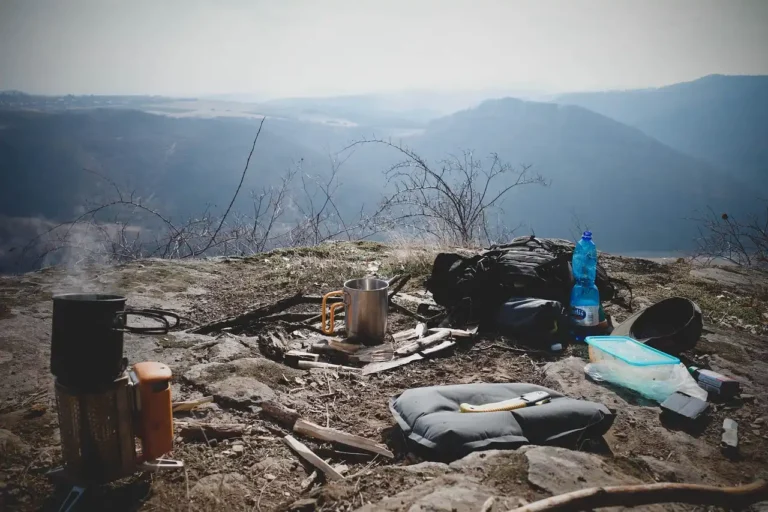
Use soak time, baking soda paste, and the right scrubber for cast iron, stainless steel, aluminum, enamel, and nonstick cookware.