How to test your backpack rain setup before a trip
Test your backpack rain setup before a trip with a simple hose-and-pause check, then fix leaks by layer so gear stays dry.

Choosing a hiking backpack size and fit, daypack vs overnight pack, hiking gear basics and how to clean your pack.
Test your backpack rain setup before a trip with a simple hose-and-pause check, then fix leaks by layer so gear stays dry.

Choose a 30–40L backpack with a supportive hip belt and a torso-fit harness. Compare hiking comfort, travel access, and beginner-friendly pack sizes.

Choose a 20-30L daypack for loads under 15 pounds or a 35-50L pack with a hip belt for short overnights. Includes beginner-friendly picks and fit advice.

Dry bags keep individual items dry; pack liners protect the whole backpack. This guide explains how roll-top bags work and when to use them on hikes.
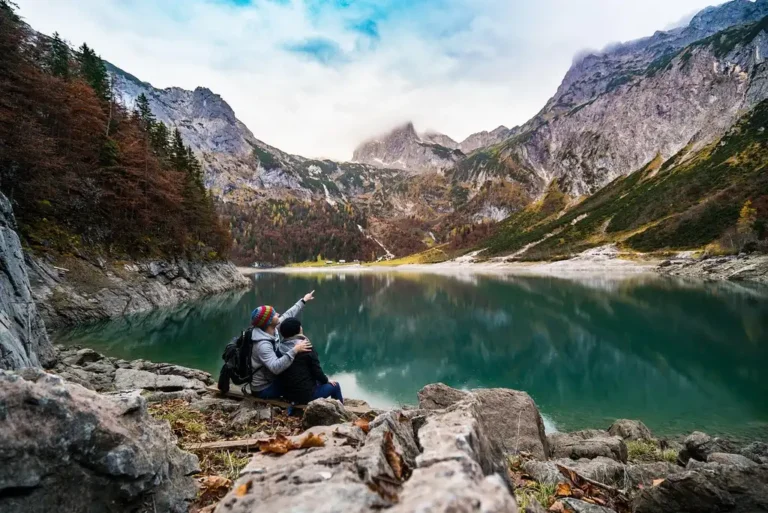
Pack heavy items close to your back, keep rain gear and snacks easy to reach, and place sleep gear at the bottom for multi-day trips.
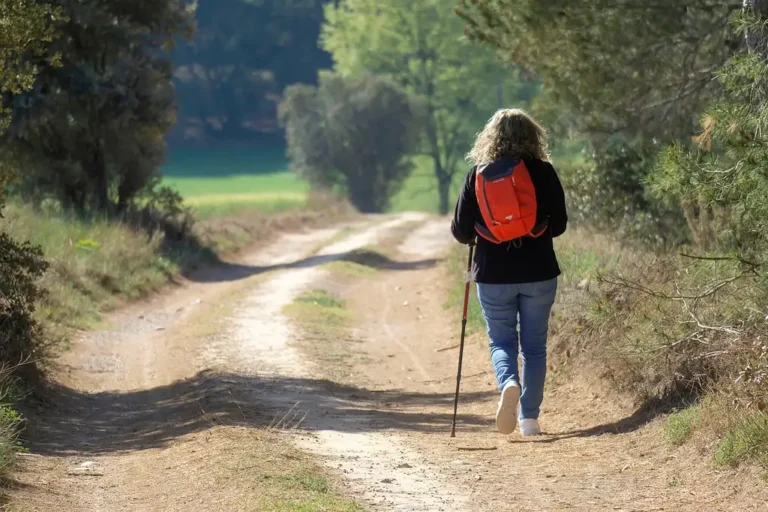
Use a 60–65 liter backpack with adjustable suspension, a supportive hip belt, and a 25–35 pound load range for a beginner long-distance hike.
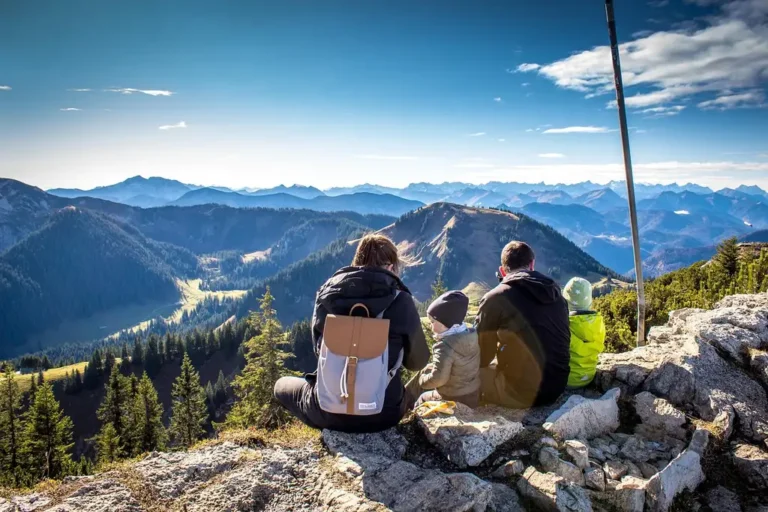
Choose a hiking backpack by torso length, hip size, and real gear volume. This guide covers sizing, frame types, load limits, and useful features.
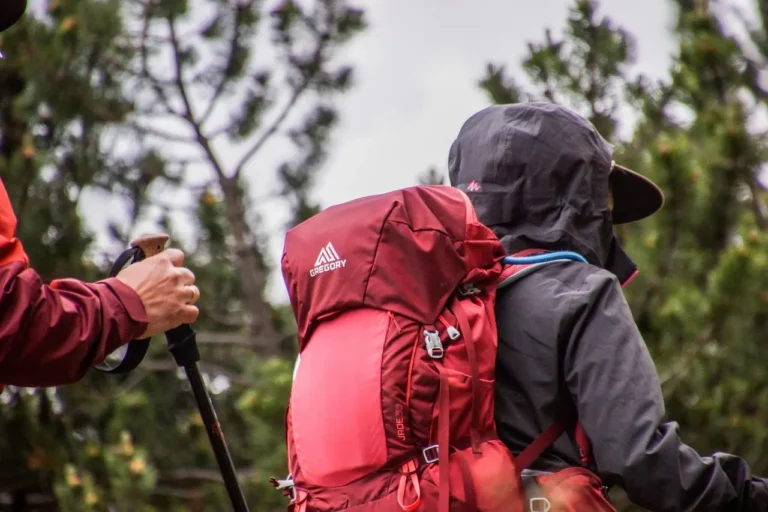
A backpack rain cover sheds rain from the pack body, but straps, the back panel, and exposed gear can still get wet in wind-driven rain.
Use three pack zones: heavy gear near your back, medium gear around it, and light gear on top and outside for easier trail access.
Gregory Arrio 22L is the best starting point for beginner day hikes: 22 liters leaves room for water, a layer, and snacks without oversizing the pack.