Camp stove fuel types: Pros, cons, best uses
Choose camp stove fuel by temperature, trip length, cooking intensity, and transport limits, with clear tradeoffs for canister gas, liquid fuel, alcohol, and wood.

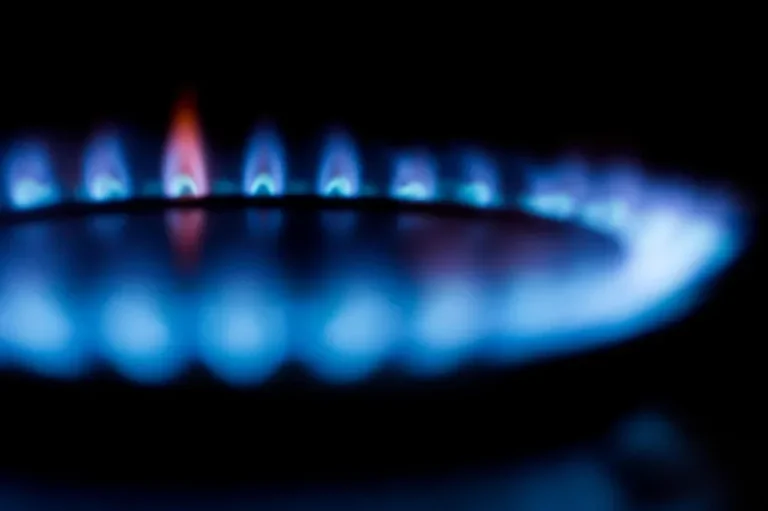
Choose camp stove fuel by temperature, trip length, cooking intensity, and transport limits, with clear tradeoffs for canister gas, liquid fuel, alcohol, and wood.

Dry cookware fully, keep lids open, separate materials, and use ventilated bins or odor absorbers to prevent rust and stale smells between trips.

Use a 1 tablespoon citric acid-to-1 cup hot water soak for 10 to 15 minutes, then scrub lightly; avoid aluminum and nonstick cookware.
Waterproof insulation first, clothing second, food third. Learn the right containers for rain, splash, and damp storage, plus a simple packing order.
Choose the cheapest RV water filter setup that fits your water source, from tank fills and boondocking to campground hookups and city water.
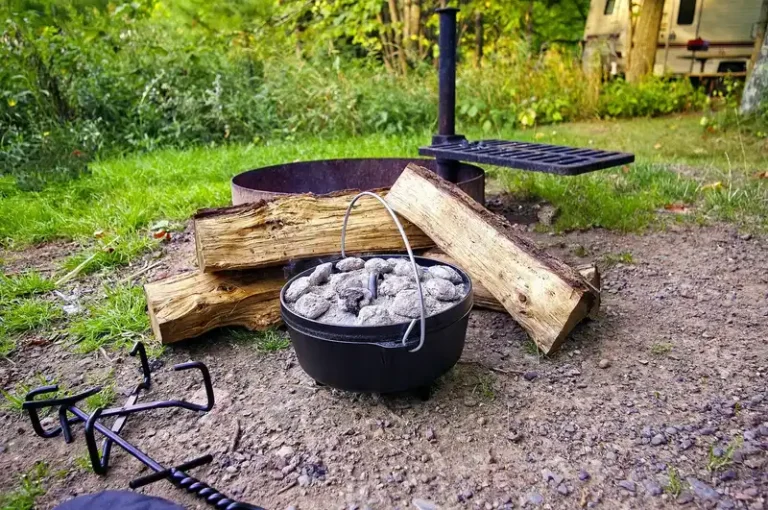
A beginner-friendly guide to buying camp cookware used or new, with clear rules for cast iron, stainless, nonstick, lids, and utensils.
Replace RV leveling blocks when you see cracking, chunking, crushed corners, deep gouges, or flex that makes the stack unstable.
Match the exact model first, then verify dimensions, attachment style, and heat-safe materials before buying replacement camp cookware parts.
Premium RV leveling blocks make sense for heavy rigs, frequent use, or hot uneven ground; budget sets can work for lighter, occasional setups.
Metal utensils can scratch nonstick and anodized aluminum, while bare cast iron and most stainless steel usually tolerate them.