When should you replace your RV sewer hose carrier?
Replace a sewer hose carrier when the tube, mount, or closure fails; repair only minor cap, latch, or fastener damage.

Replace a sewer hose carrier when the tube, mount, or closure fails; repair only minor cap, latch, or fastener damage.
Avoid abrasive scrubbers, harsh detergents, and cold-water shocks on camp cookware; they scratch coatings, strip seasoning, and warp metal.

Test your backpack rain setup before a trip with a simple hose-and-pause check, then fix leaks by layer so gear stays dry.
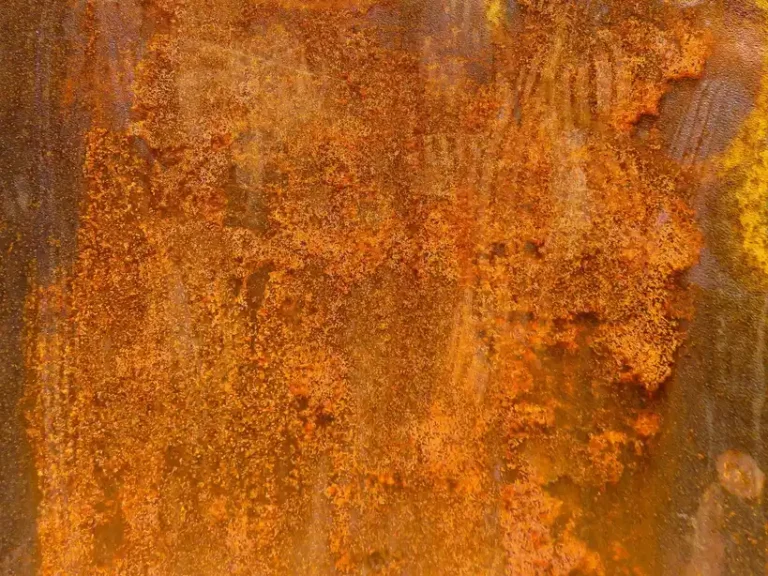
Replace camp cookware when food-contact surfaces flake, pit, crack, warp, or rust through. Learn which damage is cosmetic and which means replace it.
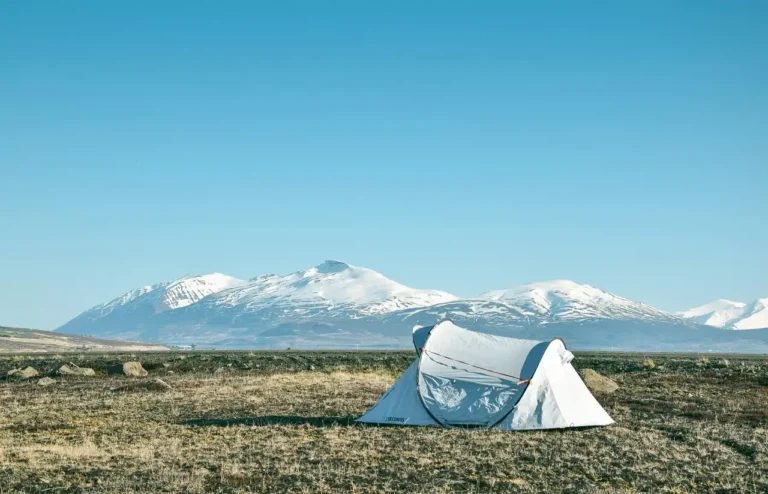
Tent condensation forms when humid air cools on the tent wall. Learn how to spot it, rule out leaks, and reduce moisture with better pitching and ventilation.
Cookware for kids should limit heat transfer, resist tipping, and be easy to grip, clean, and cover without spills.

Wetness on the inside after a cold night usually means condensation; growing wet spots in rain point to a leak. Learn the signs and the next fixes.

A compact two-burner tabletop camp stove fits most families with limited space, especially when you need a slim carry case and a small footprint.

Most families need a stable 2-burner propane stove with 20,000 to 30,000 total BTUs. This guide matches burner count, size, wind performance, and fuel setup to your cooking style.
Hand-wash a tent only when spot cleaning fails, using cool water, mild soap, and a soft sponge. Skip bleach, machine washing, and high heat.