Tent condensation: Causes, prevention, and Fixes
Tent condensation forms when humid air cools on the tent wall. Learn how to spot it, rule out leaks, and reduce moisture with better pitching and ventilation.

How to waterproof, clean, store and repair a tent, plus the common reasons tents leak, get mouldy or condense.
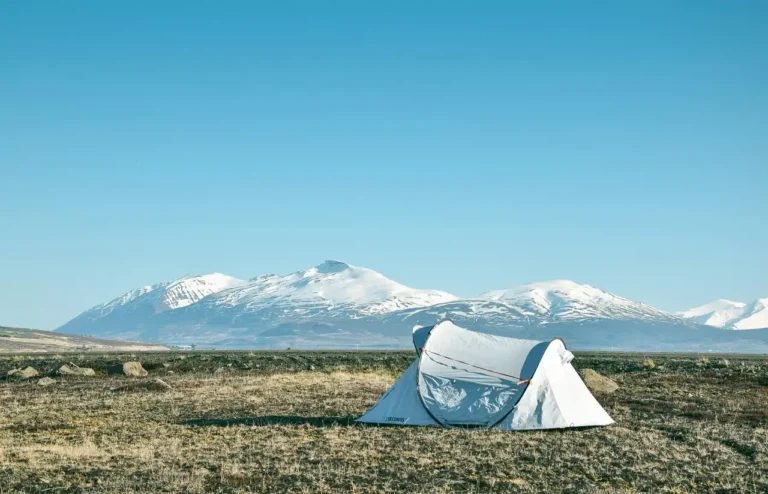
Tent condensation forms when humid air cools on the tent wall. Learn how to spot it, rule out leaks, and reduce moisture with better pitching and ventilation.
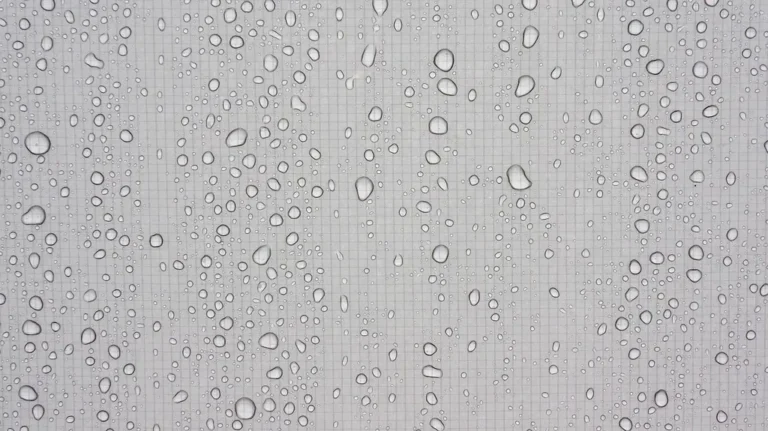
Wetness on the inside after a cold night usually means condensation; growing wet spots in rain point to a leak. Learn the signs and the next fixes.
Hand-wash a tent only when spot cleaning fails, using cool water, mild soap, and a soft sponge. Skip bleach, machine washing, and high heat.
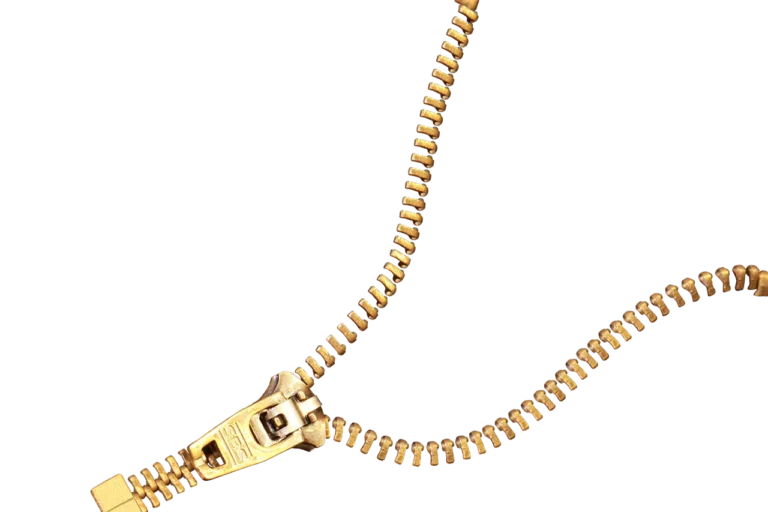
A tent zipper usually sticks because of dirt, fabric tension, or a worn slider. Learn how to clean it, realign it, and know when to replace the slider.
Pitch high and dry, open two vents or a door gap, and keep wet air out at bedtime.

Clean a tent by brushing off grit, spot-washing with lukewarm water and non-detergent soap, then drying and storing it fully dry to avoid mildew and damage.
Patch holes and leaking seams first, then restore water repellency only when the fabric still has a sound coating. Includes fabric ID, sealing, patching, and recoating.
A tent zipper that splits usually points to a worn slider, damaged teeth, or tension on the tent body. Learn how to identify the fault and fix it.

Warm, moist air condenses on cooler tent fabric. Find the main cause, then use the right fix for airflow, site choice, or tent setup.

Clean and lubricate the zipper teeth first; if the zipper still separates, pinch the slider slightly. If that fails, replace the slider or zipper.