Why won’t my tent zipper go up or down smoothly?

A tent zipper usually sticks because dirt in the coil, fabric tension pulls the teeth out of line, or the slider wears; if cleaning and loosening the load do not help, replace the slider before the teeth fail. Forcing it can split the zipper tape, jam the slider, or tear the door panel. This guide shows how to tell which fault you have, how to clean and realign it, and when repair is no longer worth the time.
What you’ll need
- Soft-bristled brush
- Clean cloth or microfiber towel
- Dry zipper lubricant safe for nylon or polyester
- Wax, silicone, or specialty zipper lubricant
- Replacement zipper pull
- Needle and strong thread, if a stop must be resecured
- Good light for inspecting teeth and slider alignment
- Optional: compressed air for loose grit, used lightly
Tent zipper troubleshooting matrix
Match the symptom you see. Dirt, fabric tension, slider wear, and tooth damage fail in different ways, so the fastest fix is not always lubricant.
| Symptom pattern | Likely cause | Immediate fix | Repair or replace threshold |
|---|---|---|---|
| One-way sticking | Slider widened, teeth not engaging evenly, or panel tension pulling the track sideways | Open the door fully, straighten the panel, then inspect the slider for spread jaws | Replace the slider if it feels loose on the teeth or no longer grips evenly |
| Mid-track jamming | Sand, mud, thread, or a twisted coil section | Clean both sides of the zipper and clear the jam with a cloth and brush | Repair if the jam clears and teeth stay aligned; replace if repeated jamming exposes broken teeth |
| Tooth skipping | Missing teeth, bent slider, or damaged top or bottom stop | Check the stop first, then inspect the skipped section for missing or bent teeth | Replace the zipper section or the whole zipper if teeth are missing or the stop will not hold |
| Fabric pinch | Door panel twist, zipper track held crooked, or the slider is catching the tape | Back the slider up, flatten the fabric, and reopen the door from the opposite direction | Replace the slider if the pinch repeats after realignment; repair tape damage if the fabric is torn |
How do you fix a sticky tent zipper?
A sticky zipper usually needs cleaning first, then a check for tension, then lubricant. Start with the least invasive step. If the slider is bent or teeth are missing, lubricant will not solve the problem and can hide the real fault for a little while.
- Open the door fully. Release strain on the zipper track so the fabric is not pulling the teeth out of line. A tight panel can make a good zipper feel rough.
- Brush both sides. Use a soft-bristled brush or cloth to remove sand, dust, dried mud, and loose thread from the coil or teeth. Clean the inside and outside edges, since grit often sits on both sides.
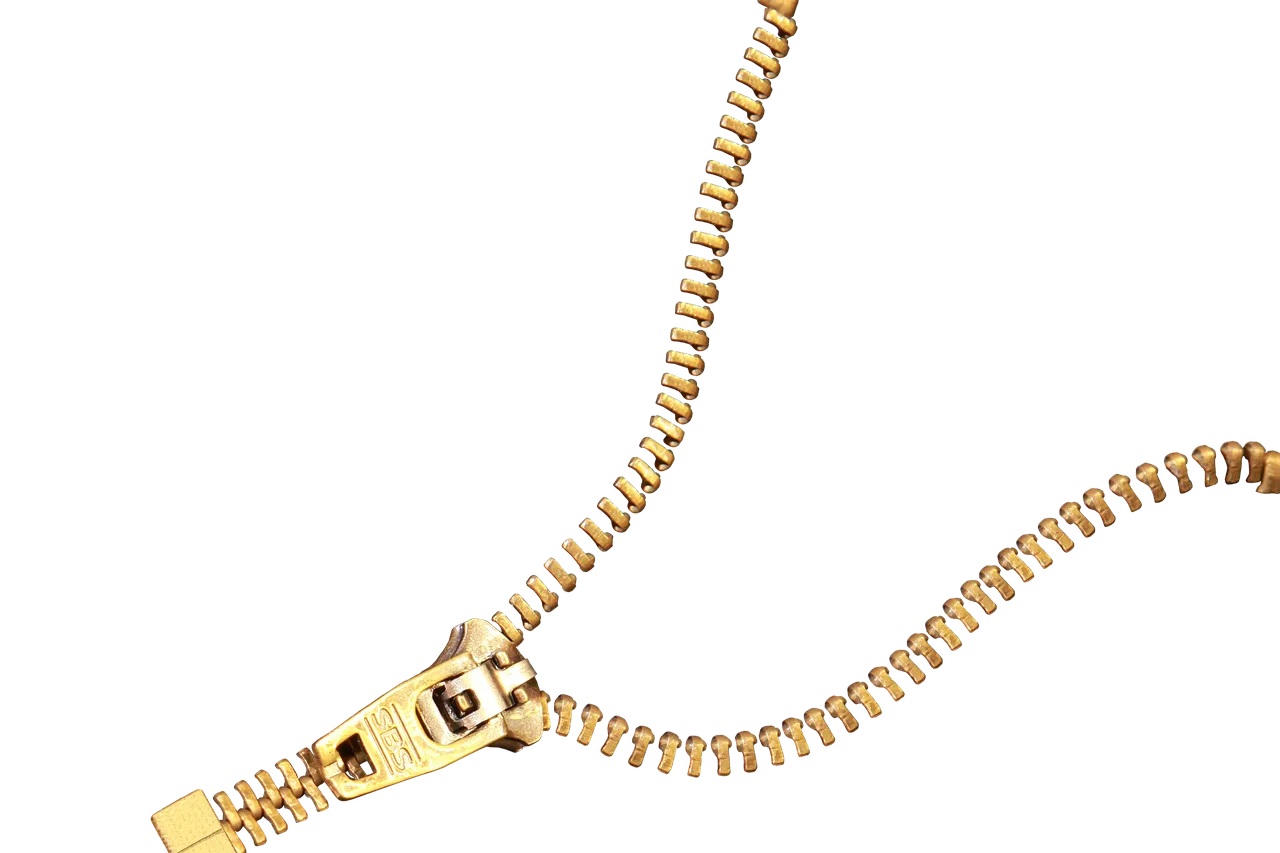
- Inspect the slider closely. Look for widened jaws, tilt, or a bent body. A metal or plastic slider can wear enough to stop gripping the teeth evenly, which causes dragging and skipping.
- Apply dry lubricant. Use a zipper-safe dry lube, wax, silicone, or a specialty zipper product in a light pass along the teeth. Apply a little lubricant, then recheck after one full open-and-close cycle before adding more.
- Test with short strokes. Move the slider a few centimeters at a time. If it still catches in the same spot, stop and inspect that section for a twisted coil, a missing tooth, or a damaged stop.
A 2-person tent door may feel fine near the bottom while dragging near the curved top corner. That points to track shape and panel tension, not a dirty middle section. Flatten the door, loosen nearby guy lines one notch if they are pulling the wall tight, then retest before adding more lubricant.
Why does it work one way but not the other?
One-way movement usually means the zipper is only engaging cleanly on one side of the slider or only under one direction of force. That often comes from a widened slider, a slightly twisted coil, or fabric tension that loads the track differently as you close versus open it.
- Check slider orientation. Make sure the slider is not cocked to one side. A misaligned slider can feel smooth in one direction and rough in the other because the teeth enter at an angle.
- Straighten the fabric path. Hold the door panel flat and remove twist from the zipper track. Corners and curves increase friction, so a warped door can create direction-specific drag.
- Inspect the stop and teeth. Look for a damaged top or bottom stop, or a tooth that is bent, missing, or folded under. Those faults can let the slider ride up in one direction and bind in the other.
A common first-timer mistake is pulling harder when the zipper opens but refuses to close. That can widen the slider more, which makes the one-direction problem worse and can peel the zipper tape away from the door panel.
When should you repair or replace it?
Clean and lubricate a sticky zipper only when the teeth are intact and the slider still grips evenly. Replace parts when the problem is mechanical, not dirty. Missing teeth, a bent slider, or failed stops usually need repair beyond cleaning because those faults keep returning.
- Replace the pull first. If the pull tab breaks, a replacement zipper pull can restore grip as a temporary field fix. It does not repair bent sliders or damaged teeth, but it may get you through the trip.
- Swap a bent slider. If the slider is visibly spread, loose, or off-center, replace it at home if you have the correct size. A new slider often fixes poor tooth engagement without replacing the whole zipper.
- Repair failed stops. If the top or bottom stop is damaged, resecure it or replace it before the slider comes off the track. A damaged top or bottom stop can cause derailment and repeated skipping.
- Replace the zipper assembly. If several teeth are missing, the coil is torn, or the track fabric is damaged, replacement is usually the better choice. At that point, lubricant and cleaning will not hold the repair.
Weather exposure matters here. Rain can carry dirt into the zipper, dust and sand raise friction fast, and cold can make the fabric stiffer, which exposes weak sliders and misaligned teeth sooner.
Common mistakes
- Forcing the slider through resistance instead of stopping to inspect the cause.
- Using grease or oily products that hold grit on the teeth and coil.
- Cleaning only one side of the zipper while leaving packed dirt on the other side.
- Ignoring fabric tension when the zipper is harder near corners or curved sections.
- Assuming a sticky zipper only needs lubricant when the slider is bent or widened.
- Skipping the stop check, which can leave a hidden derailment problem in place.
Prevention: keep the zipper clean and dry after each trip, brush off sand before storage, and close the door without side-loading the track. That reduces wear on the slider and helps the teeth stay aligned.
Frequently asked questions
Why won’t my tent zipper go up or down smoothly?
The most common causes are dirt in the teeth or coil, fabric tension pulling the track out of line, or a slider that has widened over time. Start with cleaning both sides, then check the door panel for twist. If the same spot still drags, inspect for a twisted coil, a missing tooth, or a damaged stop.
Why is my tent zipper hard to move?
A hard-moving zipper usually has grit, mud, or thread trapped in the coil, or the slider is not gripping the teeth evenly. Open the door fully, brush the zipper, and apply a dry lubricant safe for nylon or polyester. If it still binds, the slider may need replacement.
Does dirt or sand make a tent zipper catch?
Sand, dust, and dried mud can increase friction and may keep zipper teeth from interlocking cleanly. Sand often works into the coil and slider jaws, while mud can harden along the tape. Clean both sides with a brush or cloth before adding lubricant.
Can a bent zipper slider be fixed at home?
Sometimes a slightly bent slider can be adjusted, but a widened or badly bent slider is usually a replacement part, not a repair. If it no longer grips the teeth evenly, swap it out. A replacement pull may help you move it temporarily, but it will not fix the slider itself.
When is a tent zipper too damaged to repair?
If teeth are missing, the zipper tape is torn, or the coil is split, a full zipper replacement is often the more reliable choice. At that point, replacing the slider may not be enough. A full zipper replacement is the more reliable choice when damage is structural.