Best small camp stove for families with limited space
A compact two-burner tabletop camp stove fits most families with limited space, especially when you need a slim carry case and a small footprint.

Camp stoves compared and explained: stove types, which to buy for family or backpacking trips, and how to use and clean one safely.
A compact two-burner tabletop camp stove fits most families with limited space, especially when you need a slim carry case and a small footprint.
Most families need a stable 2-burner propane stove with 20,000 to 30,000 total BTUs. This guide matches burner count, size, wind performance, and fuel setup to your cooking style.
RV water filters usually fall into sediment, carbon, and reverse osmosis types, with different placements for tank water and drinking water.
Propane works better in cold weather; butane is lighter and compact for mild conditions. This guide compares stove compatibility, canister formats, and temperature limits.
For most families, a 2-burner camp stove is enough; choose 3 burners if you cook several dishes at once or wait on one pot after another.
Clean a camp stove safely by disconnecting fuel, washing removable parts, wiping the body, and treating burners or jets the right way for each stove type.
Clean a liquid-fuel camp stove in the right order: cool it, shut the valve, clear soot, flush the fuel line, then inspect jets, seals, and moisture before storage.
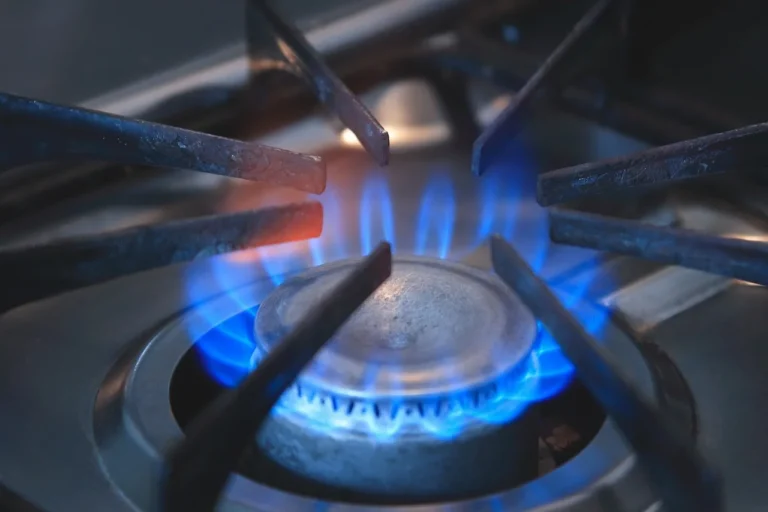
Choose a camp stove for car camping and group meals; choose a backpacking stove when low carried weight matters most. This comparison covers fuel, wind performance, cookware, and packed weight.
Use the fuel your stove is built for: canister stoves run on isobutane-propane or, with the right stove, 1 lb propane; liquid-fuel stoves use white gas.
A good family camp stove balances stable safety, enough cooking space for the whole meal, and controls you can use without fuss.