What temperature sleeping bag do I need?
Use a bag rated colder than the forecast low: 10°F for summer, 15°F for fall, 20°F for winter. Add 5°F if you sleep cold.

Sleeping bag temperature ratings explained, choosing a bag or pad for your sleeping style, and how to wash and store them.
Use a bag rated colder than the forecast low: 10°F for summer, 15°F for fall, 20°F for winter. Add 5°F if you sleep cold.
Choose a roomy mummy or spoon-shaped bag with extra hip and knee space and a full-length zipper. Includes top picks plus sizing and temperature advice.
Store a synthetic sleeping bag fully dry and loosely in a breathable sack or on a shelf to protect loft and limit mildew odor.
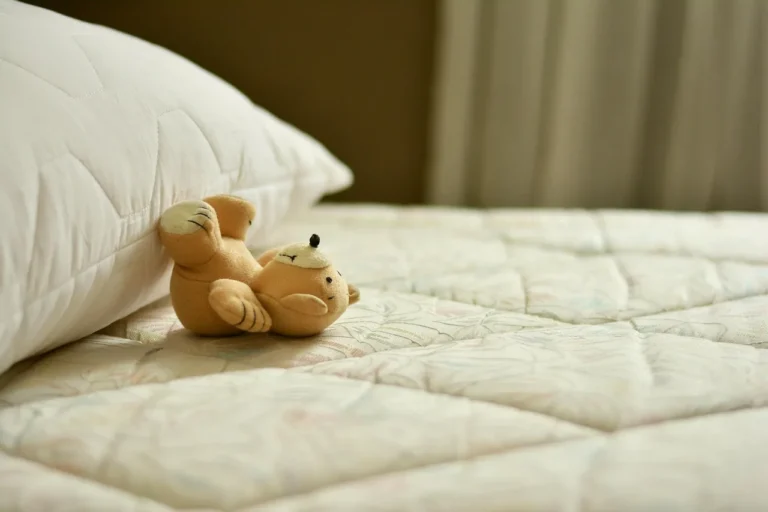
An air mattress is usually fine for one or two nights if it stays firm, but sagging can worsen back pain, stiffness, numbness, or sleep loss.
Wake cold, sweaty, sore, or restless in a sleeping bag? This guide maps each symptom to the likely cause, from poor warmth to a bad fit.
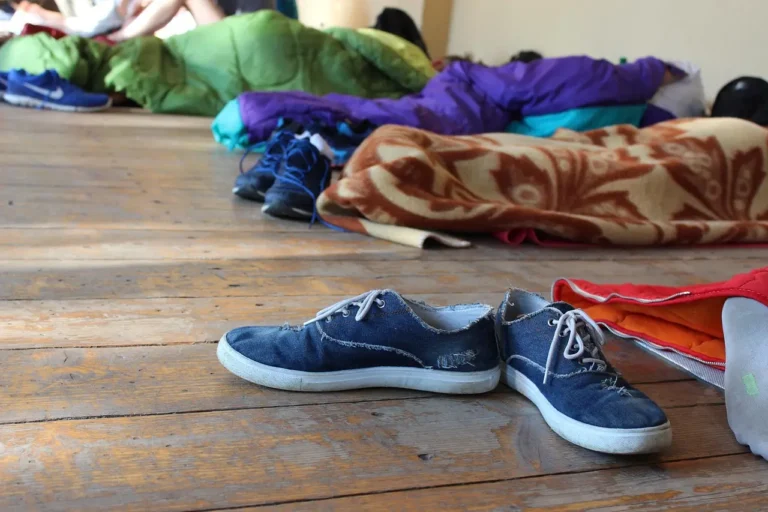
Choose a sleeping bag by its comfort rating, then adjust for pad R-value, weather, and whether you sleep cold.
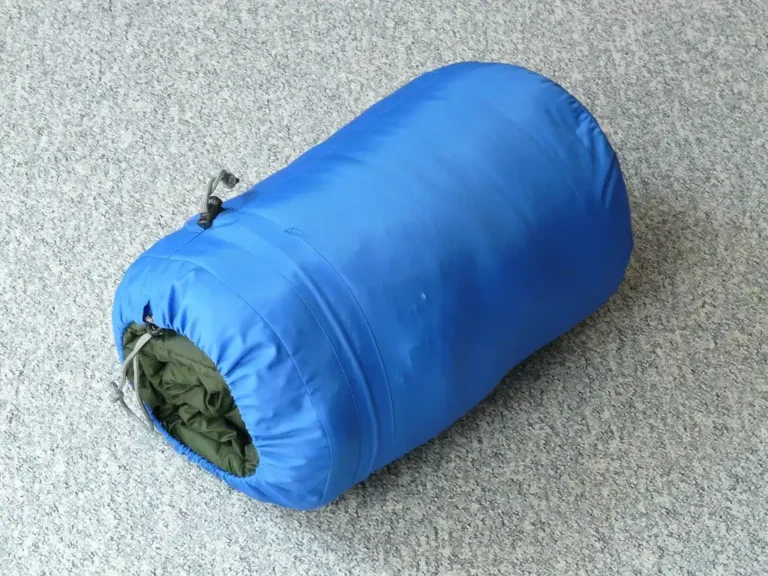
Proper sleeping bag storage matters because long-term compression, moisture, and dirt flatten loft, reducing warmth and comfort over time.
Choose a sleeping pad if you need warmth, low weight, and a small packed size; choose an air mattress if car camping comfort matters more than insulation.
Roomy shoulders, hips, and knees help side sleepers bend and roll without compressing loft or creating cold spots.
Store a down sleeping bag loose or hung, not compressed. This guide covers moisture checks, detergent residue, clumping fixes, and loft recovery.