When should you replace your RV sewer hose carrier?
Replace a sewer hose carrier when the tube, mount, or closure fails; repair only minor cap, latch, or fastener damage.

Useful RV and camper accessories: leveling blocks, kitchen and storage ideas, and must-have items for new owners.
Replace a sewer hose carrier when the tube, mount, or closure fails; repair only minor cap, latch, or fastener damage.
Heavy duty RV leveling blocks make sense for moderate correction and tandem axles; for small height changes, standard stackable blocks usually fit better.
Move the hose into a sealed container right away, then choose a ventilated bay, bin, or roof cradle if the bumper tube is full.
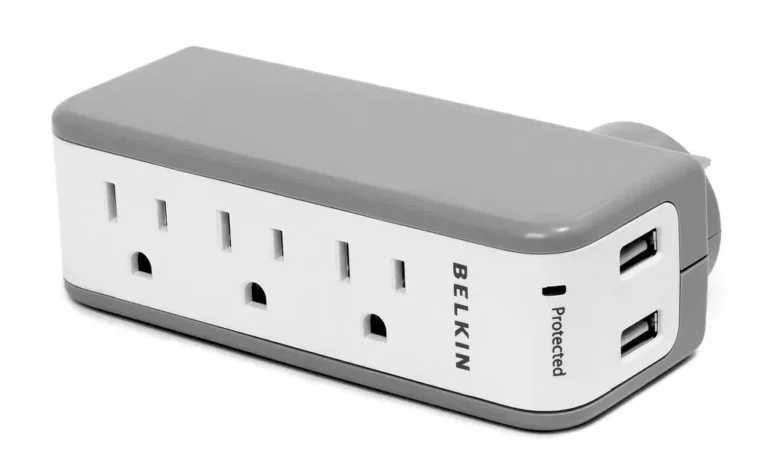
Use one on campground power, at minimum with low/high voltage, open neutral, and reverse-polarity protection. Covers when EMS protection is worth the upgrade.
Start with stackable, interlocking RV leveling blocks rated for your axle load. This guide compares top options by terrain, wheel setup, load rating, stack height, and setup speed.
For a 30-amp RV, choose a 30A protector with high joule capacity, correct wiring, low- and high-voltage shutdown, and open-neutral protection.
The best RV surge protector for 50 amp service is a true EMS with 50-amp compatibility, voltage monitoring, and automatic shutoff.
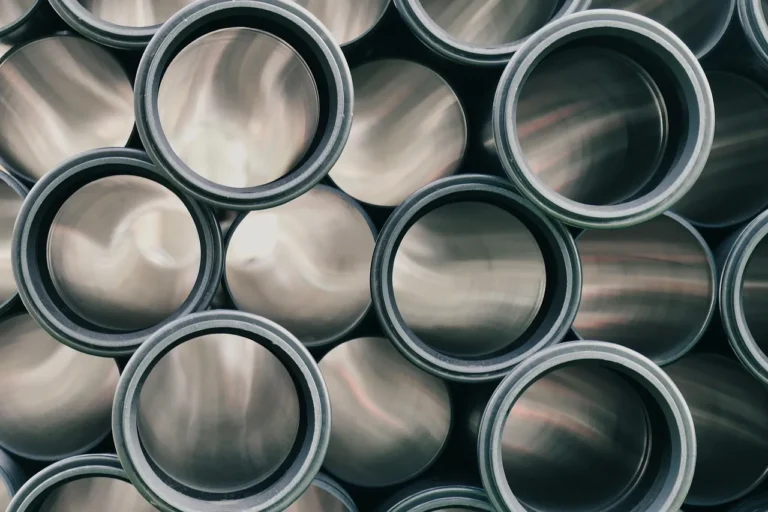
A storage tube is the better choice for most RV sewer hoses because it is cheaper, lighter, and simpler to mount; choose a box for fittings, gloves, and a cleaner enclosed setup.

Choose stackable interlocking blocks rated for your axle load, and use wedge ramps only for small corrections on firm ground.
Most RV sewer hoses fit a 4-inch inside-diameter tube that is hose length plus 2 to 4 inches for end caps and fittings; 5 inches suits bulkier elbows or two hoses.