Signs your camp cookware is unsafe to keep using

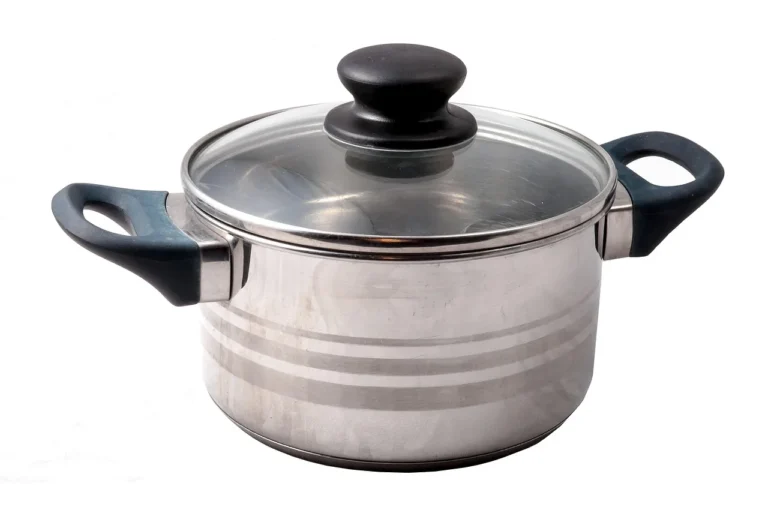
Replace camp cookware if any food-contact surface is flaking, pitted, cracked, or warped enough to prevent even heating, or if rust cannot be fully removed; cosmetic scratches alone are usually not a concern. Ignoring those failures can contaminate food, cause hot spots, or let a pan crack or collapse over the fire. This guide breaks down aluminum, stainless steel, cast iron, and nonstick surfaces so you can judge repairable wear versus replace-now damage.
What makes camp cookware unsafe?
Camp cookware is unsafe when it can no longer hold food without shedding material, leaking, wobbling, or creating sharp edges or exposed metal fragments. A product can also be unsafe even with no obvious defect if using it may injure a person, if foreseeable misuse is likely, or if it fails a mandatory safety standard.
For pots, pans, kettles, skillets, and Dutch ovens, the main food-contact risks are flaking coating, corrosion that has reached deep metal loss, cracked walls or bases, and loose hardware that can fail under heat or weight. If the damage changes how the item sits, heats, or holds food, treat it as more than cosmetic wear.
Food-contact risks to watch
- Flaking or peeling surface material that could get into food.
- Sharp edges, chips, or burrs at the rim, base, or handle mounts.
- Cracks that can widen under heat or when the pot is filled.
- Exposed substrate metal after coating loss or abrasion.
- Loose parts that can shift while lifting, pouring, or stirring.
When visible damage is enough to stop using it
Stop using the item if you can see a hole, a split seam, a lifted coating edge, a cracked weld, or a handle that moves more than a slight normal flex. Those are not cosmetic. They can turn into spills, cuts, or a sudden failure over a stove or campfire.
Check for recalls first
If you own a recalled product, stop using it immediately. Then contact the supplier listed on the recall notice for a repair, replacement or refund. Most recalls are led by suppliers, though some recalls are ordered by the Commonwealth Minister, so the recall notice may come from the brand or a regulator.
Do not wait to act. Check the ACCC Product Safety website, supplier recall notices, and the maker’s email, phone, or mail contact details. Consumers can also subscribe to email alerts for recalled consumer products, and unsafe products can be reported if they have injured someone or are unsafe.
- Find the product details. Note the brand, model, size, batch, and any marks on the base or handle. Those details matter because recall notices often apply to only one production run.
- Check official listings. Search the ACCC Product Safety website and any supplier notice for the exact product name. If the item is on a recall list, stop using it right away.
- Contact the supplier. Use the repair, replacement or refund path given in the notice. Put the cookware out of reach of children until the issue is resolved.
A common first-timer mistake is assuming a recalled pot is safe because it still looks fine. That is the wrong test. A recalled item may be unsafe without an obvious defect, and the recall process is meant to handle that risk before a failure reaches the campsite.
Signs your camp cookware needs replacing
Some damage can be cleaned, tightened, or re-seasoned. Replace the item when the damage affects stability, food contact, or the metal itself. Warped bases, loose attachments, corrosion that has eaten into the wall, and cracks are the clearest replace-now signs across most camp cookware types.
Warped bases and distorted lids
A base that rocks on a flat surface is a warning sign, especially on lightweight aluminum pans and kettles. Warping changes heat distribution, can leave food underheated in spots, and can make oil or liquid run to one side. If a lid no longer seats well after distortion, steam control and spill control are both worse.
Loose handles, rivets, screws, or welds
Handles should feel solid. If a handle wobbles, a rivet spins, a screw backs out, or a welded joint shows a crack, the item can drop food or scald your hand. Collapsible handles deserve the same check; if they do not lock firmly, treat them as unsafe until repaired or replaced.
Corrosion, rust, pinholes, and flaking metal
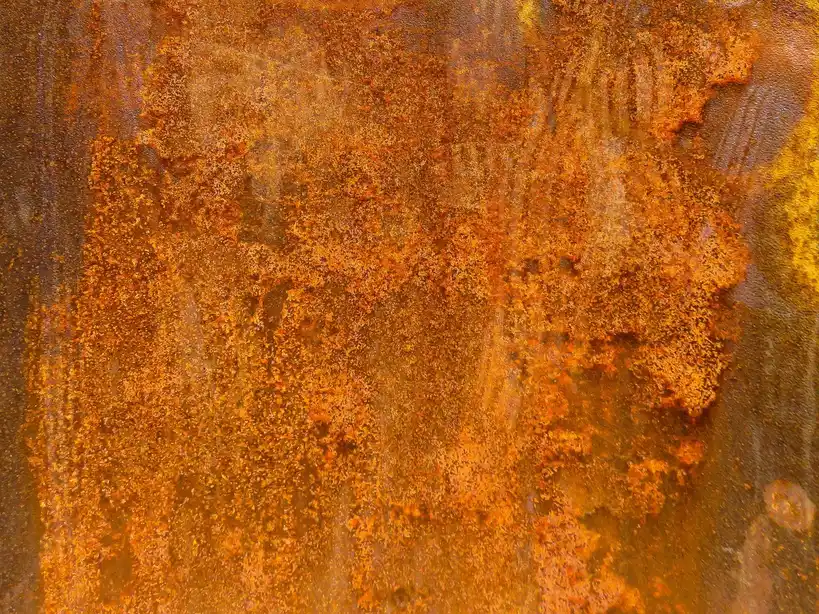
Surface rust or discoloration is not always a reason to discard the item. More serious damage such as deep corrosion, pinholes, thinning walls, or flaking metal is different. Once metal loss reaches the point where light shows through, liquid weeps, or the surface crumbles under cleaning, replacement is the safer call.
Sharp edges, cracks, and exposed substrate
Any sharp edge can cut fingers during packing or washing. Cracks near the rim, base, or handle mount can spread under heat. If a nonstick or coated pan has worn through to exposed substrate metal and the damage keeps growing, it is past the safe-use threshold for food contact.
Suppose a 2-liter aluminum saucepan rocks slightly on a flat kitchen counter, but the walls are intact and the handle is tight. That is a warning, not an automatic discard. If the same pot now has a pinhole near the lower wall, the decision changes to replace it.
When nonstick coating is no longer safe
Scratches alone do not always mean a nonstick pan must go. Replace it when the coating is peeling, flaking, or worn through to exposed substrate, or when the surface keeps degrading after cleaning. Food-contact safety depends on a stable cooking surface, not just a pan that still heats.
Scratches versus peeling and flaking
Light surface scratches are usually cosmetic if the coating still covers the pan and nothing lifts at the edges. Peeling or flaking is different because loose fragments can enter food and the damaged area tends to spread. Once a coating starts shedding, repair is not a realistic fix for most camp pans.
How much coating damage is too much?
A common rule of thumb is to replace the pan if bare substrate is visible in the cooking area, or if a rubbed edge sheds more material after normal washing. A few isolated scratches on the sidewall are less serious than active peeling on the cooking surface. Keep the item out of use if the damage is near the center, where food sits and heat concentrates.
Is rusty cast iron still safe?
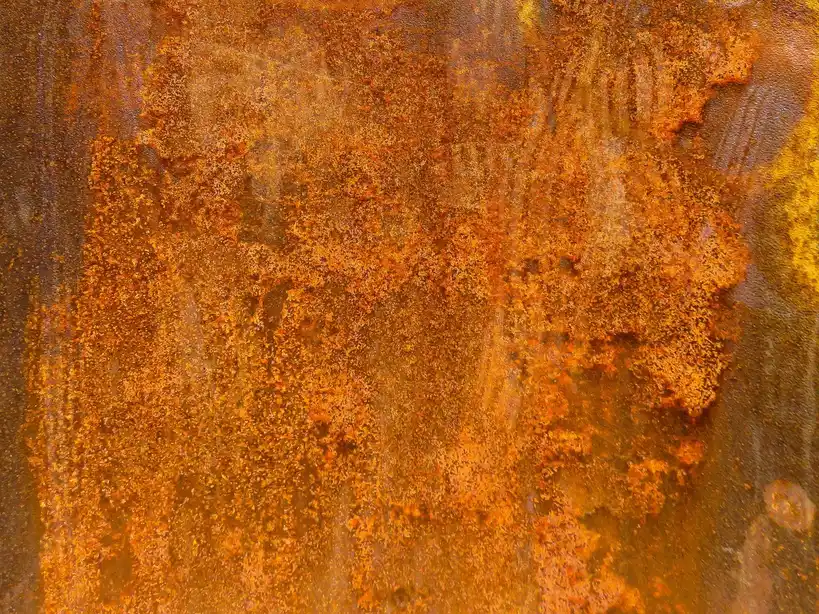
Rusty cast iron is often still usable if the problem is surface rust only and you can clean it back to solid metal. Re-seasoning can restore the cooking layer after light rust. Replace cast iron when rust has become deep corrosion, pitting, holes, or structural damage that weakens the pan or Dutch oven.
Surface rust that you can clean off
Orange film on the surface, especially after storage, is usually a cleaning issue. If scrubbing removes it and the metal underneath is still smooth and sound, the pan can often be dried and re-seasoned. The key test is whether the rust stops at the surface or keeps eating into the iron.
Deep corrosion, pitting, and structural damage
Pits that catch a fingernail, flaking sections, holes, or a cracked rim mean the iron has deteriorated beyond routine care. A heavily pitted pan can hold food residue and moisture, which speeds more rust. Structural damage in a Dutch oven lid or wall is a stronger reason to replace than seasoning loss alone.
When re-seasoning is enough
Re-season if the surface is intact, the rust is removable, and the cookware still sits flat and solid. That applies even after storage or damp transport. If the metal is still whole, seasoning can restore food-safe use better than replacing an otherwise sound pan.
Picture a cast iron skillet with a thin brown film after a wet trip home. If scrubbing with a nonmetal brush clears it and the cooking face stays smooth, re-seasoning is reasonable. If the same skillet has pits along the rim and a crack near the handle, it should leave service.
How to judge aluminum and stainless steel damage
Aluminum and stainless steel can look worn for a long time before they become unsafe, so the best test is whether the damage has reached the metal thickness, structure, or food-contact surface. Staining is usually cosmetic. Thinning, holes, stress cracks, and deep corrosion are the signs that matter.
Staining, corrosion, and discoloration
Heat tint, water marks, and ordinary discoloration are usually harmless if the surface remains smooth. Corrosion that raises rough patches, flakes, or pits is more serious. Cleanable surface staining is one thing; metal loss is another.
Thinning, holes, and stress cracks
Look for bright wear spots near the base, around rivets, and at fold lines on collapsible handles. If the wall feels much thinner in one area, the item may fail under heat or when filled. Holes and stress cracks are replace-now defects because they can leak suddenly and spread with use.
Cookware replacement decision table
Use this table when you need a quick call on a pot, pan, kettle, skillet, or Dutch oven. If more than one warning sign is present, choose the most serious row. When a recall applies, the recall decision comes first.
| Cookware type | Warning sign | Immediate risk | Temporary workaround | Replace/repair decision |
|---|---|---|---|---|
| Nonstick pan or kettle insert | Peeling, flaking, or exposed substrate | Food contamination and continued coating loss | Stop using for food; none for cooking duty | Replace the item |
| Nonstick skillet | Light surface scratches only | Low if coating is still intact | Use gently with nonmetal utensils | Keep using if the surface stays stable |
| Aluminum pot or pan | Warped base or rocking on a flat surface | Hot spots, spills, uneven heating | Use on a stable stove burner only, not over an open fire | Repair only if the cause is a loose handle; otherwise replace if distortion is severe |
| Stainless steel pot | Deep corrosion, thinning, or pinholes | Leaks and sudden wall failure | Do not use for liquid; none for food service | Replace the item |
| Cast iron skillet | Surface rust only | Low after cleaning | Scrub dry and re-season before use | Repair by cleaning and re-seasoning |
| Cast iron Dutch oven | Pitting, holes, or cracked lid seat | Food trapping, leaks, structural weakness | Do not rely on a lid seal for heat control | Replace the damaged part or the whole unit if the body is compromised |
| Any pot, pan, or kettle | Loose rivets, screws, welds, or collapsible handle | Drop risk, burns, spills | Do not lift when full; remove from service if movement continues | Repair if the maker supplies parts; otherwise replace |
Frequently asked questions
How do I know if my camp cookware is unsafe to keep using?
It is unsafe if food-contact surfaces are flaking, pitted, cracked, or exposed metal is shedding fragments. A loose handle, warped base, or sharp edge is also a problem if it can cause a spill or cut. If the item no longer cooks steadily or safely, stop using it.
When should I replace scratched nonstick camp cookware?
Replace it when scratches turn into peeling, flaking, or exposed substrate, or when the damage keeps spreading after washing. A few shallow scratches are usually cosmetic. Once the coating starts shedding into the cooking area, the pan has crossed from wear into unsafe deterioration.
Is warped camping cookware still safe to use?
Only if the warp is minor and does not cause rocking, spill risk, or poor lid fit. A warped base changes heat distribution and can make a pot unstable on a stove or grate. If the item cannot sit flat enough to cook evenly, replace it.
Do rusty cast iron pans need replacing or just re-seasoning?
Surface rust that scrubs off cleanly usually calls for drying and re-seasoning, not replacement. Deep corrosion, pitting, holes, or cracking means the iron has been damaged beyond routine care. If the pan still has solid metal and a sound shape, re-seasoning is often enough.
What should I do if my camp cookware is recalled?
Stop using it immediately, then contact the supplier for a repair, replacement or refund. Check official recall listings and supplier notices, and keep the item away from children until the issue is resolved. Do not wait for the cookware to fail before acting on the recall.
Should I stop using a cookware item as soon as I suspect a defect?
Yes, if the defect could affect food safety, stability, or heat handling. That includes cracks, loose hardware, flaking coating, or deep corrosion. If you are unsure, remove the item from service until you have checked the recall status and confirmed whether the damage is repairable.
How do I check whether a camping pot or pan has been recalled?
Match the brand, model, size, and batch details against official recall listings on the ACCC Product Safety website. Also check supplier notices and any direct email, phone, or mail contact from the maker. If the product appears on a recall notice, stop using it at once.
Can damaged camp cookware injure you even if it still works?
Yes. A pan can still heat food while hiding a defect that may injure you later, such as a loose handle, a crack that opens under load, or a coating that flakes into food. A working burner does not make a damaged cooking vessel safe.
If the issue is not clearly cosmetic, stop using the item until you can sort out repair, replacement, or refund. That is especially true for recalled cookware and anything with flaking material, unstable hardware, or a base that no longer sits flat.