Best backpack for hiking and travel: Versatile beginner choices
Choose a 30–40L backpack with a supportive hip belt and a torso-fit harness. Compare hiking comfort, travel access, and beginner-friendly pack sizes.

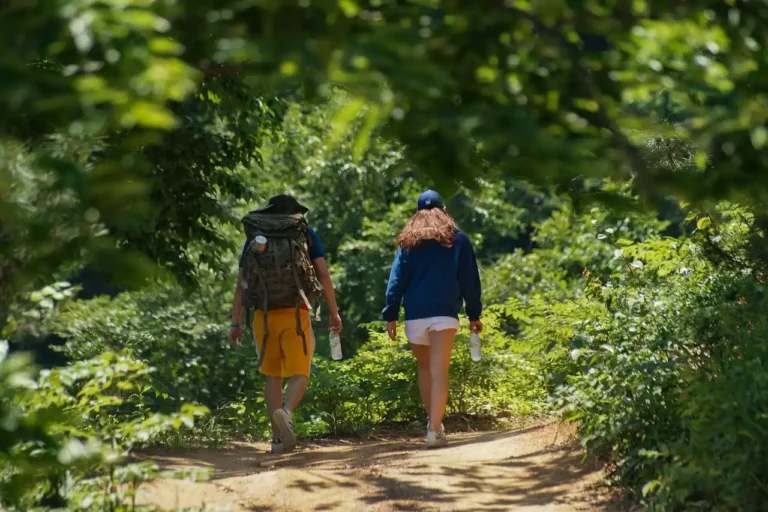
Choose a 30–40L backpack with a supportive hip belt and a torso-fit harness. Compare hiking comfort, travel access, and beginner-friendly pack sizes.
Heavy duty RV leveling blocks make sense for moderate correction and tandem axles; for small height changes, standard stackable blocks usually fit better.
Choose a 20-30L daypack for loads under 15 pounds or a 35-50L pack with a hip belt for short overnights. Includes beginner-friendly picks and fit advice.
Use a bag rated colder than the forecast low: 10°F for summer, 15°F for fall, 20°F for winter. Add 5°F if you sleep cold.
Dry bags keep individual items dry; pack liners protect the whole backpack. This guide explains how roll-top bags work and when to use them on hikes.
Move the hose into a sealed container right away, then choose a ventilated bay, bin, or roof cradle if the bumper tube is full.
Choose a roomy mummy or spoon-shaped bag with extra hip and knee space and a full-length zipper. Includes top picks plus sizing and temperature advice.
Choose cookware by trip type, heat source, and meal style. This guide covers materials, common pot and pan types, and the best uses for each.
RV water filters usually fall into sediment, carbon, and reverse osmosis types, with different placements for tank water and drinking water.
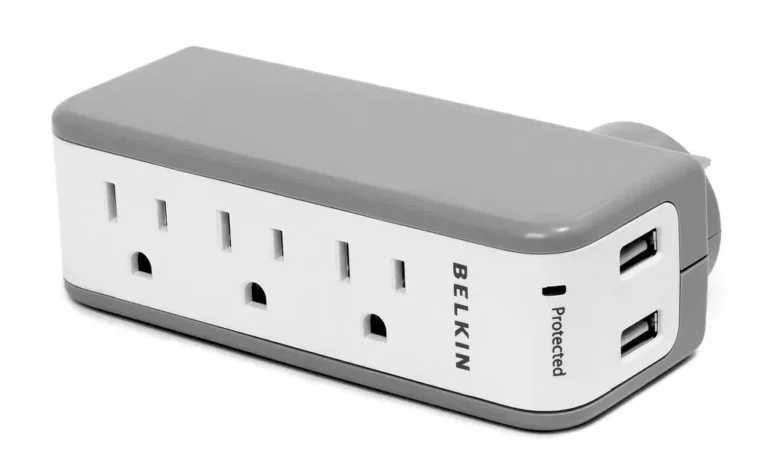
Use one on campground power, at minimum with low/high voltage, open neutral, and reverse-polarity protection. Covers when EMS protection is worth the upgrade.