How to clean a camp stove step-by-step
Clean a camp stove safely by disconnecting fuel, washing removable parts, wiping the body, and treating burners or jets the right way for each stove type.

Clean a camp stove safely by disconnecting fuel, washing removable parts, wiping the body, and treating burners or jets the right way for each stove type.
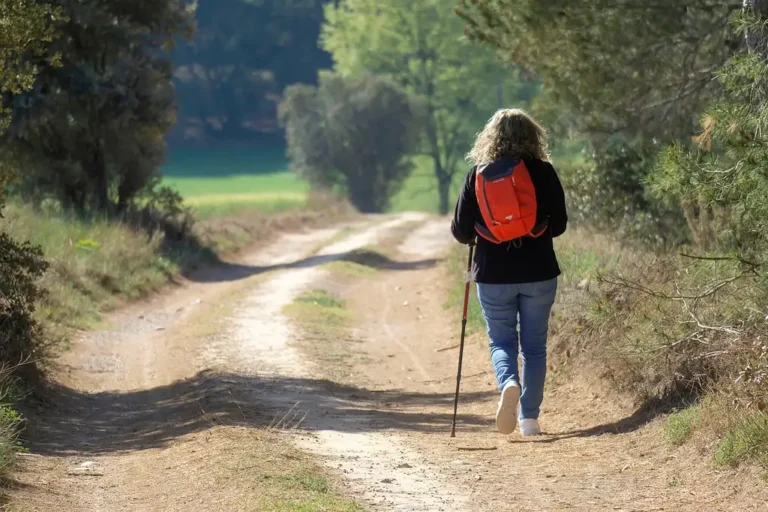
Use a 60–65 liter backpack with adjustable suspension, a supportive hip belt, and a 25–35 pound load range for a beginner long-distance hike.
Wake cold, sweaty, sore, or restless in a sleeping bag? This guide maps each symptom to the likely cause, from poor warmth to a bad fit.
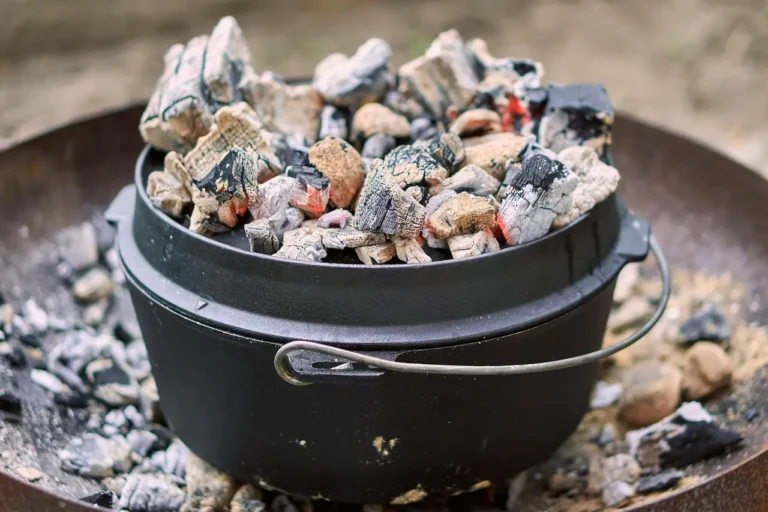
Clean a rusty cast iron camp oven safely, judge damage first, remove rust with the least abrasion, then dry and re-season it for reuse.
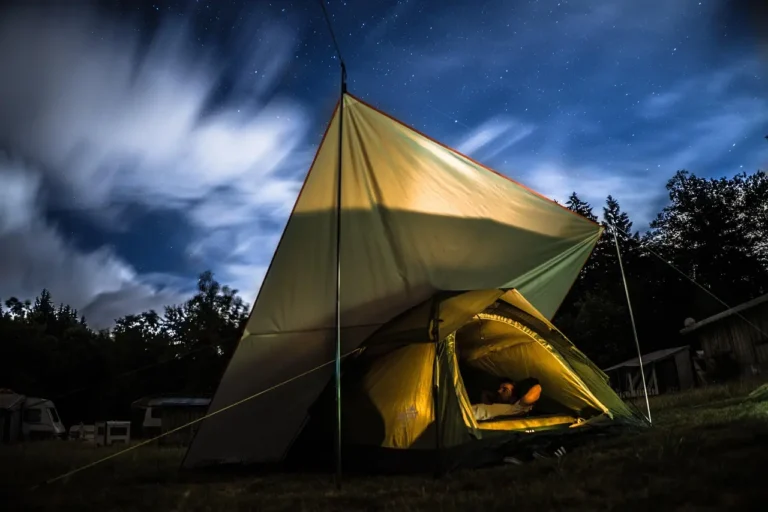
Clean a tent by brushing off grit, spot-washing with lukewarm water and non-detergent soap, then drying and storing it fully dry to avoid mildew and damage.
Clean a liquid-fuel camp stove in the right order: cool it, shut the valve, clear soot, flush the fuel line, then inspect jets, seals, and moisture before storage.
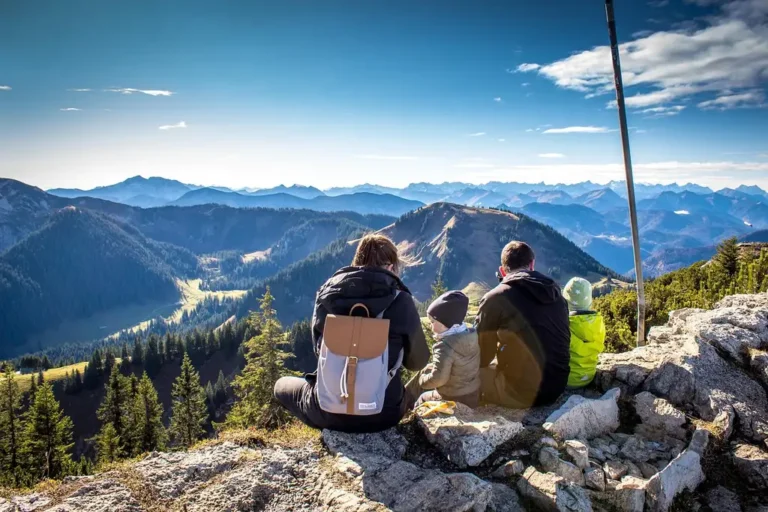
Choose a hiking backpack by torso length, hip size, and real gear volume. This guide covers sizing, frame types, load limits, and useful features.
Start with stackable, interlocking RV leveling blocks rated for your axle load. This guide compares top options by terrain, wheel setup, load rating, stack height, and setup speed.
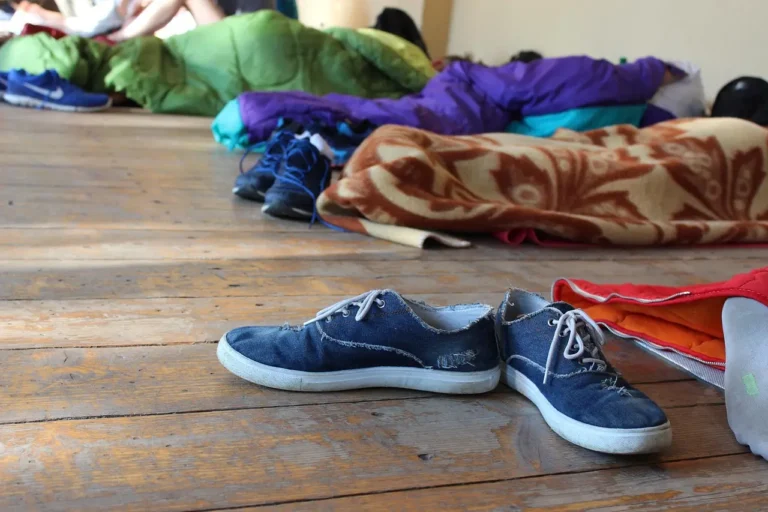
Choose a sleeping bag by its comfort rating, then adjust for pad R-value, weather, and whether you sleep cold.
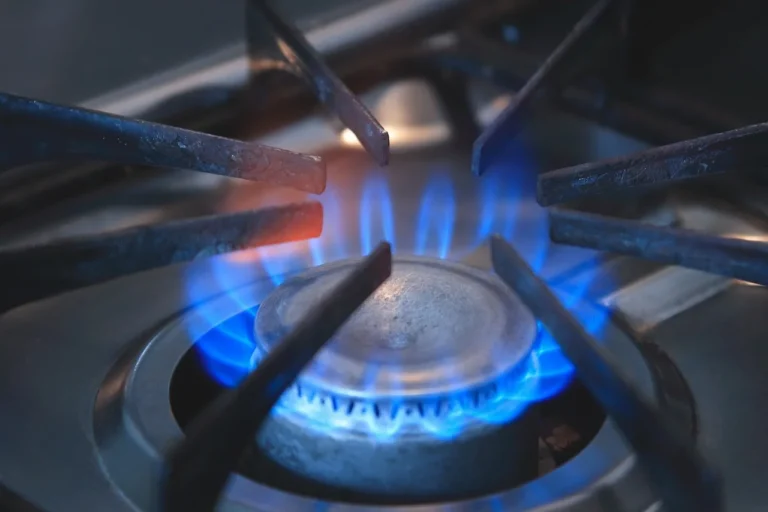
Choose a camp stove for car camping and group meals; choose a backpacking stove when low carried weight matters most. This comparison covers fuel, wind performance, cookware, and packed weight.