How to pack dirty camp cookware without contaminating gear
Keep dirty camp cookware in a separate, leakproof container with a clear clean-dirty split so grease, scraps, and moisture stay out of the rest of your gear.

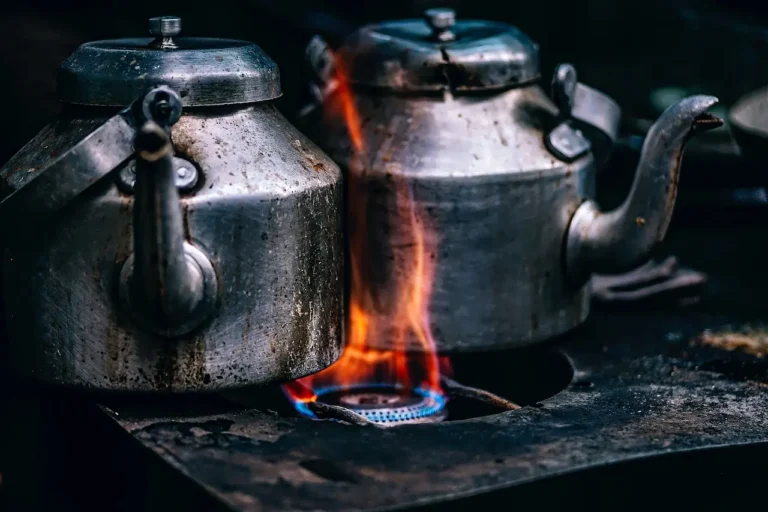
Keep dirty camp cookware in a separate, leakproof container with a clear clean-dirty split so grease, scraps, and moisture stay out of the rest of your gear.
Best camp cookware for families usually means a nesting set with a 5- to 8-quart pot, a 10- to 12-inch skillet, and durable materials sized for 4 to 6 campers.
Replace a sewer hose carrier when the tube, mount, or closure fails; repair only minor cap, latch, or fastener damage.
Avoid abrasive scrubbers, harsh detergents, and cold-water shocks on camp cookware; they scratch coatings, strip seasoning, and warp metal.

Test your backpack rain setup before a trip with a simple hose-and-pause check, then fix leaks by layer so gear stays dry.
Replace camp cookware when food-contact surfaces flake, pit, crack, warp, or rust through. Learn which damage is cosmetic and which means replace it.
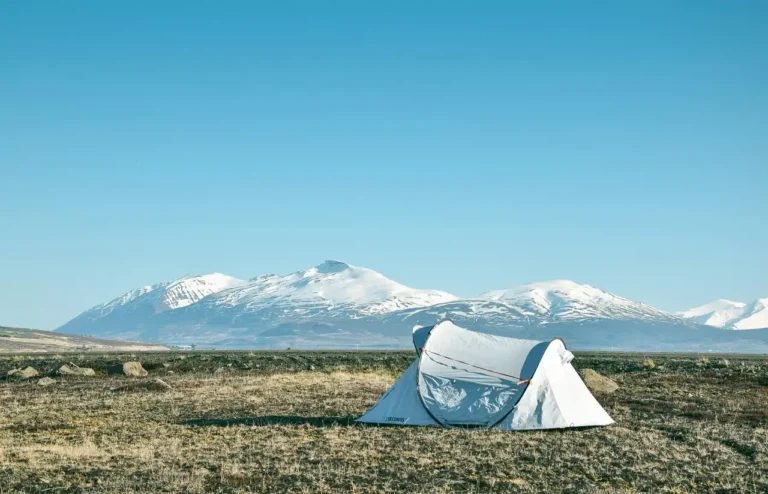
Tent condensation forms when humid air cools on the tent wall. Learn how to spot it, rule out leaks, and reduce moisture with better pitching and ventilation.
Cookware for kids should limit heat transfer, resist tipping, and be easy to grip, clean, and cover without spills.

Wetness on the inside after a cold night usually means condensation; growing wet spots in rain point to a leak. Learn the signs and the next fixes.
A compact two-burner tabletop camp stove fits most families with limited space, especially when you need a slim carry case and a small footprint.