What is a backpack rain cover and how does it work?

A backpack rain cover is a stretchy outer shell that sheds rain from the pack body. It works best in light to moderate rain, but wind-driven water, straps, and the back panel still get wet. Used alone, it can leave wet insulation, soaked food, and gear failure. This guide explains how covers work, where they fail, and how to pair them with liners or dry bags.
How the cover protects the pack exterior
A backpack rain cover is a waterproof outer shell that fits over the outside of a pack. It usually has an elastic perimeter, sometimes a drawcord, and it is meant to block rain, mud, and grit from the pack exterior. It protects the pack body first; it does not turn the whole pack into a sealed dry container.
Many covers use coated nylon or polyester, often in ripstop weave. Some premium covers use taped seams, which reduce leakage at seam lines. A cover with a durable water repellent finish helps water bead and roll off at first, but that finish wears down with dirt, abrasion, and repeated use.
Think of the cover as an outer shedding layer. It slows water entry and keeps the pack shell cleaner, but it leaves openings where straps, shoulder strap parts, and the pack’s back panel can still collect moisture.
How backpack rain covers work
A rain cover works by forcing water to move off the outside surface instead of soaking into the pack fabric. The coating helps droplets bead up, and the shaped fit keeps the cover close to the pack so runoff has fewer places to pool. That is the basic job: shed water before it reaches the pack body.
Water shedding on the outer shell
The outer surface is usually treated with a durable water repellent finish. Water beads and rolls off that surface until dirt, abrasion, or age reduces the effect. If the coating is still in good shape, the cover sheds light rain well and helps reduce grime from mud and grit.
Elastic rims and fit
The elastic perimeter keeps the cover wrapped around the pack opening and lower edges. A good fit matters because loose edges catch wind and leave gaps. Some covers also use a retention strap or a shoulder strap clip to keep the cover from sliding upward or blowing loose.
Where water still gets
A cover does not seal every path. Water can travel through shoulder strap gaps, run down the back panel behind the cover, or collect at the bottom if the cover sags. In steady rain, those weak points matter more than the fabric itself.
A 40-50L pack may need a larger rain cover if it carries exterior gear such as a tent on the side or a foam sleeping pad on top. A cover sized only for the bare pack may leave the attachments exposed, so runoff can enter where the cover stops short. One size larger is often the better fit when exterior gear changes the pack shape.
Backpack rain cover failure points
Rain covers fail in predictable places. The issue is usually not one hole; it is a set of water paths that bypass the cover’s best surface. Shoulder strap gaps, back panel run-off, bottom pooling, and wind lift cause most of the problems hikers notice in real use.
Shoulder strap gaps
The shoulder straps leave open channels near the top and sides of the pack. In wind-driven rain, water can slip through those openings and wet the back panel or the top of the load. If the cover does not pull tight around the strap area, those gaps become an easy entry point.
Back panel run-off and bottom pooling
Water often runs down the hiker’s back and the uncovered part of the straps, then slips under the rear edge of the cover. At the bottom, water can pool if the pack sits low or if the cover is too large and sags. That pooled water can work past seams and edge folds.
Wind lift and slip-off
Elastic-only covers can shift in gusts, especially on taller packs or when the cover is sized too large. A retention strap or shoulder strap clip is worth it when wind is steady, exposure is open, or the route includes exposed ridgelines. If the cover rides up, it loses the fit that keeps water out.
How to read waterproof ratings
Waterproof ratings in millimeters measure how much water pressure a fabric can resist before water pushes through. Higher numbers generally mean better resistance under pressure, but they do not guarantee real-world protection by themselves. Seam construction, fit, and wind exposure all matter too.
5000mm vs 10000mm vs 12000mm
A 5000mm rating is enough for some light to moderate rain uses, but it gives less margin when water pressure builds at seams or pooled edges. A 10,000 mm coating generally offers more resistance than a 5000 mm rating, and one cover on the market is said to handle up to about 12,000 mm of water pressure. Those numbers help compare materials, not predict every storm outcome.
One comparison lists a 10,000 mm waterproof coating, while another cover claims a 5000mm waterproof coefficient. A premium-style cover may also use taped seams and a full wrap-around cinch attachment, which can matter as much as the coating number in rough weather.
Why ratings are only part of the story
A cover with a strong rating can still leak if the fit is poor or if rain is driven under the edges. A lower-rated cover may work acceptably in short showers if it fits tightly and has good seam treatment. Use the rating as one clue, not the whole decision.
Rain cover sizing and fit
Choose size by the pack’s loaded volume in liters, not just the empty pack label. The cover must match the pack’s real shape when filled, because bulky exterior gear changes the outline and exposes more surface area. A cover that is too small leaves the bottom or top uncovered; one that is too large can flap and slip.
Match liters to pack volume
Manufacturers often list size ranges such as 15-25L, 30-40L, 40-50L, or broader spans like 15L to 90L. An Osprey Hi-Visibility cover fits 10-35L packs, while another cover fits 15-25L backpacks. A review notes five sizes spanning roughly 15L to 90L.
Account for external gear
Sleeping pads, tent poles, side pockets, and lashed-on shelter parts change the pack profile. That matters because a cover that fits the internal volume may still miss the wider, taller loaded shape. If your pack carries bulky exterior gear, one size up is often the safer choice.
Picture a 30L daypack with a jacket, food, and a sleeping pad strapped outside for an overnight route. The bare pack might fit a 30-40L cover, but the outside load can push the shape past that range. In that case, the larger cover usually seals better around the lower edges.
Backpack rain cover failure checklist
| Weather condition | Likely failure point | Symptom | Best backup layer |
|---|---|---|---|
| Light rain | Edge gaps at the elastic rim | Small damp spots near the top or sides | Pack liner |
| Steady rain | Back panel run-off and lower seam seepage | Moist back panel, damp insulation, wet food packaging | Pack liner |
| Wind-driven rain | Shoulder strap gaps and wind lift | Water enters from the strap side; cover shifts | Dry bag |
| Brush contact | Cover snagging or rolling back | Exposed fabric after a scrape through alder, pine, or rock | Dry bag |
| Heavy downpour | Bottom pooling and seam pressure | Water under the cover and wet contents near the base | Dry bag |
| Internal protection only: pack liner | Top opening if not sealed correctly | Contents stay dry unless the liner is punctured or left open | Use with a rain cover for outer shedding |
| Internal protection only: dry bag | Improper closure or overstuffing | Specific items stay dry even if the pack exterior is soaked | Use for electronics, sleeping bag, and spare layers |
Rain cover vs pack liner vs dry bag
A rain cover protects the pack exterior. A pack liner protects the main compartment from the inside. A dry bag gives the strongest internal protection for specific items. The best choice depends on whether you are trying to keep the pack shell clean, keep the whole load dry, or protect a few critical items.
When a pack liner is enough
A pack liner is usually enough for steady rain if your main goal is keeping the contents dry. It works well because it creates an internal waterproof barrier inside the pack. If the outer pack gets wet, the liner still shields clothing and sleep gear inside the main compartment.
When a dry bag is better
A dry bag is the better backup for electronics, a sleeping bag, or any item that cannot get wet. It adds weight and cost, but it gives the most direct protection for the things that matter most. For multi-day trips in sustained wet weather, dry bags are often the safer choice for the most sensitive gear.
How to combine layers for wet trips
For many hikers, the practical setup is simple: use a rain cover outside, then a pack liner or dry bag inside. The cover sheds the first layer of water and dirt; the liner or dry bags protect the contents if the outside gets past the cover. That separation matters when wind or long exposure pushes water into weak points.
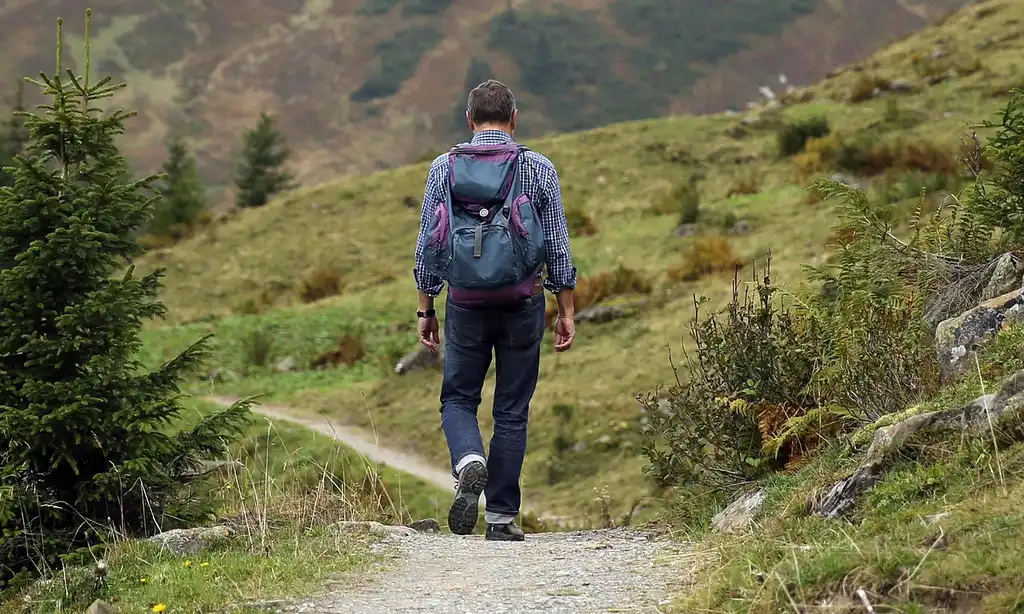
Use the rain cover as the outer defense, not the only one. Fit it tightly, secure it against wind, and keep valuables in an internal barrier. That approach gives you protection at the pack shell and protection at the contents, which is more reliable than relying on one layer alone.
Use the cover correctly
- Choose a size that matches the loaded pack volume.
- Pull the elastic edge fully under the pack body.
- Center the cover so the back panel and lower corners are covered.
- Check that straps do not create open channels at the sides.
Secure it against wind
If the route is exposed, use a cover with a retention strap or shoulder strap clip. A full wrap-around cinch attachment gives more hold than elastic alone. This matters most in open terrain, on ridges, and during gusty weather where a loose cover can shift or peel back.
Protect valuables inside the pack
Put electronics, sleep gear, and other critical items in dry bags or a sealed pack liner. That way, even if the cover leaks at the shoulder straps or bottom edge, the most important gear still has a second barrier. For longer wet stretches, that backup is the part that saves the trip.
A common first-timer mistake is relying on a bright, high-visibility cover and assuming it is also the best waterproof solution. Visibility helps roadside hikes, dusk starts, and low-light emergencies, and some covers include a blinker light attachment. It does not replace an internal barrier for gear that must stay dry.
Frequently asked questions
What is a backpack rain cover?
A backpack rain cover is an outer shell that slips over a pack to shed water, mud, and grit. It usually uses elastic edges or cinch-style closures to stay in place. It helps protect the pack exterior, but it does not seal every opening or make the pack fully waterproof.
How does a backpack rain cover work?
The cover works by making water bead on the outer surface and run off before it can soak the pack fabric. Fit matters as much as fabric, because a snug cover leaves fewer routes for water to enter. The weak spots are usually the straps, back panel, and lower edge.
Do backpack rain covers work in heavy rain?
They help, but heavy rain exposes their limits. Wind-driven spray, seam pressure, and bottom pooling can defeat even a good cover if it is loose or poorly matched to the pack. For heavy rain, pair the cover with a pack liner or dry bag for the items you cannot afford to wet.
Are backpack rain covers waterproof or just water resistant?
Many covers are made with waterproof-coated fabric, and some use taped seams, but that does not mean the whole system is fully waterproof. In practice, they are best treated as an outer shedding layer. Water can still enter through fit gaps, strap openings, and the bottom edge in rough weather.
How do I stop a rain cover from blowing off in wind?
Choose a model with a retention strap or shoulder strap clip, and size it so it sits close to the loaded pack. Elastic-only covers can slip in gusts, especially if they are oversized. A cover with a full wrap-around cinch or similar attachment holds better when the wind picks up.
How do I choose the right size rain cover for my hiking backpack?
Start with the pack’s loaded liters, then add room for external gear that changes the shape. A 15-25L, 30-40L, or 40-50L range can work well if the pack is packed normally, but tents, pads, and side-mounted items often push you to one size larger. Fit should stay snug, not tight enough to strain seams.
Can I use a rain cover instead of a dry bag?
Not for the items that must stay dry. A rain cover protects the outside of the pack, while a dry bag protects a specific item from the inside. For electronics, a sleeping bag, or a long wet trip, the dry bag is the better choice. The safest setup is often both layers together.