What to pack in a hiking backpack for a day hike
Pack one liter of water per 2 hours, plus food, navigation, sun protection, insulation, first aid, headlamp, and a charged phone.

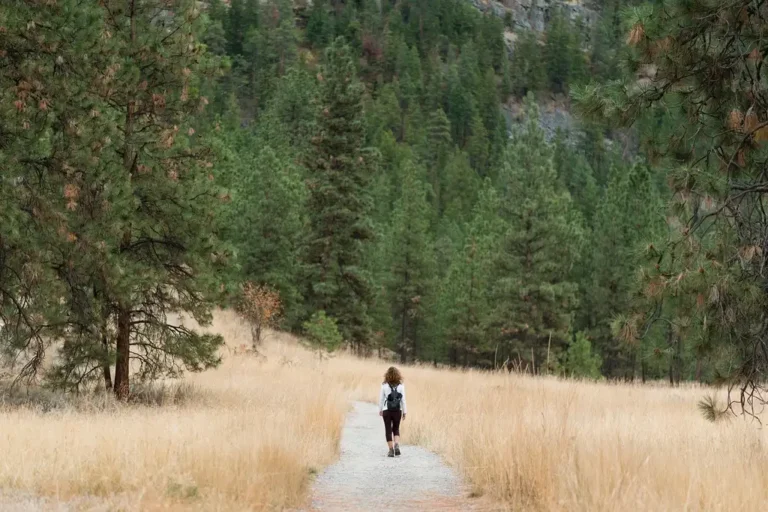
Pack one liter of water per 2 hours, plus food, navigation, sun protection, insulation, first aid, headlamp, and a charged phone.

A storage tube is the better choice for most RV sewer hoses because it is cheaper, lighter, and simpler to mount; choose a box for fittings, gloves, and a cleaner enclosed setup.

Clean and lubricate the zipper teeth first; if the zipper still separates, pinch the slider slightly. If that fails, replace the slider or zipper.
Store a down sleeping bag loose or hung, not compressed. This guide covers moisture checks, detergent residue, clumping fixes, and loft recovery.
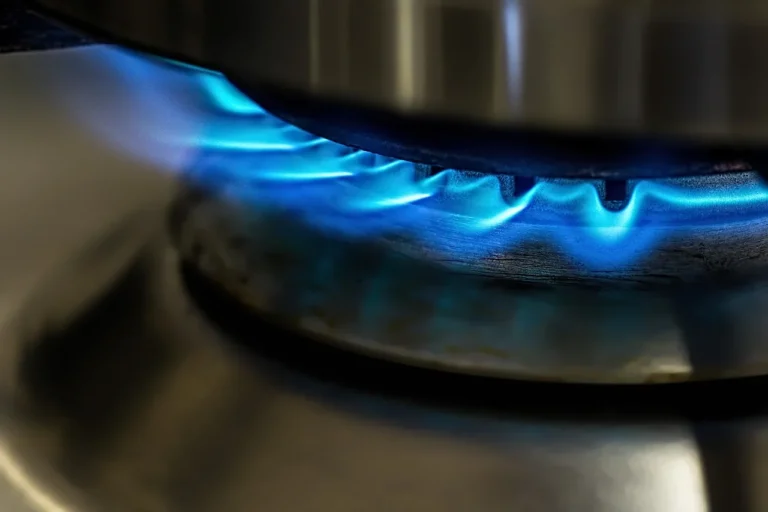
Choose camp stove fuel by temperature, trip length, resupply access, and stove compatibility. Match canister, white gas, alcohol, or wood fuel to the trip.
A 20L hiking backpack fits most short trail days with water, snacks, and a shell. Use the quick picks to compare 12L and 20L options.
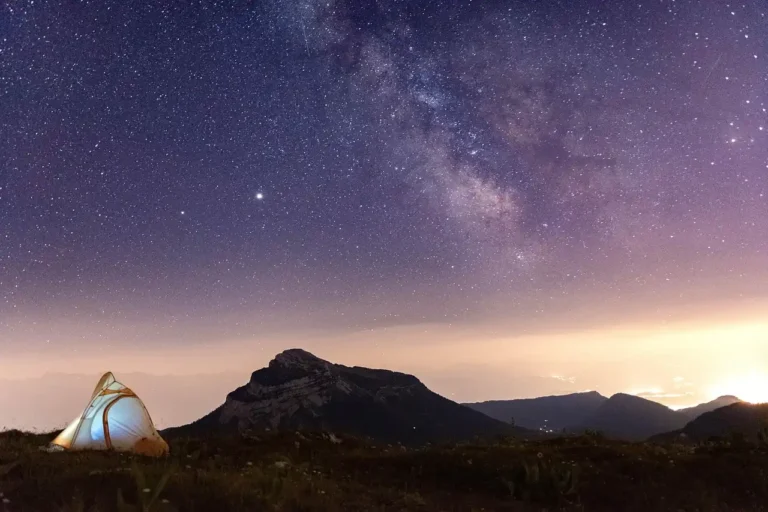
Sleeping pads suit backpacking, air mattresses suit car camping, and cots give firm off-ground support. Compare comfort, warmth, packability, and setup.
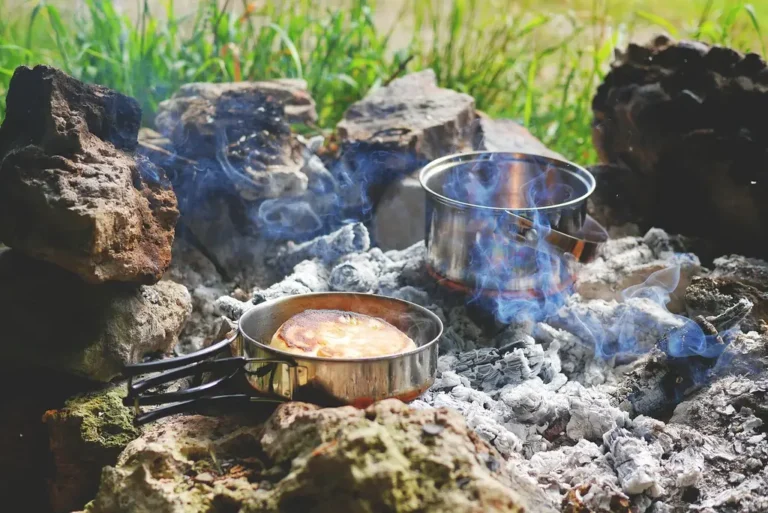
Choose camp cookware by meal style, pot size, pan size, material, and nesting layout for a family of four or more.

Keep one vent open, limit cooking and wet gear inside, and pitch on dry ground so warm moist air can escape before it condenses on tent fabric.

Measure your torso from C7 to the iliac crest, then measure hip size at the iliac crest to choose the right pack size and hip belt fit.