Sleeping bag temperature rating explained: How to choose
Choose a sleeping bag by its comfort rating, then adjust for pad R-value, weather, and whether you sleep cold.

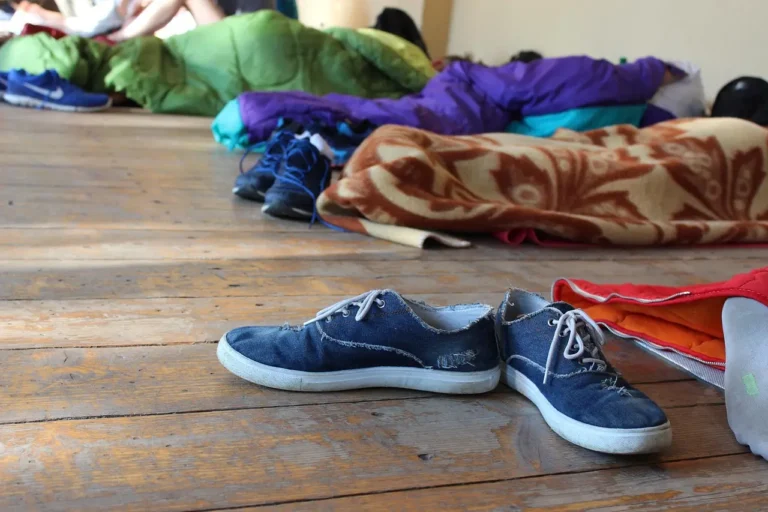
Choose a sleeping bag by its comfort rating, then adjust for pad R-value, weather, and whether you sleep cold.
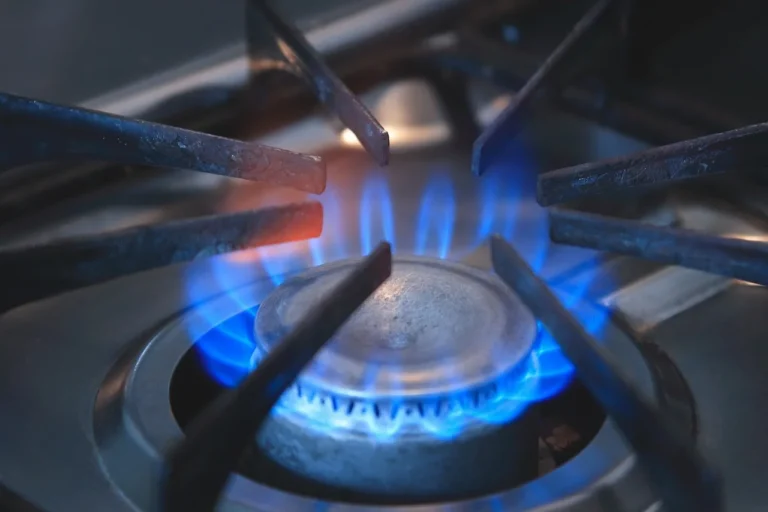
Choose a camp stove for car camping and group meals; choose a backpacking stove when low carried weight matters most. This comparison covers fuel, wind performance, cookware, and packed weight.
Patch holes and leaking seams first, then restore water repellency only when the fabric still has a sound coating. Includes fabric ID, sealing, patching, and recoating.
A backpack rain cover sheds rain from the pack body, but straps, the back panel, and exposed gear can still get wet in wind-driven rain.
For a 30-amp RV, choose a 30A protector with high joule capacity, correct wiring, low- and high-voltage shutdown, and open-neutral protection.
A tent zipper that splits usually points to a worn slider, damaged teeth, or tension on the tent body. Learn how to identify the fault and fix it.
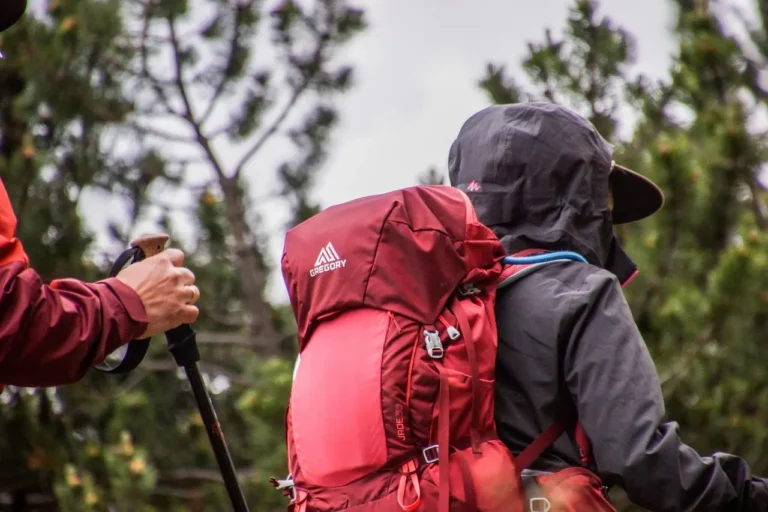
Use three pack zones: heavy gear near your back, medium gear around it, and light gear on top and outside for easier trail access.
Use the fuel your stove is built for: canister stoves run on isobutane-propane or, with the right stove, 1 lb propane; liquid-fuel stoves use white gas.
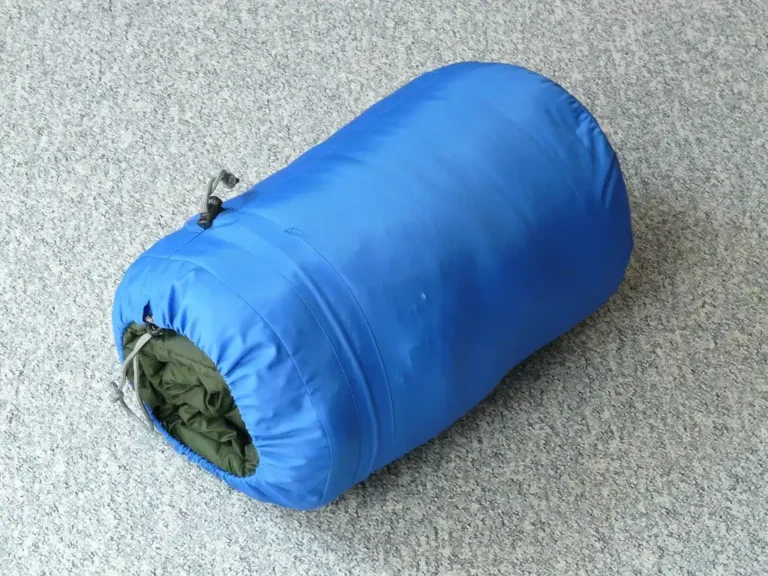
Proper sleeping bag storage matters because long-term compression, moisture, and dirt flatten loft, reducing warmth and comfort over time.
Choose a sleeping pad if you need warmth, low weight, and a small packed size; choose an air mattress if car camping comfort matters more than insulation.