How to choose camp cookware for a family of four or more

For a family of four or more, size camp cookware around the slowest meal cooked most often: one pot for boil-and-simmer, or about a 2- to 3-quart pot plus a 10- to 12-inch pan for mixed meals. Buy too much, and you pay in weight, clutter, and pieces that never fit the way your group actually cooks. This guide covers size, material, nesting layout, and the buying choices that matter most before you spend.
Match cookware to your camp meal style
Start with the meal style you actually cook at camp. If most dinners are one-pot pasta, chili, or soup, you need a different layout than a family that does eggs, coffee, and bacon at breakfast, or one that cooks a full dinner with a side dish and sauce. Size the kit to the slowest meal, not the biggest marketing claim.
Start with the meal style you actually cook
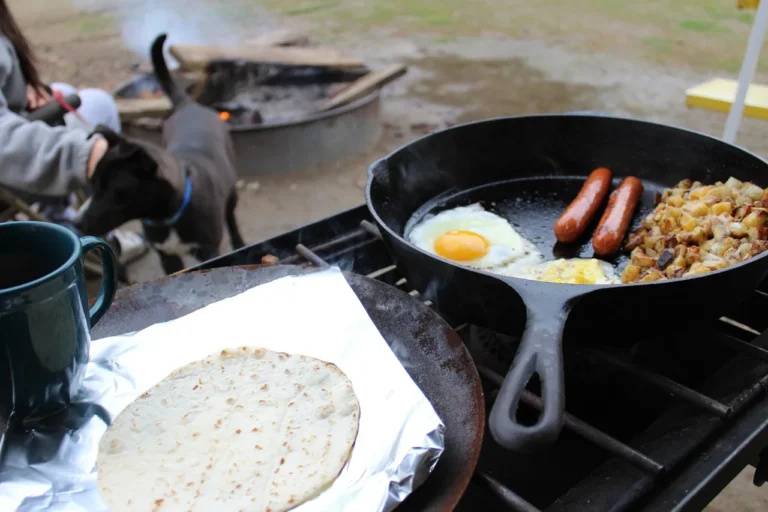
One-pot meals call for a larger pot and fewer pieces. Mixed meals usually work better with two vessels: one pot for boiling or simmering, plus a pan for browning, eggs, or quick sautéing. Full multi-course cooking needs enough surface area and enough servingware that one pan is not doing every job.
Decide whether one pot, two pots, or a pot-and-pan combo makes sense
One big pot is simple, but it can bottleneck breakfast and cleanup if your family needs coffee, oatmeal, and eggs at the same time. Two smaller pots plus a pan often cook more efficiently for four to six people because you can split tasks. A modular setup also lets you leave unused pieces at home.
Family camp cookware fit table
| Meal style | Recommended pot and pan capacities | Minimum place settings | Packing weight target | Car camping | Campground | Light carry |
|---|---|---|---|---|---|---|
| One-pot dinners | 2- to 3-quart pot; 2.6-quart sauté pan if you want one flat cooking surface | 4 place settings | Up to about 2.5 to 4 kg is workable for car camping; lower is better if you carry it far | Yes | Yes | No |
| Breakfast + coffee | 1.6L kettle for water; 2-liter pot or small skillet for eggs or oatmeal | 4 to 6 place settings if everyone eats at once | Compact nested kits are easier to load and unload each morning | Yes | Yes | Maybe |
| Full multi-course camp meals | 3-quart pot plus 2.6-quart sauté pan; 5.6-quart stockpot if you want larger batches for 4 to 6 people | At least 4 place settings, often 6 if kids spill or want seconds | Heavier sets are acceptable for vehicle-based trips if storage space is available | Yes | Yes | No |
What the sizes mean at the table
A 1.6L kettle is for boiling water, not making dinner. A 2-liter pot suits smaller family boils, side dishes, or reheating. A 3-liter pot gives more room for pasta, rice, or soup for four to six people. A 5.6-quart stockpot is a larger-family option when extra headroom for volume, stirring, and less spill risk is wanted.
Say your family cooks pasta with sauce and a vegetable every night. A 3-liter pot can handle boiling water, but a 5.6-quart stockpot gives more margin for a rolling boil and draining without crowding the rim. That matters when kids are helping and the stove area is tight.
Which cookware material fits your trip?
For family camping, the material should match your trip type and cleanup tolerance. Stainless steel is durable, rust and corrosion resistant, heavier than aluminum, and a good fit for campfire-compatible cooking. Anodized aluminum is lighter and spreads heat well, but it can dent more easily. Non-stick cleans up faster, though the coating needs more care.
Stainless steel for durability and campfire use
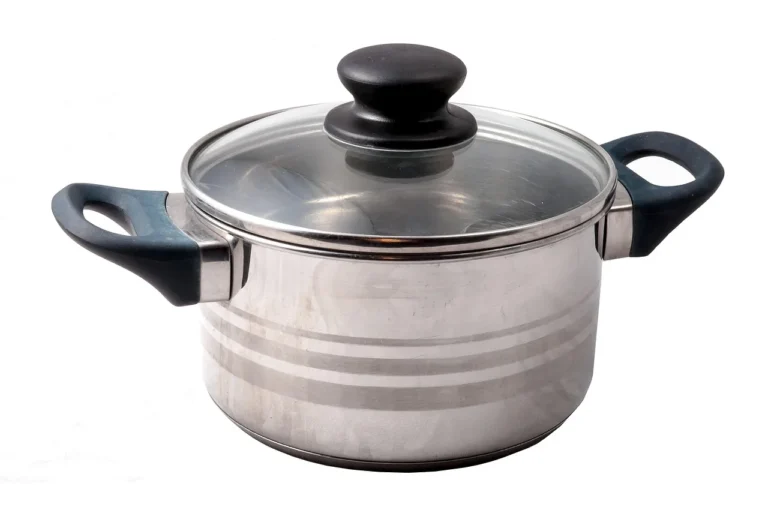
Stainless steel makes sense when the kit needs to survive repeated packing, kid handling, and heat from a gas stove or campfire. It is heavier than aluminum, but that weight buys durability and better tolerance for rough use. If your family cooks from the tailgate or at a campground picnic table, that tradeoff can be worth it.
Anodized aluminum for lighter family kits
Anodized aluminum works well when you want a lighter set that still heats evenly. It is common in compact family sets and nesting kits. The main tradeoff is that it can dent more easily, so it suits organized packing and calmer storage better than loose, overstuffed bins.
Non-stick for easier cleanup, with coating limits
Non-stick coating is the easiest route for quick cleanup after scrambled eggs, pancakes, or saucy meals. The downside is wear. Coatings can scratch or degrade faster if you stack pieces loosely, use metal utensils, or pack the pan with hard edges rubbing against it. That matters more in family kits than in solo kits.
A common first-timer mistake is choosing a non-stick pan for every piece. That can work for easy-clean breakfasts, but it becomes less attractive if your family cooks over open heat, stacks gear tightly, or wants a set that will last through frequent trips. A mixed kit is often more practical: stainless steel for the tough pieces, non-stick for one pan.
What size cookware do four to six campers need?
Four to six campers usually need more than solo or couple-size cookware, but they do not always need the largest set on the shelf. For this group size, the practical sweet spot is often a 2- to 3-quart pot, a 1.6L kettle for hot drinks, and a pan large enough for eggs, vegetables, or a quick sauté. Choose the largest piece based on the meal you cook most slowly.
How 1.6L, 2L, and 3L sizes differ
A 1.6L kettle is for water only. A 2-liter pot is useful for smaller batches, side dishes, and quick boils. A 3-liter pot is often a good all-around size for four campers when dinner includes pasta, soup, or rice. For six people, the 3-liter pot still works if the rest of the meal is simple, but it can feel tight for large servings.
When a 2.6-quart sauté pan helps more than another pot
A 2.6-quart sauté pan is useful when a wider cooking surface is needed instead of more depth. It helps with browning meat, frying eggs, or cooking vegetables evenly. For family meals, that wide surface can reduce crowding and improve speed. It also gives you another heat-safe vessel when two burners are in use.
When a 5.6-quart stockpot makes sense
A 5.6-quart stockpot is a better fit when your family cooks large one-pot meals, wants leftovers, or needs extra room for stirring. Gerber ComplEAT includes a 5.6-quart stockpot and a 2.6-quart deep sauté pan, and the set is measured at 3.88 kg, or 8.56 lbs. That kind of capacity fits vehicle-based trips more naturally than light carry trips.
Packability features that matter most
Packability is not a bonus feature for family camping. It controls whether the cookware fits with food, water jugs, and kid gear. The main space-saving features are nesting design, folding or detachable handles, and a carry bag or zippered case that keeps lids and small parts from scattering.
Nesting pots and stackable lids
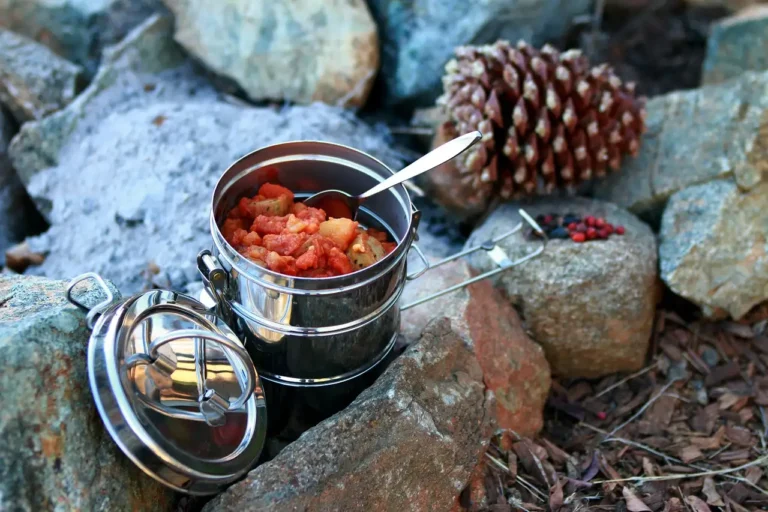
Nesting design saves space by letting pots and pans fit inside each other. Handles that fold down help the set shrink further. Stackable lids matter too, because loose lids create noise and waste room. This is why compact family sets often use anodized aluminum or mixed materials that stack well.
Detachable or folding handles
Detachable or folding handles improve packability and can make handling safer around heat if they are heat-resistant and secure. Chancescook specifically notes that foldable handles should be safe and heat-resistant. Check that the handle locks firmly and does not wobble, because unstable hardware becomes a problem fast when a pan is full.
Carry bags, zippered cases, and storage after washing
A storage bag or zippered case keeps the set organized in the vehicle and keeps dirty pieces separate from food. For families, that matters because clean and dirty items often move through the same bin. A good case also shortens setup time at camp and makes it easier to find lids, strainer inserts, and cups.
Can it work on your stove or fire?
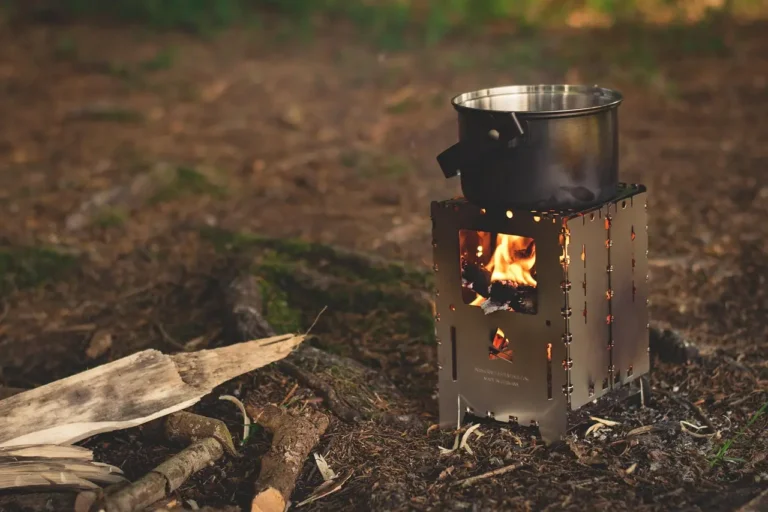
Check heat-source compatibility before you buy. A family set should work on a gas stove or portable burner, and it should only go on a campfire or wood fire if the maker allows it. The base also needs to sit flat and stable so the pot does not rock, warp, or tip under a full load.
Gas stove and portable burner compatibility
Most family campers use a gas stove or portable burner, so a flat, stable base matters more than dramatic heat claims. If the pot rocks, heats unevenly, or leaves part of the base unsupported, cooking becomes slower and riskier. That is especially true with larger pots filled with water or soup.
Campfire and wood fire limits
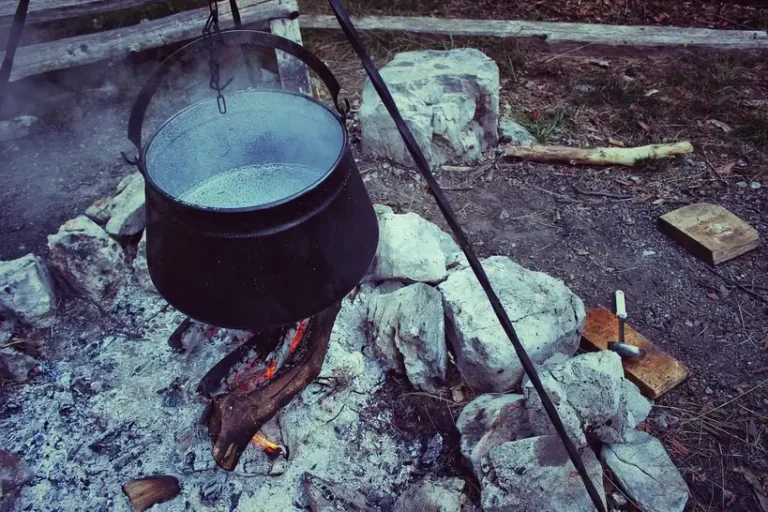
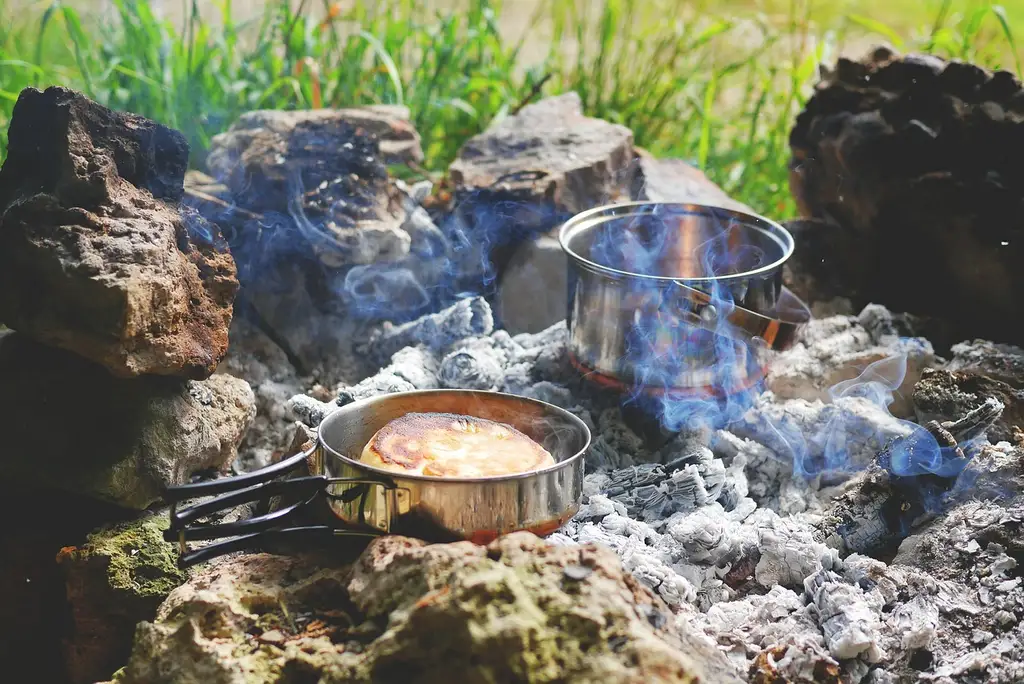
Stainless steel is usually the safer choice for campfire-compatible use, while non-stick coatings need more caution because direct flame and high heat can shorten coating life. Wood fire and firewood heat can also create uneven hot spots. If your set is meant for fire use, confirm that the handles and lids can tolerate it.
Why a flat, stable base matters
A warped base causes uneven heating, wobble on grates, and trouble on uneven picnic tables. It can also make a sauté pan sit poorly over a burner. If the cookware base does not stay flat, the whole set becomes harder to cook with, no matter how many pieces it includes.
What should come with a family cookware set?
A family set should include more than pots and pans if you want smoother meal flow. Plates, bowls, cups, and cutlery matter because four or more campers create more serving and cleanup work. A wash basin, sponges, and strainer lids can matter as much as the cookware itself.
Plates, bowls, cups, and cutlery
Choose enough place settings for every camper, plus a little buffer if kids drop pieces or want seconds. For families, that usually means at least four complete settings and often six. UK Camping Gear lists the Vango Odyssey Cookware Set as a 3-4 person set, while the Coleman Classic is listed as a family cookware set.
Wash basin, sponges, and strainer lids
Cleanup is easier when the kit includes a wash basin or a plan for one. Sponges take care of grease and residue. Strainer lids reduce the need for an extra colander and speed draining. These pieces also help when kids assist with rinsing or sorting dishes.
Dishwasher-safe parts and cleanup flow
Dishwasher-safe parts are useful for home cleanup after a trip, but they do not remove the need for a simple camp routine. A practical flow is: scrape, soak, wash, dry, and pack once fully dry. If the kit nests wet, trapped moisture can leave odors or corrosion spots on parts that should stay clean.
- Choose the meal pattern first: one-pot, breakfast-heavy, or multi-course.
- Pick the largest pot around the slowest meal, not the biggest claim.
- Match material to trip type: stainless steel for durability, anodized aluminum for lighter weight, non-stick for easier cleanup.
- Check nesting, handles, and storage case before you buy.
- Confirm the set works on your gas stove, portable burner, or campfire setup.
- Make sure you have enough plates, bowls, cups, and cutlery for every camper.
- Add cleanup tools if the set does not include them.
Frequently asked questions
How much camp cookware do I need for a family of four?
For four people, a 2- to 3-quart pot and one pan usually cover most camp meals. If breakfast and dinner happen on the same stove at once, add a kettle or a second pot. Do not size the kit around the largest possible dinner; size it around the meal you cook most often.
What size pot is best for feeding 4 to 6 campers?
A 3-liter pot is the most flexible starting point for four to six campers. If you cook large soups, pasta, or batch meals, a 5.6-quart stockpot gives more room and less spill risk. A 1.6L kettle still helps for coffee, tea, and hot water.
Is stainless steel or anodized aluminum better for family camping?
Stainless steel is better if you want durability, rust resistance, and campfire compatibility. Anodized aluminum is better if you want a lighter kit and faster heat spread. For most family car camping, either can work, but stainless steel suits rough handling and open-heat use more comfortably.
Do I need one big pot or multiple smaller pots for campsite meals?
One big pot works for one-pot dinners, but multiple smaller pieces are often easier for breakfast, sides, and mixed meals. Two smaller pots plus a pan usually reduce bottlenecks when several people eat at once. That setup also gives you more control over boiling, simmering, and frying.
What features make camp cookware easier to pack and clean?
Look for nesting design, foldable or detachable handles, and a carry bag or zippered case. For cleaning, non-stick surfaces help, but they need gentle use. Dishwasher-safe parts, strainer lids, and a simple storage plan make the biggest difference once the meal is over.
Can camp cookware work over gas, firewood, and campfire heat?
Yes, if the maker says it can. Gas stoves and portable burners are the easiest match. Campfire and wood fire use need a stable base, secure handles, and materials that tolerate direct heat. Stainless steel is generally the safer choice when open flame is part of the plan.