
Can You Waterproof a Tent with a Tarp? Methods and Tips

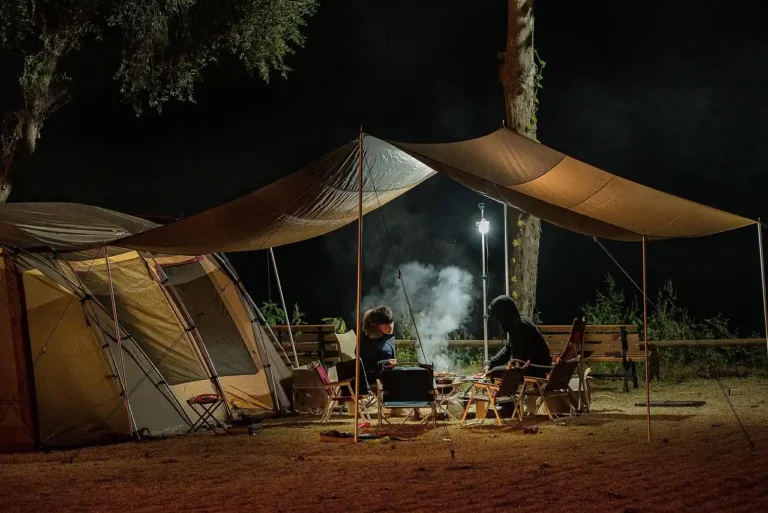
Yes, if you pitch a tarp above the tent with a sloped ridgeline and 6–12 inches of air gap, it can add real rain protection. If it touches the tent or sags, it can trap water. Done badly, it can pool, flap hard in wind, and push moisture onto the tent body. This guide explains when a tarp helps, when it backfires, and the simplest rain-safe setup.
Can you put a tarp over a tent for rain?
A tarp over a tent can work in steady rain, but it is generally treated as backup shelter rather than a replacement for the tent’s rainfly. The rainfly is commonly described as the tent’s primary defense against rain, and it should extend past the tent walls. Use an overhead tarp when you want extra runoff control, a drier setup zone, or another barrier above a worn fly.
A tarp that is pitched too low, too flat, or too large can sag, contact the tent, and transfer water at touch points. Then the tarp sags, contacts the tent, and transfers water at touch points. Wind also catches a broad tarp face and turns a simple shelter into a sail.
When an overhead tarp helps
It helps most in steady rain, under trees, or when you need a dry place to cook, sort gear, or keep the door area drier. An A-frame tarp setup works well because it can use trees or poles and sheds rain efficiently when pitched with enough slope.
When it backfires
If the tarp hangs low over the tent, condensation can build under the cover and drip back down. A low ridgeline also creates a shallow roof that pools water in the middle. Oversized edges can catch wind and drip runoff straight onto the tent walls.
Rainfly first, tarp second
Start with the tent’s rainfly. Then add an overhead tarp only when you need extra coverage. If your rainfly is still intact, extends past the tent walls and seals the seams, that is usually the better first spend than adding a tarp over a compromised pitch.
What you’ll need
- Waterproof tarp with reinforced grommets or tie-out points; polyethylene is a common budget choice.
- Tarp size that is about 2–3 feet larger than the tent footprint for over-tent use.
- Guylines; a tarp shelter kit often carries 25–50 feet of cordage.
- Tent stakes or pegs; one guide cites 6–8 stakes, driven deep for wind resistance.
- Ridgeline cord for suspending the tarp over the tent.
- Bowline knot for secure, adjustable tie-offs around trees.
- Trekking poles or tarp poles for open sites with no trees.
- Tent footprint or groundsheet for under-tent moisture control.
Tarp-over-tent decision matrix
Use this before you rig anything. The right answer changes with site layout, wind, and tent type. A tarp can be cheap insurance for car camping, but backpackers usually need a lighter, tighter pitch; family tents often need more headroom and wider runoff clearance.

| Scenario | Recommended tarp size | Anchor type | Ridgeline height target | Top 3 failure risks |
|---|---|---|---|---|
| Trees available | About 2–3 feet larger than the tent footprint | Tree tie-offs with bowline knots; stakes at corners | High enough for 6–12 inches of air gap over the rainfly | Low ridgeline sag, contact transfer, edge drip onto doors |
| No trees, open site | About 2–3 feet larger than the tent footprint | Trekking poles or tarp poles plus stakes | High enough to keep the tarp above the tent apex | Pole collapse, center dip, wind lift at corners |
| Heavy wind or gusty ridge line | Use the smallest tarp that still covers the tent footprint buffer | Extra stakes, lower side panels, short taut guylines | Lower than calm-weather pitches, but still off the tent fabric | Wind drag, flapping noise, stake pullout |
- Choose over-tent tarp: yes if you expect sustained rain and can keep clearance above the tent.
- Choose under-tent tarp: yes if the goal is ground moisture control and the tarp is slightly smaller than the tent floor.
- Skip the tarp: yes if the site is windy, the tent rainfly is sound, and the tarp would only add drag.
What is the best way to put a tarp over a tent?

The best overall setup is an A-frame tarp over the tent, with a tight ridgeline, enough height to clear the tent, and taut guylines at the corners. This gives the tarp a defined roof shape, sheds rain well, and is easier to stabilize than a loose drape. Keep the tarp off the tent fabric.
- Pick an A-frame pitch that spans the tent without touching it.
- Run the ridgeline first and make it tighter than you expect, because it will sag.
- Hang the tarp so the centerline stays above the rainfly and doors.
- Stake the corners and tension the guylines until the panels shed water cleanly.
Suppose you have a two-person tent under a 10-by-12 tarp at a wooded site. If the ridgeline is only a few inches above the tent peak, the tarp can belly downward in rain and touch the fly. Raising the line and re-tensioning the corners usually fixes the problem before pooling starts.
How do you set it up without trees?
Use trekking poles or tarp poles to support the peak, then anchor the corners with stakes. In open ground, the pole height has to keep the tarp above the tent and high enough for runoff. The A-frame still works here; the main difference is that the poles replace trees as the peak supports.
Pole height and spacing
Set the poles far enough apart that the tarp clears the tent body, then adjust the peak until the ridge has a visible slope on both sides. If the poles are too short, the tarp will sag in the center and drip back toward the tent.
Keep the frame stable
Drive the stakes deep enough to resist gusts, and keep the guy lines taut. In open sites, a lower profile often holds better than a tall, loose pitch. That matters on exposed flats, beaches, and ridges where wind can move a light shelter fast.
How do you keep a tarp from pooling water over a tent?
Keep the ridgeline tight, the roof sloped, and the tarp clear of the tent. Pooling starts in low spots, at slack corners, or where the tarp stretches between supports. Stop it by giving rain a clear path to the edges and by preventing any fabric-to-fabric contact that can wick water inward.
- Tighten the ridgeline until the center stops dipping.
- Raise the tarp until it clears the tent by 6–12 inches.
- Reset any corner that creates a flat pocket or a hanging belly.
- Add tension to the guylines until water runs to the edges.
- Move runoff away from the tent doors and sidewalls.
Picture a family tent under a broad tarp during a slow all-night rain. If one corner sits lower than the others, that corner becomes the drain point and can splash runoff back toward the tent entrance. Re-level the corners before the fabric stretches further under load.
Common mistakes
Most problems come from sizing and pitch, not from the tarp itself. A tarp over a tent only helps when the roof line stays above the tent, the edges are controlled, and the shelter can handle wind without flapping into the rainfly.
- Using a tarp that is too large: oversized edges can channel water underneath the tent or increase wind load.
- Letting the tarp touch the tent: contact points transfer water to the tent body.
- Setting the ridgeline too low: a low roof sags and pools.
- Skipping stakes or using weak anchors: loose corners move in wind and lose runoff shape.
- Mixing up uses: a footprint or groundsheet belongs under the tent, not overhead.
Under-tent use is different
A tarp under the tent should be slightly smaller than the tent floor, not larger. Oversized edges can channel water underneath the tent. For ground barrier use, a footprint or groundsheet can stand in for a tarpaulin, but it should not extend beyond the tent base.
When to skip the tarp
If the tent’s rainfly is in good shape, extends past the walls, and the forecast is only light rain, adding an overhead tarp may create more problems than it solves. In wind, especially, less fabric overhead can be the better answer.
What knots do I need to hang a tarp over a tent?
The main knot you need for trees is the bowline. It gives a secure loop that is still easy to adjust and untie after rain. For guylines and stake points, use whatever knot your cordage holds well, but the tree tie-off should be bowline-based in a tree setup.
For a minimal setup, run cord from the tarp to the trees with bowlines, then tension the corners to stakes. If you are using poles instead of trees, the same cordage can support the peak and corners without changing the overall A-frame shape.
Can I use a tarp instead of a rainfly?
Sometimes, but not as a direct substitute for every tent. The rainfly is the tent’s primary rain defense and should extend past the tent walls. A tarp can supplement it, or cover a gear area nearby, but a plain tarp does not automatically match a well-fitted fly for runoff control and side protection.
If your tent fly is worn, seam sealing and replacement are often smarter than relying on a tarp alone. Seam sealer should be applied along the inside of seams, and another recommends silicone-based sealers for many tent fabrics, with reapplication every year or two.
Frequently asked questions
How far should a tarp extend over a tent?
For over-tent use, aim for a tarp about 2–3 feet larger than the tent footprint. That gives enough overhang to shed rain without hanging so far that edges droop onto the tent or catch too much wind.
Should the tarp touch the tent or stay above it?
It should stay above it. Contact points can transfer water to the tent body, especially where fabric sags under rain. Leave clearance so air can move and runoff can leave the tarp before it reaches the tent walls.
How do I stop rain from getting under the tarp?
Angle the tarp so water exits away from doors and sidewalls, then stake the corners deep enough to keep the edge line steady. A tight ridgeline and taut guylines help stop edge lift, which is what often lets runoff slip back under the cover.
What tarp setup works best without trees?
An A-frame setup with trekking poles or tarp poles is the most practical choice in open ground. Set the poles high enough to clear the tent, then tension the corners with stakes so the roof stays sloped and does not sag into the middle.