
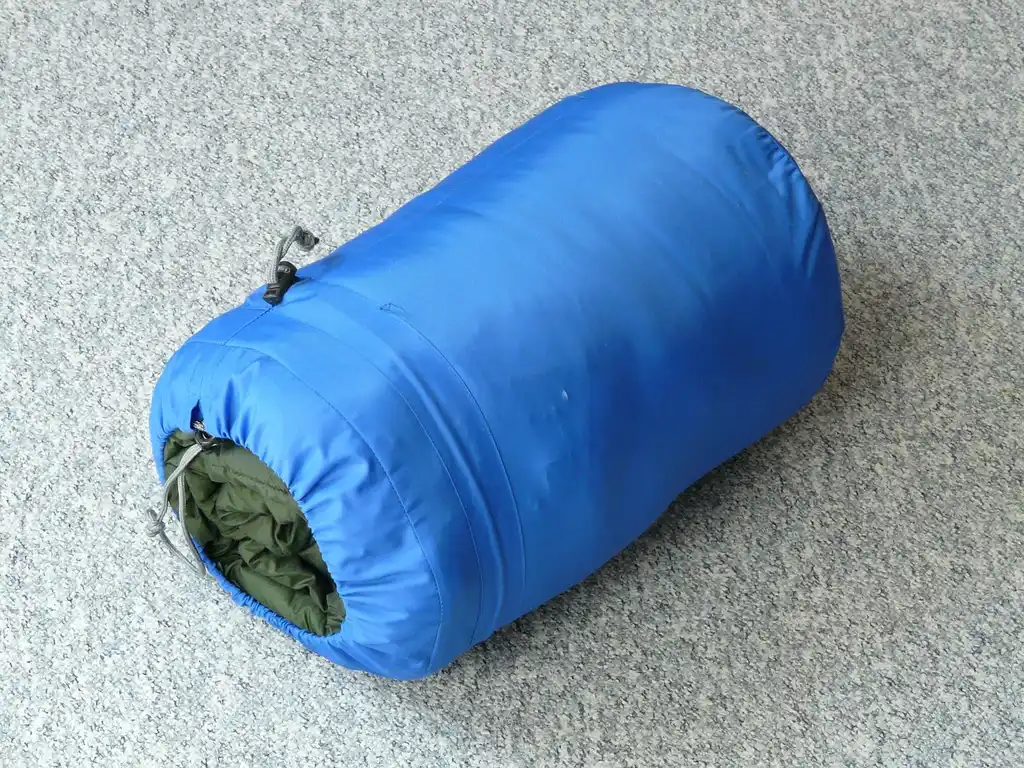
Why proper sleeping bag storage matters

Sleeping bag storage matters because repeated compression, moisture, and dirt flatten the loft that holds warm air, so the best long-term move is to store it uncompressed in a large breathable sack or loose on a shelf. Poor storage can make a bag feel colder, leave insulation clumped, and shorten the time before it feels thin and drafty. This guide explains how loft fails, which storage habits protect synthetic and down insulation, and the exact setup that keeps comfort longest.
How loft affects sleeping bag warmth
Sleeping bag warmth depends on loft, the insulation’s ability to hold still air. Sleeping bags keep you warm by trapping still air, and lower loft means less heat retention. Storage matters because compression, moisture, dirt, and fabric wear reduce loft over time, so a bag can feel colder even when the shell still looks fine.
That change is not cosmetic. It is an insulation problem. When the fill cannot spring back fully, the bag holds less air and moves more heat to the outside.
How loft traps warm air
The insulation inside a sleeping bag works by creating tiny air pockets. Those pockets slow heat movement away from your body. If the fill is bent, flattened, or damp, the air space shrinks and conductive cooling rises.
That is why a bag stored well can still feel warm years later, while a poorly stored bag can feel colder after only a few seasons of hard compression.
Why lost loft means less warmth
Lower loft does not just mean a thinner-looking bag. It means fewer trapped air pockets, slower rebound after unpacking, and less thermal resistance. Temperature ratings assume new insulation, so real-world performance can drift as the bag ages and is stored poorly.
Say your 20-degree down bag spends all summer packed into a small compression sack in a warm closet. The bag may still unzip fine, but the fill can rebound more slowly and feel flatter along the torso and footbox, where pressure was highest.
Why does a bag feel colder after storage?
A sleeping bag feels colder after storage when loft has been flattened, dampness has reduced the air space, or dirt has slowed the fill from bouncing back. The shell may look intact, yet the insulation performs worse because it no longer traps as much still air.
Compression and flattened loft
A compression sack is useful for packing and transport, but it is poor for long-term storage. Repeated compression can cause lasting damage, and long-term compression breaks down insulation structure. Year-round compression is the clearest path to permanent warmth loss.
That damage is especially visible in places that were tightly cinched or folded for months. Those zones often rebound last, if they rebound fully at all.
Moisture, sweat, and condensation
Moisture accelerates heat loss by collapsing insulation loft. Sweat, respiration, humid air, and tent condensation are common sources. Once the fill is damp, it holds less air and can feel colder long before it feels soaked.
A damp bag can also dry more slowly if it is stuffed away immediately. That leaves insulation under stress and can invite clumping in down or matting in synthetic fill.
Body oils, dirt, and slower rebound
Body oils can cause clumping in down, and body oils can slow loft rebound in synthetics. Dirt adds to the problem by coating fibers and reducing how freely the fill opens up. A dirty bag can lose 10–20% of its warmth.
A common first-timer mistake is packing a bag right after a cold, sweaty night and leaving it compressed until the next weekend. The result is usually slower rebound and a musty, flatter-feeling interior.
Down vs synthetic storage needs
Down and synthetic bags lose warmth differently, so they need slightly different storage habits. Down has exceptional warmth-to-weight, but it loses warmth when repeatedly compressed and is sensitive to moisture and body oils. Synthetic insulation resists moisture better, but its fibers bend and mat, which still lowers loft over time.
How down responds to compression and moisture
Down clusters depend on expansion. When compressed again and again, they can clump or break, which reduces loft and lowers warmth. Moisture and oils make that worse by sticking clusters together and slowing recovery after unpacking.
For down, loose storage is especially important. If the fill cannot fully expand between trips, the bag loses the airy structure that gives it its high warmth-to-weight advantage.
How synthetic fibers bend and mat
Synthetic insulation is more moisture resistant than down, so a humid trip does not punish it as quickly. Even so, its fibers can bend permanently and mat down with repeated strain. The decline is usually more gradual, but it is still real.
That means synthetic bags may tolerate a wet weekend a bit better, yet they still should not live stuffed in a sack. Compression keeps pressing the fibers into a flatter shape.
Why each bag type needs a different storage habit
Down needs protection from repeated compression, moisture, and oils. Synthetic needs room to keep its fibers from matting and bending permanently. The storage goal is the same for both, preserve loft as fully as possible between trips.
Suppose you have a 2-pound synthetic bag and a lighter down bag of similar size. The synthetic may shrug off humidity a little better, but both bags will keep more warmth if they are stored loose rather than crushed into small sacks.
Should you use a stuff sack?
Use a stuff sack for packing, transport, and short periods on the trail. Do not treat it as a storage solution. Long-term compression causes damage because the insulation stays flattened instead of cycling through full expansion and recovery.
When compressed packing is fine
For a night or two, or even for a weekend trip, a stuff sack is normal. The key is that the bag is compressed temporarily and then unpacked, aired out, and dried when you return.
Short-trip compression is about convenience. It is not the same as letting the bag live compressed for weeks or months.
When to switch to a loose storage sack
Use a storage sack whenever the bag is back home and not headed out soon. Loose storage is recommended instead of stuff sacks because it helps preserve loft. A breathable sack, or a shelf, gives the fill space to recover.
That simple switch protects both down and synthetic insulation from the slow damage caused by repeated squeeze cycles.
What moisture does to warmth
Moisture hurts warmth by collapsing insulation. It also slows drying, which leaves the bag in a weakened state for longer. The main sources are sweat after a cold night, humid air in the tent, and condensation on the inside of the shelter.
Sweat after a cold night
Your body gives off moisture through sweat and respiration. Even if the bag never feels wet, the fill can absorb enough moisture to reduce loft. That is one reason a bag can feel colder on the second night of a trip.
If the bag feels slightly clammy at the footbox or hood, it should be aired out before being packed away.
Tent condensation and humid air
Condensation can settle on the shell, then soak inward over time. Humid air works more slowly, but it still loads the insulation with moisture. Both conditions make loft collapse more likely and can increase conductive cooling.
Drying fully before storage is as important as avoiding compression. A dry, open bag keeps its structure better than a damp one folded into a sack.
Drying fully before storage
After a trip, hang the bag, drape it over a chair, or lay it out where air can move around it. Do not store it until the fill is fully dry. If the shell feels cool and slightly heavy, give it more time.
That step protects warmth more than many campers expect. A dry bag lofts faster and stays more even from end to end.
Sleeping bag storage decision table
| Storage scenario | Expected insulation risk | Best next step |
|---|---|---|
| Overnight trip compression | Low if temporary; higher if packed damp or left compressed after return. Down needs quicker release from compression; synthetic tolerates short packing better but still benefits from prompt airing. | Use the compression sack for transport only, then unpack and air out the bag within a day. |
| Weekend use | Moderate if the bag stays compressed between outings. Repeated short cycles can still flatten loft in high-pressure zones. Down is more sensitive; synthetic loses loft more gradually. | Between trips, move it to a loose storage sack instead of leaving it stuffed in the pack. |
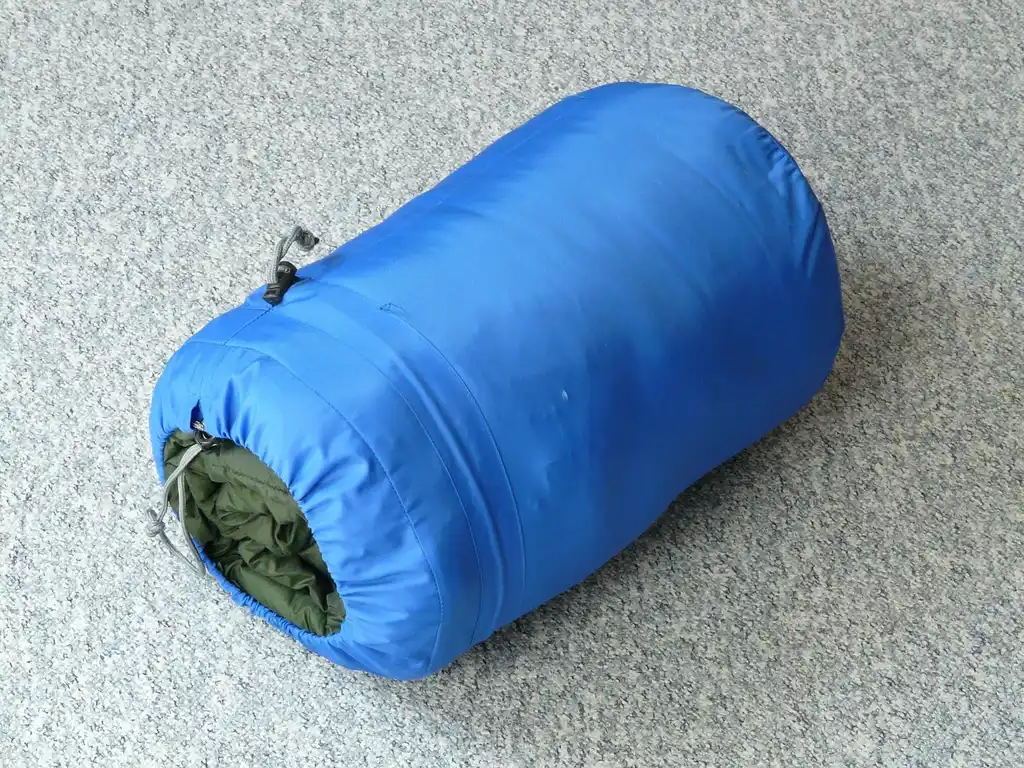
| Off-season storage | High if left compressed for months. Long-term compression breaks down insulation structure and can leave flat spots that rebound poorly. Down and synthetic both suffer, but in different ways. | Store loose in a large breathable sack or on a shelf in a dry closet. |
| Damp return home | High right away. Moisture collapses loft and can speed clumping in down or matting in synthetic fill. Dirt and body oils often ride along with the dampness. | Unpack immediately, dry fully, and clean if odor, grime, or clumping remains after drying. |
| Long-term apartment storage | High if space is tight and the bag is squeezed into a small bin or sack. Continuous pressure can keep the fill from recovering and can shorten the useful life of the insulation. | Use the largest storage sack that fits your space, or hang the bag loosely in a cool, dry closet. |
Down vs synthetic note: down loses warmth faster when repeatedly compressed and when it gets oily or damp, while synthetic resists moisture better but still loses loft as fibers bend and mat. In both cases, loose storage is generally the safer default.
How long can a bag stay compressed?
There is no exact safe clock for every bag. Short-trip packing is normal, but long-term compression is the real failure case. The damage depends on pressure, duration, moisture, and bag type, so the safest answer is simple: keep compression short and infrequent.
Short-trip packing versus off-season storage
Packing a bag for a night or a weekend is fine. Leaving it compressed for the entire off-season is not. The difference is not just time, but repeated time under pressure without a chance to recover loft.
That is why the same bag can perform well on a trip and still feel weaker months later if it lived in a small sack the whole time.
Signs that loft is not recovering
Watch for slower loft recovery, flatter spots, uneven warmth, and longer drying time. If one end of the bag puffs up much more slowly than the rest, or if the insulation feels patchy, the fill may be tired or contaminated.
Those are practical warnings. They tell you the bag is no longer holding air evenly, which is the core of warmth loss.
When to inspect, clean, or re-dry
Inspect the bag after every wet or sweaty trip. If it smells stale, feels damp in the seams, or comes back with visible grime, dry it first, then clean it if needed. Cleaning removes oils and dirt that block rebound.
That routine is simple, but it protects warmth better than trying to fix a compressed bag later.
How do you store a sleeping bag the right way?
The right method is straightforward: air the bag out, dry it fully, clean it when needed, and then store it loose in a breathable sack or on a shelf. This keeps the fill open, limits strain, and helps the bag hold warmth longer.
After-trip airing and drying
As soon as you get home, remove the bag from its packing sack. Open the zipper, shake it out, and hang or lay it where air can move through it. If the trip was wet, give seams and baffles extra time.
Drying comes before storage. That order matters.
Loose storage at home
Use the included storage sack if it is large and breathable. If not, choose a larger cloth sack or store the bag loosely on a shelf. Do not cinch it tight just to save space, because that reintroduces the pressure you are trying to avoid.
The goal is full, easy loft. Anything that keeps the fill open helps preserve comfort.
Cleaning steps that help preserve warmth
Wash the bag when dirt, body oils, or odor start to affect loft recovery. Follow the care label, use a cleaner made for sleeping bag insulation, and dry thoroughly afterward. Dirty fill can lose 10–20% of its warmth, so cleaning is part of storage care, not just appearance.
Frequently asked questions
Why does a sleeping bag get colder when it’s stored compressed?
Compressed storage flattens the loft that traps still air, and still air is what keeps the bag warm. When the insulation stays squeezed, it cannot rebound fully, so the bag holds less air and moves more heat. That is why a bag can feel colder even if the shell looks normal.
How does long-term compression affect sleeping bag insulation?
Long-term compression breaks down insulation structure. Down clusters can clump or break, and synthetic fibers can bend and mat. The result is slower loft recovery, flatter spots, and less warmth. A stuff sack is fine for transport, but it is the wrong home for the bag.
Does moisture reduce sleeping bag warmth over time?
Yes. Moisture accelerates heat loss by collapsing insulation loft, and it can come from sweat, respiration, humid air, or condensation. A damp bag traps less air and dries more slowly, which keeps the insulation under stress and reduces warmth until the fill is fully dry again.
Why does a dirty sleeping bag feel less warm?
Dirt and body oils coat the insulation fibers and interfere with loft rebound. In down, oils can cause clumping. In synthetics, oils can slow loft rebound. A dirty bag can lose 10–20% of its warmth, so grime is more than a cosmetic issue.
Should I store my sleeping bag in a stuff sack or storage sack?
Use a storage sack for home storage and a stuff sack only for packing and transport. Loose storage is recommended instead of stuff sacks because it preserves loft better. Compression is acceptable for short trips, but not for months at a time.
Do down and synthetic sleeping bags lose warmth the same way?
No. Down has exceptional warmth-to-weight, but it is more sensitive to repeated compression, moisture, and body oils. Synthetic insulation resists moisture better, yet its fibers still bend and mat over time. Both lose loft, but they fail in different ways and need slightly different care.