
How to clean a Coleman camp stove without damaging parts

Clean a Coleman two-burner propane camp stove with mild dish soap, warm water, soft cloths, and a dry brush. Do not soak the burners, valves, or igniter parts. Bad cleaning can strip paint, clog burner ports, swell seals, and leave you with yellow flame or hard starts. This guide covers cleaning the cooktop, grates, burners, control valves, drip tray, and fuel-side parts while helping avoid damage to finish or function. It is not for Coleman liquid-fuel stoves.
What you’ll need

- Mild dish soap
- Hot water
- Two buckets or wash basins
- Soft cloths or sponges
- Nylon brush or toothbrush
- Soft wooden pick or nylon brush for burner openings
- Spray bottle of white vinegar for stainless surfaces only
- Dry towels
- Mineral oil for a final wipe on stainless parts, away from cooking-contact areas and burner components
Pre-clean checklist
| Check | Yes | No |
|---|---|---|
| Propane cylinder, regulator, and hose are disconnected | ☐ | ☐ |
| Grate, drip pan, and loose burner parts are removed | ☐ | ☐ |
| Stove is cool and empty of fuel leaks | ☐ | ☐ |
| You have a paper clip, soft brush, soap, and towels ready | ☐ | ☐ |
| You have a dry place for parts after washing | ☐ | ☐ |
How do you clean a Coleman camp stove without damaging it?
Start with the fuel disconnected, then wash removable parts with mild dish soap and hot water, wipe the painted steel body with a damp cloth, and dry everything fully before reassembly. On Coleman two-burner stoves, the safest routine is part-by-part cleaning. Do not scrub every surface the same way.
- Disconnect the propane cylinder, regulator, and hose.
- Remove the grate, drip pan, and any loose burner pieces.
- Wash removable parts in hot water with mild dish soap.
- Wipe the painted steel case with a soapy cloth, then a clean damp cloth.
- Use a nylon brush or toothbrush to clean grime around burner rings and seams.
- Dry every piece completely before putting anything back on the stove.
Say your stove has a boiled-over sauce ring on the cooktop and the paint is still intact. A soap-and-water wipe is usually enough for the body, while the grate and drip pan can take a more direct wash. Keep cleaners off the fuel connection and away from burner holes.
What should you not use on a painted camp stove?
Skip steel wool, oven cleaner, harsh degreasers, bleach, pressure washing, and any abrasive pad on painted steel, seals, or burner components. These cleaners can dull the finish, lift paint, and leave residue that affects flame behavior. On Coleman stoves, painted surfaces need a light touch, not a stripping agent.
Coleman stove cleaning decision table
| Part | Safe cleaner | Unsafe cleaner | Damage risk |
|---|---|---|---|
| Painted steel case | Mild dish soap and hot water; soft cloth | Steel wool, oven cleaner, harsh degreaser, abrasive pad | Paint loss, dull finish, exposed rust points |
| Burner ports | Straightened paper clip; nylon brush | Awl, drill bit, knife tip, sharp wire | Widened ports, uneven flame, permanent pattern change |
| Burner rings | Mild dish soap, hot water, nylon brush | Steel wool, caustic cleaner | Corrosion, warping, poor ignition |
| Cooktop grate | Soap and hot water; nylon brush | Oven cleaner on painted versions; abrasives | Coating damage, rust |
| Drip pan | Soap and hot water; rinse and dry | Caustic degreaser left in place | Residual film, corrosion |
| Stainless lid | White vinegar in a spray bottle; mineral oil final wipe | Steel wool, chlorinated bleach | Scratches, streaking, spotting |
| Fuel line | Dry cloth only around the exterior connection | Soaking, hose spray into fittings, solvent baths | Seal damage, leaks, misfire |
How do I clean a Coleman stove after a boil-over?
Clean a boil-over by removing loose parts first, then washing the spill away before it hardens into crust. Do not scrape painted steel with metal tools, and do not force sauce into burner ports. If the spill reached the burner area, clean around the ports, not through them.
- Let the stove cool completely.
- Disconnect the propane cylinder, regulator, and hose.
- Remove the grate and drip pan.
- Wipe up pooled food with paper towels first.
- Wash the spill area with mild dish soap and hot water.
- Use a nylon brush on residue between burner rings.
- Dry the area before checking the burners again.
Suppose a 10-inch pot of pasta water boils over and leaves starch near one burner. Clean the top first, then inspect the burner ports after the surface is dry. The goal is to remove sticky residue without pushing it deeper into the flame path.
How do I clean Coleman burner ports safely?
Use a soft nylon brush, toothbrush, or wooden pick to clear loose debris around burner ports one at a time, and stop as soon as each port opens. Do not poke metal into the ports. A yellow flame can indicate partly blocked burner ports, and widened ports can change the flame pattern permanently.
- Remove the grate so you can reach the burner area.
- Dry the burner face before working on the ports.
- Brush loose debris away from one port at a time.
- If needed, use a soft wooden pick gently at the opening, not inside it.
- Brush loose grime away with a nylon brush or toothbrush.
- Repeat one port at a time across the burner.
A common first-timer mistake is trying to “open” clogged ports with an awl or drill bit. That can enlarge the hole, which changes the flame pattern and can leave one side of the burner weak even after cleaning.
How do I dry and reassemble?
Dry the stove fully before storage or reassembly. Water trapped inside the case can cause rust, and wet burner parts can make ignition uneven. Put the burner rings back in the correct position, confirm the grate sits flat, and reconnect the hose and regulator only after every part is dry. Before reconnecting and lighting, check the propane connection for leaks with soapy water.
- Wipe each part with a dry towel.
- Air-dry the burner area until no moisture remains in seams or under the rings.
- Reinstall burner rings in their original position.
- Set the drip pan and grate back in place.
- Reconnect the hose and regulator firmly.
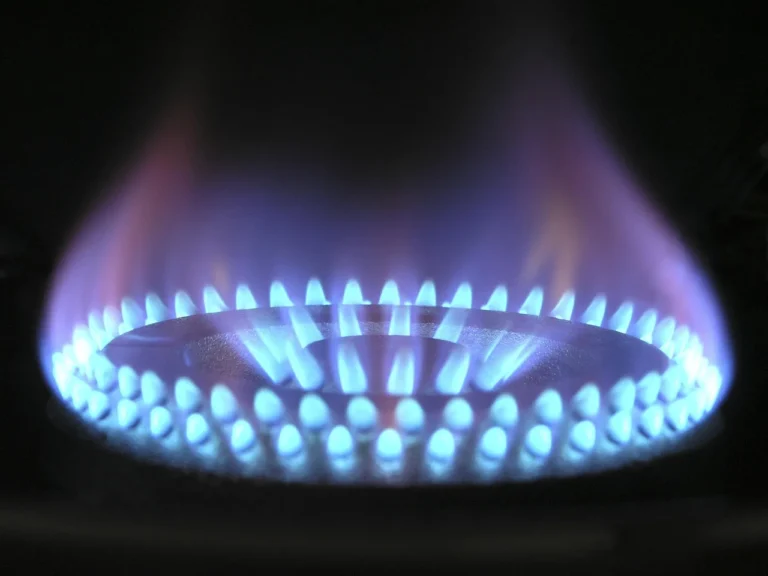
- Open the valve and test for a steady blue flame.
If the flame stays yellow after reassembly, shut the stove down, disconnect the fuel again, and check for wet burner tubes, a misaligned ring, or a port that still has debris.
Why is my Coleman stove flame yellow after cleaning?
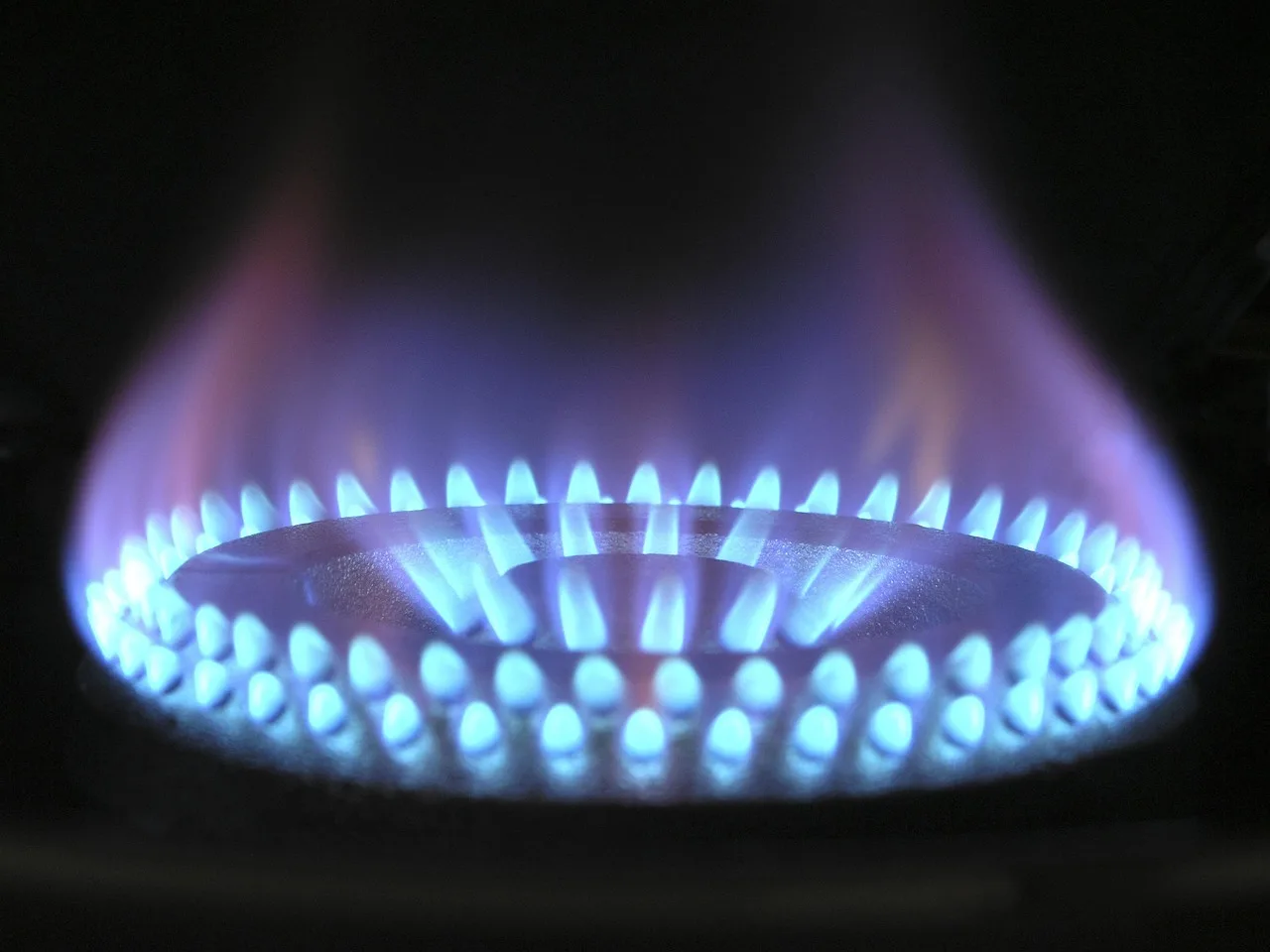
A yellow flame after cleaning usually means the burner is still partly blocked, wet, or misassembled. On Coleman two-burner stoves, the most common fixes are to clear remaining debris from the ports, dry the burner area fully, and verify that the rings sit in the right place before relighting. Before relighting, check the propane connection for leaks with soapy water.
If that didn’t work, try this next
- Shut off the burner and disconnect the propane cylinder again.
- Inspect the burner ports for residue you may have missed.
- Check that the burner ring is seated evenly and not tilted.
- Confirm the hose and regulator are dry and connected correctly.
- Relight and look for a steady blue flame across the burner face.
Can I use vinegar or degreaser on a Coleman stove?
White vinegar can help on stainless surfaces, and it should stay off painted steel, burner parts, and seals. Mild dish soap is the safer general cleaner. Harsh degreasers can leave residue on burner components and can attack finishes or seals, so they are generally a poor choice for routine Coleman stove cleaning.
Stainless-only cleanup
- Put white vinegar in a spray bottle.
- Spray only the stainless lid or other stainless surfaces.
- Wipe with a soft cloth.
- Finish with a light mineral oil wipe to shed fingerprints and moisture, keeping it off cooking-contact areas and burner components.
For painted steel, vinegar is not the universal answer. Stick to soap and water unless the part is clearly stainless and free of fuel-system connections.
Common mistakes to avoid
The fastest way to damage a Coleman stove is to treat every part the same. Painted steel, stainless, burner ports, and fuel connections each need different cleaning habits. Keep cleaners mild, keep water out of the fuel path, and do not force tools into holes or seams.
- Using steel wool on painted parts
- Spraying oven cleaner on the cooktop or burner assembly
- Pushing a sharp tool through burner ports
- Soaking the regulator, hose, or fuel connection
- Reassembling parts while they are still damp
- Ignoring a yellow flame after cleaning
One more practical point: if rust has already started on painted steel, clean the loose dirt away, dry the area, and keep it from staying wet. On stainless, rust-like spotting often wipes away with vinegar and a soft cloth, then mineral oil helps keep fingerprints and moisture from returning quickly.
Frequently asked questions
How do I dry a camp stove so it doesn’t rust?
Wipe each part dry, then let the stove air-dry until no moisture remains in seams, under rings, or inside the case. Water trapped inside the body can cause rust. Store it only after the burner area, grate, drip pan, and exterior are fully dry.
How do I reassemble a Coleman stove after cleaning?
Put the burner rings back in their original position, seat the grate and drip pan flat, then reconnect the hose and regulator after all parts are dry. Open the valve and check for a steady blue flame. If the flame is yellow or uneven, shut it down and inspect the burner alignment.