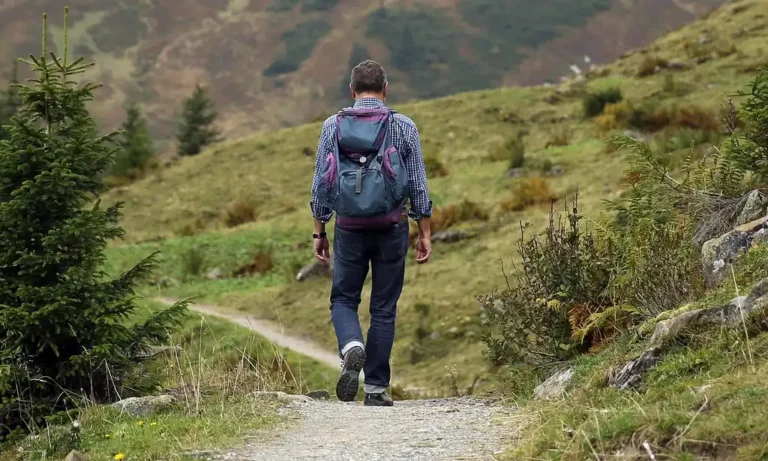

Backpack rain cover vs dry bag: Key differences explained

A backpack rain cover shields the pack shell, while a dry bag protects contents; for wet hiking, use both when rain, splash, or crossings are likely. Rely on only one system and you risk soaked insulation, wet electronics, and a colder, heavier hike. This guide explains where each fails and which setup fits rain, stream crossings, and mixed conditions.
| Decision factor | Backpack rain cover | dry bag | Winner |
|---|---|---|---|
| What it protects | Exterior pack shell, straps, and pockets | Contents sealed inside the bag | tie |
| Failure mode | Wind lift, runoff, abrasion, and exposed openings | Poor closure, puncture, or opening the bag in rain | dry bag |
| Best exposure type | Rain, dust, and splash on the move | Wet storage, crossings, and sensitive gear | tie |
| Accessibility | Easy to reach into the pack, but cover may need removal | Slower access if gear is deep in sealed storage | Backpack rain cover |
| Pack fit and sizing | Needs a match to backpack volume in liters | Needs a match to item size, not pack volume | dry bag |
| Protection of sleep gear and clothes | Indirect only | Direct, sealed storage | dry bag |
| Bulk and carry convenience | Very small packed size | More structure and bulk at useful sizes | Backpack rain cover |
What each option protects
A backpack rain cover helps protect the outside of the pack, while a dry bag helps protect gear inside the pack. dry bag protects the gear inside the pack. That split matters because rain often enters from several directions: spray from the trail, water running down shoulder straps, and moisture that gets inside when you open the pack.
Backpack rain cover
A backpack rain cover is an external weather shield sized to pack volume, usually with an elastic or drawcord edge. It covers the shell of the backpack, including many pockets and seams, but it does not seal the pack body or stop water at the shoulder straps, hip belt, or top opening.
Dry bag
A dry bag typically uses a roll-top closure and waterproof construction to help keep contents sealed inside the bag. It is commonly used for clothes, sleep systems, and electronics, either as a full pack liner or as a compartment organizer. Small models fit a phone or headlamp; larger ones can hold a sleeping bag or spare clothing.
Where each one fails first
Backpack rain cover usually fails first at the edge. Wind can lift it, runoff can sneak underneath, and abrasion from brush or rough fabric can wear the material over time. If the pack is stuffed unevenly, the cover can also leave openings around the side pockets or bottom corners.
dry bag usually fails first at the closure or at the point where the user opens it in wet weather. A roll-top seal works well when closed correctly, but it does not help if the bag is left open in rain or if a sharp object punctures it. A zipper on the outside of a pack is a far weaker seal than a roll-top closure.
How a backpack rain cover works
A backpack rain cover is sized by backpack volume, commonly in liters. Daypacks often need smaller covers than multi-day packs, and the size range matters because a cover that is too small may not reach over the pack body, while one that is too large can flap in the wind and lose its grip.
Fit by backpack volume
Most covers are sold for ranges such as 20-30 liters, 30-40 liters, or 50-70 liters. The useful overlap is real, but it is not unlimited; a 30-liter cover may stretch over a 35-liter daypack with a slim load, yet the same cover may ride too high on a fully stuffed 35-liter pack.
Elastic or drawcord edge
The edge is usually elastic or drawcord-adjusted so it can grip the pack rim and bottom. That helps in light rain and while moving, but it is also where the system loses ground first if the wind is strong. A cover that fits poorly can funnel runoff toward the back panel instead of shedding it.
Why wind and runoff matter
Rain rarely falls straight down on a hike. Wind can drive water under the lower edge, and water from branches or a wet shell can travel along the pack surface. That is why a rain cover is best treated as an exterior shield, not as the only barrier for sleep gear or electronics.
How a dry bag works
A dry bag keeps contents dry by sealing them inside a roll-top closure. It is a storage system, not a shell cover, so it performs best when the gear that matters most is packed inside it and kept closed. For a backpacking load, that often means sleep insulation, dry clothing, or items that must stay dry at all costs.
Roll-top closure
The roll-top seal is the key feature. Roll the top down several times, clip it shut, and the opening becomes far harder for water to enter. That still does not make it a submersion-proof vault; a dry bag is designed for waterproof storage in rain, splash, and short wet exposures, not for assuming every seam or closure will survive underwater pressure.
Internal storage roles
Inside a backpack, a dry bag works well as a compartment for the gear that must stay dry first. That includes a sleeping bag, insulation, a spare base layer, maps, a power bank, or a camera. Because the bag is sealed inside the pack, it protects the items even if the pack shell gets soaked.
Why submersion is a different test
Waterproof claims are not all the same. Hydrostatic head describes resistance to water pressure on fabric, but seam construction and closure design decide what happens in real use. A taped-seam or welded-seam bag can handle rain and splash much better than a simple fabric pouch, yet short submersion and long pressure are different problems.
Are backpack rain covers waterproof or just water resistant?
Backpack rain covers are often marketed as waterproof, but that claim usually applies to the coated fabric, not to every opening around the pack. In real use, performance depends on coating type, seam construction, and fit. A PU-coated cover with decent coverage can block rain well, yet it still does not seal the pack like a dry bag.
Hydrostatic head and waterproof claims
Hydrostatic head is a measure of how much water pressure a fabric can resist before leaking. It is useful, but it does not tell the whole story. A high fabric rating does not fix a loose edge, a gap around the straps, or water entering through the backpack itself.
Taped seams, coatings, and fabric
Taped seams and welded seams improve resistance because they close the stitch holes or remove them. Coated fabrics also matter, especially PU-coated or similar waterproof fabrics. The cover can still fail if the stitching, edge binding, or attachment points leave weak spots.
Water resistance versus full sealing
Water resistance means the item slows water entry. Full sealing means the contents are protected by a closed barrier. A rain cover is usually closer to the first category, while a dry bag is built for the second. That is why a cover can be fine for a passing shower but still leave gear at risk in wind-driven rain or long wet descents.
Can a dry bag replace a rain cover?
A dry bag can replace a rain cover for some trips, but only if you accept that the outside of the backpack may still get soaked. That can be enough for short hikes, travel, or trips where the most sensitive gear is sealed inside and the rest of the pack can get damp.
When a dry bag is enough
If you carry only a few essential items in a small pack, sealed internal storage may be the smarter choice. A commuter pack with a laptop in a lined sleeve, or a short day hike with a dry change of clothes inside a roll-top bag, can often do fine without an external cover.
When exterior pack protection still helps
On longer hikes, the pack shell itself matters. Wet shoulder straps, soaked mesh pockets, and runoff into the lid can make a pack unpleasant to carry even if the core gear stays dry. A cover reduces that exposure and can cut the amount of water the pack absorbs over the day.
Accessibility during wet hiking
A cover also changes how you access the pack. If you need snacks, layers, or a map repeatedly in steady rain, removing and replacing a cover adds friction. That is one reason many hikers pair a cover with internal dry storage instead of relying on one layer alone.
Rain cover decision matrix
This table maps weather intensity, trip length, pack type, and gear sensitivity to the safest setup. The goal is not to pick a winner on paper, but to match the protection system to the parts of the load that matter most.
| Weather and trip | Pack type | Gear sensitivity | Recommended setup | Why |
|---|---|---|---|---|
| Light showers, short day hike | 20-30 L daypack | Low to moderate | Backpack rain cover only | Quick shell protection is usually enough, and access stays easy. |
| Steady rain, half-day hike | 30-40 L daypack | Moderate | Backpack rain cover only | Works if the load can tolerate some moisture and the pack is opened often. |
| Heavy rain, full day or overnight | 35-55 L backpack | High | Pack liner plus cover | The cover limits shell soak, and the liner protects sleep gear and clothing. |
| Long wet trip, multi-day | 50-70 L backpack | High | Both | Exterior water control matters, but core items need sealed internal storage. |
| Stream crossings or splash exposure | Any pack | Very high | dry bag only for critical items | Crossings can defeat a shell cover, so the sensitive load needs sealed storage. |
| Travel and commuting in rain | Daypack or laptop pack | High for electronics | dry bag only or internal dry sleeve | Interior protection matters more than shell coverage when the pack is carried briefly. |
Choose Backpack rain cover if…
Choose Backpack rain cover if your main problem is wet fabric, not fully sealed storage. It is the better pick for daypacks, variable showers, and trips where you want easy access to the pack body.
Choose Backpack rain cover if the weather is moderate, the hike is short, and your gear already has some internal protection. Choose dry bag if the load includes a sleeping bag, dry clothes, or electronics that cannot get damp. Choose both when the route is long, wet, or exposed to splash and crossings.
Choose dry bag if…
Choose dry bag if your main goal is to keep specific items dry inside the pack. It is the better choice for sleep systems, clothes, food that must stay dry, and electronics in wet conditions.
Choose dry bag if you expect stream crossings, repeated opening in damp weather, or a pack that may get wet from the inside because of condensation or a soaked back panel. Choose both if the trip is long enough that shell protection still matters and the pack volume is large enough to justify it.
Choose Backpack rain cover if… / Choose dry bag if…
Choose Backpack rain cover if you need quick exterior protection, use a daypack, and want the easiest access during rain. Choose dry bag if the gear inside matters more than the shell and you need sealed storage for sleeping gear, clothing, or electronics. For most wet backpacking, the safest answer is both, with a pack liner for the most sensitive items.
Say your 40-liter pack is carrying a sleeping bag, spare socks, and a camera on a two-day trip with steady rain. A rain cover helps the pack shed water, but the sleeping bag should still sit inside a pack liner or dry bag so one torn edge or wet lid does not ruin the night.
Suppose you are commuting with a 25-liter pack and a laptop sleeve, and the forecast calls for light rain and short walks between buildings. A dry bag for the laptop and charger may be enough, because the main risk is the contents, not a long wet carry.
What is the best setup for backpacking in wet weather?
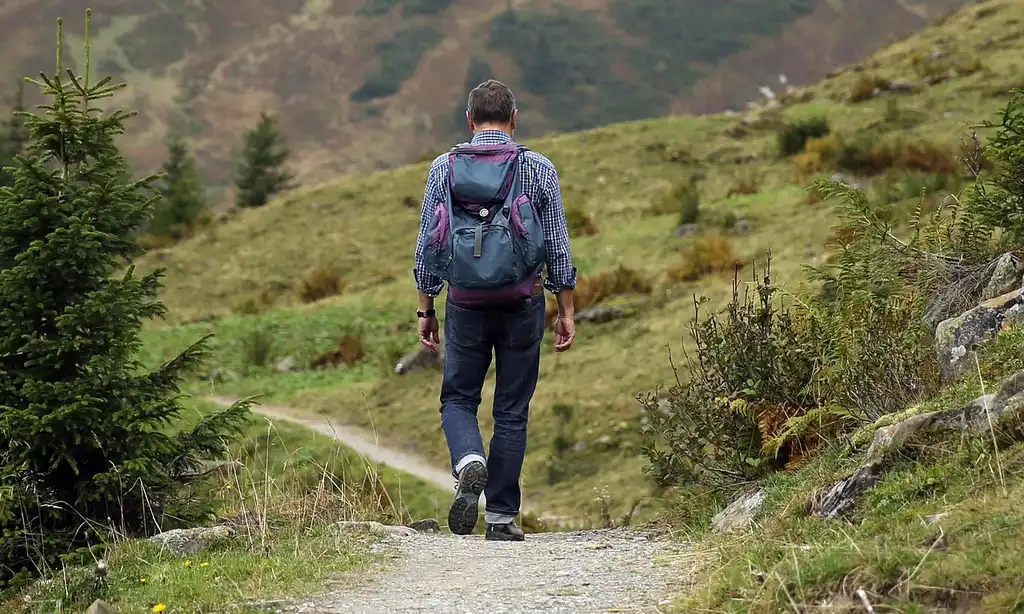
A common setup for backpacking in wet weather is a pack liner for the sleep system and clothing, plus a backpack rain cover for the exterior shell. That combination covers both failure paths: water entering the pack body and water soaking the pack from the outside.
If the route includes stream crossings or sustained heavy rain, keep the most sensitive gear in a roll-top dry bag inside the pack, and treat the cover as a second layer rather than the only defense. That gives you the best balance of protection, access, and pack-size flexibility.
Frequently asked questions
Is a backpack rain cover better than a dry bag?
No. A backpack rain cover is better for protecting the outside of the pack, while a dry bag is better for keeping contents dry. The better choice depends on what you are trying to protect. For wet hiking, the stronger setup is often a rain cover plus sealed internal storage.
Can a dry bag replace a rain cover for hiking?
Yes, sometimes. A dry bag can replace a rain cover if your main concern is protecting a few critical items and you can accept a wet pack shell. It is less ideal when you want the pack itself to stay dry, when you open the pack often, or when weather is prolonged.
Do backpack rain covers keep everything dry in heavy rain?
Not reliably. A good cover helps a lot, but wind, runoff, abrasion, and gaps around straps can still let water in. If the gear must stay dry in heavy rain, put it inside a dry bag or pack liner as well. The cover should be treated as external protection.
What size rain cover do I need for my backpack?
Match the cover to your backpack volume in liters. A 20-30 liter cover fits many daypacks, while larger multi-day packs often need 50-70 liter coverage. If your pack sits near the upper edge of a size range, choose the larger option so the cover can reach and stay put.
How much weight do rain covers and dry bags add?
Rain covers are usually the lighter option and pack very small, while dry bags add more material and more bulk at useful sizes. The exact weight depends on size and fabric, so compare product listings by liters and construction. A pack liner can be lighter than using multiple dry bags.
Should I use a dry bag inside my backpack instead of a cover?
Use a dry bag inside your backpack if the main goal is protecting a specific load, such as sleep gear or electronics. Use a cover if you also want the shell to shed rain and dirt. For many backpacking trips, the strongest answer is a liner or dry bag inside, with a cover outside.