What fuel can you use in a camp stove and how do they differ?

Use the fuel your stove is built to burn: threaded canister stoves commonly run on isobutane-propane blends or, with the right stove, 1 lb propane; liquid-fuel stoves burn white gas, and some multi-fuel models may also accept kerosene or unleaded gasoline. The wrong fuel can cause weak output, clogged jets, failed ignition, or a stove that will not connect to the canister. This guide maps stove type, cold-weather performance, and connector fit so you can choose the right fuel for each trip.
Quick fuel chooser
Start with the stove label, then match it to temperature and trip length. Fuel is usually sold separately from the stove, so it is easy to bring the wrong canister or bottle.
Best fuel by trip type
For car camping and group cooking, propane is the usual choice because it screws on cleanly and is simple to light. For backpacking, a threaded isobutane-propane canister is usually the easier carry. For long trips, winter use, or remote supply, a liquid-fuel stove with white gas is often the most flexible option.
Best fuel by temperature
As temperatures fall, canister pressure drops. Butane tends to lose usable pressure first, propane generally keeps working longer, and isobutane-propane blends are commonly reported to fall between those two in cold performance. Below freezing and into subfreezing weather, liquid fuel is often the safer choice for many trips because the stove can be pumped and primed instead of relying on canister vapor pressure.
Best fuel by stove connector
Threaded canisters need a threaded stove valve that matches the canister type, often EN 417-style. Top-mounted canister stoves, tabletop canister stoves, and liquid-fuel stoves all use different hookups. An adapter may exist for some combinations, but only if the stove maker approves it for that model.
Camp stove fuel matrix
Use this matrix as a trip-by-trip filter. Start with the stove you own, then remove fuels that do not match the connector or the temperature band.
| Trip type | Temperature band | Stove connector type | Best fuel | What can go wrong | One-line recommendation |
|---|---|---|---|---|---|
| Car camping for a family meal | Mild to cool | 1 lb propane cylinder hookup | Propane | Wrong regulator or connector, or the stove is not built for propane bottles | Choose propane if your stove is listed for it and you want simple setup. |
| Weekend backpacking | Mild to cool | Threaded canister, EN 417-style | Isobutane-propane blend | Canister mismatch, poor cold output if the mix is too butane-heavy | Pick a threaded blend canister when you want lighter carry and easy setup. |
| Early spring or shoulder-season hike | Near freezing | Threaded canister, EN 417-style | Isobutane-propane blend | Pressure drop if the canister is nearly empty or sits in the cold | Use a blended canister, keep it out of snow, and expect slower output than warm-weather use. |
| Winter camping or cold base camp | Freezing and below | Liquid-fuel pump bottle | White gas | Priming flare, pump leaks, or the stove is not multi-fuel | Choose a liquid-fuel stove if the trip depends on steady output in the cold. |
| Long trip with resupply limits | Variable | Liquid-fuel stove rated for multiple fuels | White gas | Wrong liquid in a stove that cannot burn it, clogged jets, extra maintenance | Use the fuel the manual lists first; switch fuels only on a stove designed for that use. |
| Remote travel where stove fuel is hard to find | Cool to cold | Multi-fuel liquid stove | Kerosene or unleaded gas, if approved | More soot, more cleaning, harder ignition than white gas | Carry only the liquid fuels the stove maker approves and expect more maintenance. |
| Lightweight travel with a compact stove | Mild weather | Small canister stove, threaded or tabletop depending on model | Butane or a butane-rich blend if allowed by the stove | Cold weather pressure loss and possible fuel choice confusion from similar-looking canisters | Use butane only for mild conditions and only when the stove label allows that canister type. |
Which camp stove fuels work?
Fuel choice is narrower than many labels suggest. Canister stoves usually want gas fuel in a matching canister, while liquid-fuel stoves use a pumped bottle and a burner built to atomize liquid into vapor. The stove manual decides what is safe.
Propane
Propane is a pressurized gas fuel that is easy to use: connect, turn the knob, and light. It is common for car camping and group cooking, and it is often sold in 1 lb cylinders. Propane stays useful in cold weather better than butane, which is why many campers reach for it when temperatures dip.
Butane
Butane is a lightweight canister fuel best suited to mild weather. It is common in tabletop and compact stoves, but it loses pressure sooner as temperatures fall. If the air is cold, butane is the first canister fuel to show weak flame and sluggish boil times.
Isobutane-propane blends
Isobutane-propane blend canisters are threaded canister fuels made for many backpacking stoves. They fit EN 417-style connectors on many models and perform better in the cold than straight butane. They still depend on vapor pressure, so they are not the same as liquid fuel in winter conditions.
Say your stove is a small top-mounted backpacking model and the morning is 28°F. A threaded blend canister is a better match than a straight butane canister, but it still may not match the steadier output of a liquid-fuel stove once the canister gets very cold.
White gas and other liquid fuels
White gas is a common liquid fuel for camping stoves. Liquid-fuel stoves are pumped and pressurized manually, and they must be primed before ignition. They are often the better pick for longer trips and cold weather, and they can be cheaper per use than canisters when fuel waste and container size are part of the calculation.
Some lightweight backpacking stoves use white gas, kerosene, alcohol, or unleaded gas, but only if the stove is built for those fuels. Do not assume a backpacking stove can burn every liquid fuel. Most cannot.
Kerosene, alcohol fuel, and unleaded gas
Kerosene, alcohol fuel, and unleaded gas are only for stove models designed for them, usually multi-fuel stoves. A stove that lists one liquid may not safely accept another, even if both are liquid fuels. Jet size, generator design, and burner heat all matter.
Picture a multi-fuel stove on a remote trip where white gas is unavailable. Switching to unleaded gas may be allowed on that model, but only if the manual says so. A random swap can clog the jet or create poor vaporization.
Canister fuel vs liquid fuel
Canister fuel is faster to set up, while liquid fuel is usually better when cold weather or long supply runs matter. The tradeoff is straightforward: convenience and low fuss versus manual pumping, priming, and more upkeep.
| Category | Canister fuel | Liquid fuel |
|---|---|---|
| Setup | Screws on already pressurized and lights quickly | Requires filling the bottle, pumping, and priming |
| Cold performance | Pressure falls as temperature drops; butane fails first | Better in the cold because the stove is pressurized by hand |
| Cost | Convenient, but can leave fuel in half-used canisters | Often cheaper per use, especially on longer trips |
| Packability | Compact, but empty canisters become waste | Heavier setup, but bottles are reusable |
| Maintenance | Low, with less cleanup | More maintenance because burners and jets need care |
Setup and day-to-day use
Canister fuel is easier to use because it arrives already pressurized and screws on. That is why it is so common for quick meals and short trips. Liquid fuel takes more steps, and those steps matter because the stove will not run properly without pressure and priming.
Cold-weather performance
Cold-weather vapor pressure is the key difference. As temperature drops, gas in the canister does not vaporize as well. Butane loses usable pressure first, while propane and propane blends keep working longer. Liquid fuel avoids that canister-pressure problem because the stove creates operating pressure by pumping.
Cost and fuel waste
Canister fuel can be convenient but leave more waste if you carry multiple partial canisters or end a trip with fuel still inside. White gas and similar liquid fuels often cost less per use, especially on longer trips, because you can refill the bottle and use the exact amount needed.
Packability and maintenance
Canisters are tidy and simple to pack, which helps on short trips. Liquid-fuel systems add a bottle, pump, hose, and more cleaning. The tradeoff is worth it when you need dependable flame in the cold or across several days of cooking.
What matters in cold weather?
In cold conditions, the fuel is only half the story. The stove connector, the fuel blend, and whether the stove depends on vapor pressure all shape whether you get a steady flame or a sputtering burner.
Cold-weather vapor pressure explained
Canister stoves depend on fuel vapor pressure. Lower temperature means lower pressure, which means weaker output. That is why a canister stove can seem fine at lunch and disappoint at dawn, when the metal canister has been sitting in cold air overnight.
Why butane drops off first
Butane needs warmer conditions to keep pressure up. When the temperature falls, output drops first on butane canisters, then on blends that lean heavily on butane. That is why butane is best kept for mild weather and compact tabletop use.
When propane blends make more sense
Propane and isobutane-propane blends are better when you expect cool mornings, high elevation, or shoulder-season nights. Propane remains the stronger cold-weather gas, while isobutane-propane blends are common because they balance packability with better cold performance than butane alone.
When liquid fuel is the safer pick
For winter camping, long stove sessions, or trips where you cannot afford weak flame, liquid fuel is often the safer pick. It does not rely on canister pressure in the same way, but it does require careful pumping and priming. That makes it more work, not risk-free.
A common first-timer mistake is bringing a butane-heavy canister to a frosty campsite and assuming the flame problem is the stove. The stove may be fine. The fuel is the issue, because pressure falls as the canister chills.
How do connectors and adapters affect fuel choice?
Connector fit matters as much as fuel chemistry. A stove can be built for propane, butane, or a blend and still fail if the connector style does not match the canister. Threaded canister compatibility is a hardware question, not a fuel-quality question.
Threaded canister compatibility
Many backpacking stoves use threaded canisters with EN 417-style fittings. Those canisters screw directly onto the stove valve when the threads and seal match. If the canister does not match the stove’s connection style, the fuel choice is irrelevant because the stove will not connect safely.
When an adapter may work
Some stoves can use an adapter, but only if the manufacturer lists that setup. Adapter use depends on stove design, thread type, and pressure handling. Do not assume a propane bottle adapter or butane adapter is safe just because the threads appear similar.
When the manual says no
If the manual does not list the fuel or connector, do not improvise. That applies to liquid fuels too. A multi-fuel stove may accept several liquids, but a single-fuel stove is still a single-fuel stove even if another fuel would physically ignite.
Why do liquid-fuel stoves need priming?
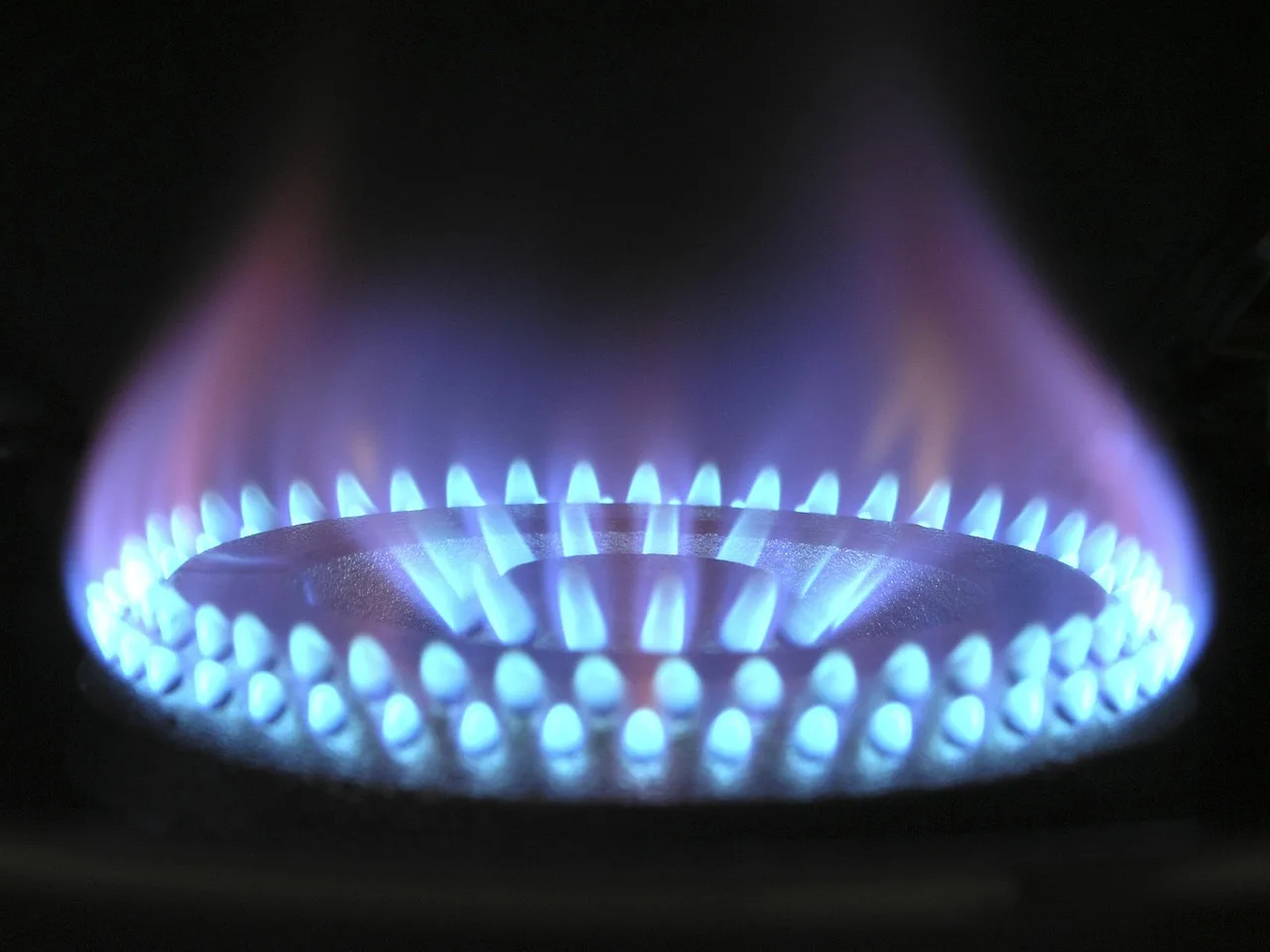
Liquid-fuel stoves need priming because the burner has to be hot enough to turn liquid fuel into a burnable vapor. The stove is pumped to pressurize the tank, then primed so the burner heats up before normal cooking begins.
Pump pressure and burner heat
Liquid fuel does not flow and burn like gas in a canister. The stove must be pressurized by hand, and the burner must be heated first. Priming creates that heat by burning a small amount of fuel under controlled conditions.
What priming does
Priming heats the generator or burner head so the next fuel entering the system vaporizes cleanly. Without that step, the stove may sputter, flame irregularly, or fail to ignite properly. That is why liquid-fuel stove lighting takes more attention than a screw-on canister stove.
Common flare-up mistakes
If you over-prime or rush the lighting step, the stove can flare. Too much fuel, too much pump pressure too early, or a cold burner can all send flame where you do not want it. Keep the stove level, follow the manual, and stop if the flame is unstable.
When to stop and let the stove cool
If the priming flame is larger than expected or the burner is flooding, shut it down and let it cool before trying again. A hot restart with too much fuel can create a bigger flare-up. Cold weather does not remove that risk, and it can make the sequence harder to judge.
Frequently asked questions
What fuel can you use in a camp stove?
You can use only the fuel listed for your stove model. Common choices include propane, butane, isobutane-propane blends, white gas, kerosene, alcohol fuel, and unleaded gas, but not every stove accepts every fuel. Check the label and manual before you buy a canister or bottle.
What is the difference between propane, butane, isobutane, and liquid fuel?
Propane is the strongest cold-weather canister gas and is common for car camping. Butane is lighter and fine in mild weather, but loses pressure sooner in the cold. Isobutane-propane blends improve cold performance over butane. Liquid fuel uses a pumped bottle and works better in winter.
Which camp stove fuel works best in cold weather?
For cold weather, liquid fuel is usually the most dependable choice, especially for freezing and below. If you want a canister stove, choose a propane-rich or isobutane-propane blend rather than straight butane. Propane and blends hold pressure longer as temperatures fall.
Can you use butane in a propane stove?
Only if the stove maker lists butane use for that specific model. Fuel chemistry and connector fit are separate issues. A propane stove may physically connect to a canister style that does not match the fuel it was designed for, which can cause poor performance or unsafe operation.
How long does a 1 lb propane canister last?
Runtime varies too much by stove output, canister size, and cooking style to give a reliable single number for every setup. In general, a 1 lb propane cylinder is common for car camping and group meals, but actual burn time depends on how high you run the burner and how often you cook.
What fuel is cheapest for camping stoves?
White gas and other liquid fuels are often cheaper per use than canisters on longer trips, especially when you account for leftover fuel in partial canisters. Canister fuel is convenient, but convenience can cost more if you use only part of a canister and then store the rest.
Which fuel is best for backpacking vs car camping?
Backpacking usually points to a threaded canister stove with an isobutane-propane blend because it is compact and simple. Car camping usually points to propane because it is easy to connect and use, and 1 lb cylinders are common. Winter backpacking is the main case where liquid fuel often wins.