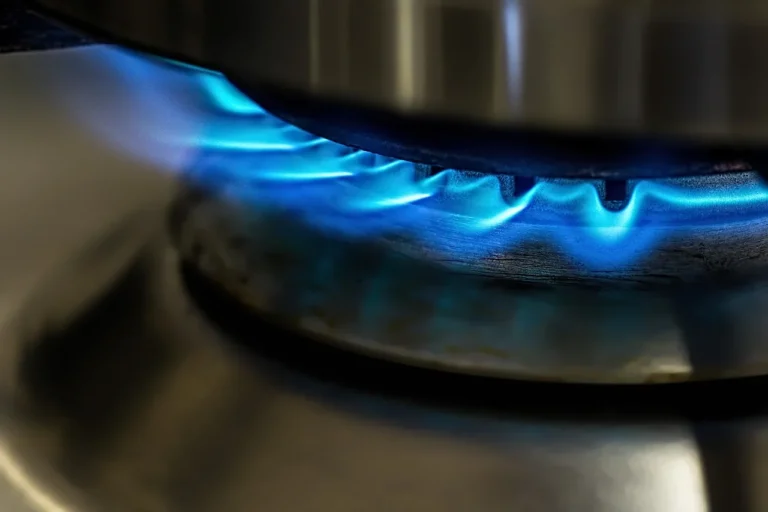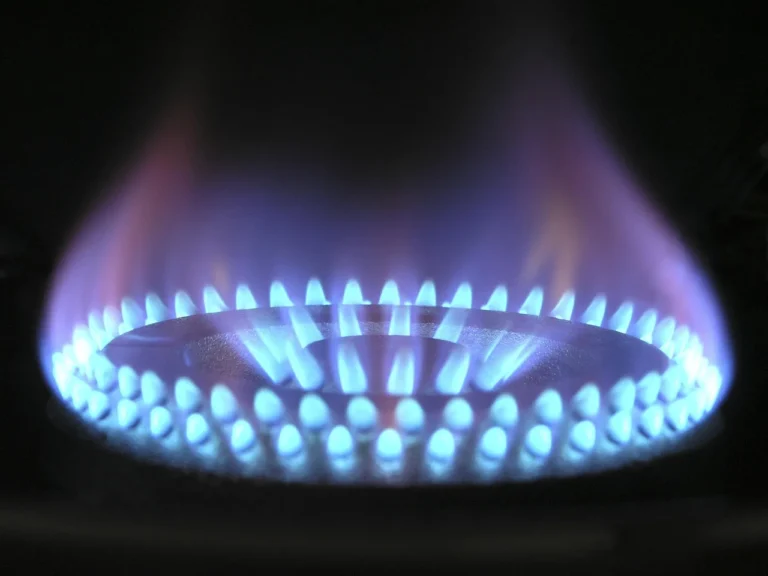
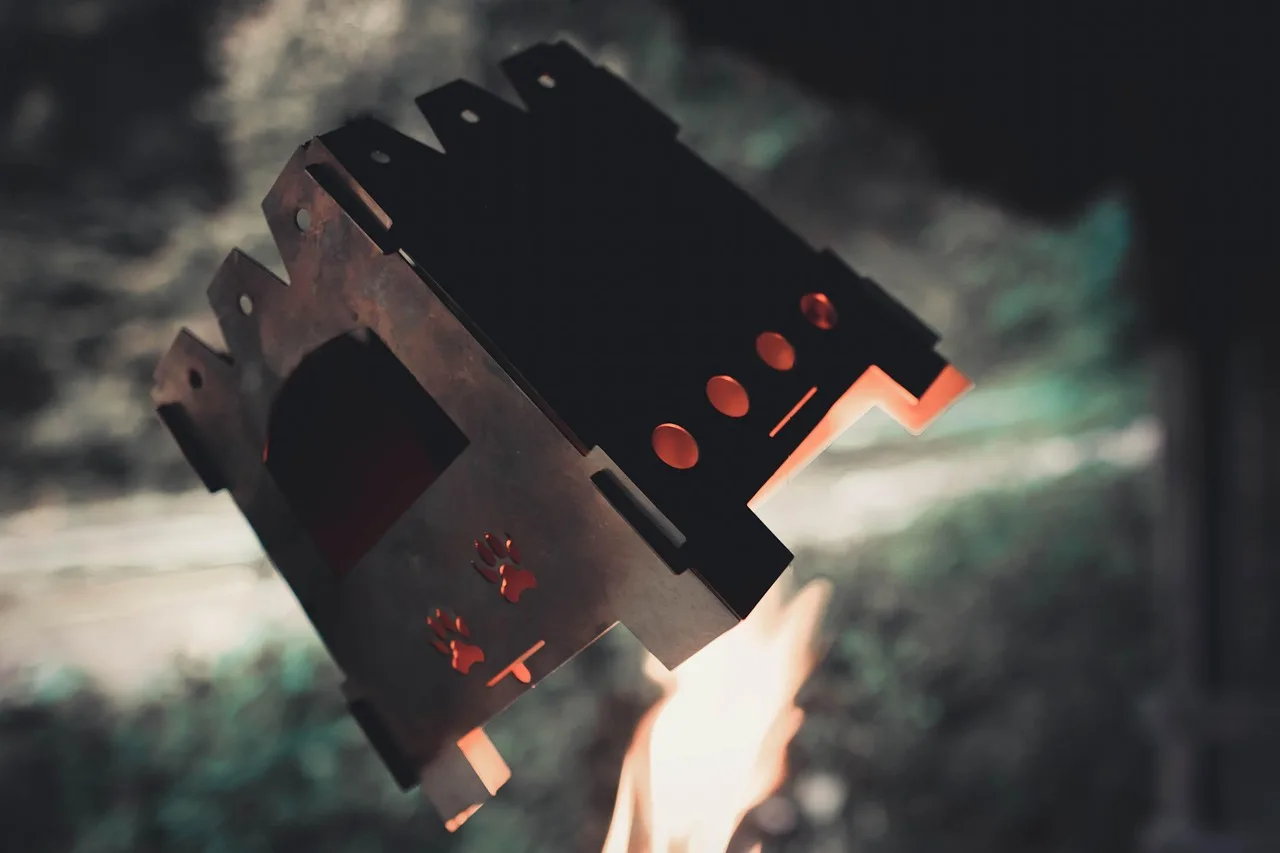
What is a camp stove and how is it used?

A camp stove is a portable outdoor cooker that can burn canister gas, liquid fuel, alcohol, or solid fuel to heat pots and pans away from a kitchen. Using the wrong fuel, poor cookware, or a shaky setup can waste fuel, damage gear, or cause burns and fire risk. This guide shows how to set up, light, and use a camp stove, then match stove type, fuel, and cookware to common campsite tasks.
What is a camp stove?
A camp stove is a portable cooking device you can carry in a vehicle or pack, then use outdoors for boiling water, making tea or coffee, and cooking simple meals. It is the main cooking tool at many campsites, especially where open fires are not allowed.
Unlike a campfire, a camp stove gives you a contained flame and tighter pot control. Unlike an electric hot plate, it does not need mains power. Some camping stoves use gas or other flammable fuel and produce a flame, so they belong in an open-air cooking spot, not in a kitchen or enclosed shelter.
What campers usually cook on one
Most beginners use a stove for water, one-pot meals, and quick breakfast food such as eggs, oats, or bacon. That usually means a kettle, a medium pot, or a fry pan. A two-burner setup makes group cooking easier, while a smaller burner is better for boiling and simple solo meals.
Say your group is making pasta for four. A wider pot on a stable two-burner stove is the practical choice, because a small burner and a tall pot can feel top-heavy and waste heat at the rim.
How does a camp stove work?
A fuel-burning camp stove works by moving fuel from a canister or tank through a valve to a burner, where ignition creates a flame you can turn up or down. Heat output changes with the valve setting, the burner design, the pot size, wind, and how much heat reaches the cookware instead of the air.
Fuel, valve, burner, and flame
On a canister stove, the fuel source connects to the stove body, then the valve meters gas into the burner. On liquid-fuel designs, the stove pressurizes fuel and sends it to the burner through a line. In both cases, the flame size changes when you adjust the valve.
Typical backpacking burners are around 2,000-4,000W, while large camp stoves can fall in the 5,000 to 20,000 BTU range on bigger models. A simple way to compare them is that 1 watt equals about 3.41 BTU per hour, so 3,000W is roughly 10,230 BTU per hour. Wind and cookware can still change real boil speed a lot.
What changes heat output and boil speed
Heat output is only part of the story. A wide pan, a heavy pot, a loose lid, or a gusty site can slow boiling even on a strong burner. A sheltered cooking spot and a pot that matches the burner size usually do more for efficiency than turning the valve fully open.
Camp stove use checklist
Use this the first time you set up a stove. Keep fuel cylinders disconnected during transport when your model requires it, and follow the manufacturer’s manual for your exact stove. If you are carrying a stove on or in a vehicle, follow the vehicle/product manual, never work under a vehicle held only by a jack, never exceed the vehicle’s rated roof/hitch/tow limit, keep items out of airbag zones and the driver’s view, and check local laws.
| Step | What to do | What to check |
|---|---|---|
| Setup | Place the stove on level, stable ground or a steady table. | No wobble, no soft or slanted surface, burner clear of loose gear. |
| Fuel connection | Attach the correct fuel source for your model. | Threading, connector type, and seals match the manual. |
| Leak check | Mix soap and water, brush it onto the connection, and look for bubbles. | If bubbles appear, shut the fuel off and do not light the stove. |
| Lighting | Open the valve slightly and ignite with the stove’s normal ignition method. | Flame catches cleanly and stays steady. |
| Cooking | Set the pot or pan centrally and adjust the flame to the task. | Pot sits flat and the flame stays under the base, not the handle. |
| Simmering | Turn the flame down after boiling starts. | Food bubbles gently, not furiously. |
| Shutdown | Close the valve fully and let the flame go out. | Confirm the burner is off before moving the stove. |
| Cooling | Wait for the burner, pan supports, and pot to cool. | No hot surfaces before packing. |
| Packing | Disconnect fuel if your model calls for it, cap it, and pack everything dry. | Fuel separated from the stove and stored as instructed. |
How do you use a camp stove safely?
Safe use starts with open air, a stable cooking surface, and a leak check before lighting. Keep the stove outdoors or in a place that is open to fresh air. Do not use a fuel-burning camp stove in a house, tent, vehicle, garage, or under an enclosed awning or porch.
Leak checks before lighting
Before the first flame, check every connection with soapy water. If bubbles form, stop, shut the fuel off, and fix the problem before you try again. Do not rely on smell alone. Do not light the stove until the leak is gone.
Ventilation, wind, and stable placement
A sheltered cooking spot helps the flame stay steady and reduces fuel waste. But a windbreak should not trap exhaust around the stove. Keep the burner level, keep handles turned inward, and keep the stove away from dry leaves, tent fabric, and other flammable items.
A common first-timer mistake is setting a canister-top stove on a picnic table edge because the burner feels light. If the pot is large or the table shifts, the whole setup can tip. A lower, steadier surface is the better choice.
When not to use it indoors or under cover
Do not use a camp stove indoors. Do not use it in a tent, vestibule, car, or any enclosed shelter. Fuel-burning stoves produce combustion gases, and carbon monoxide risk is part of that. If weather forces you under cover, stop and cook elsewhere rather than trying to “just crack a door.”
What fuel does a camp stove use?
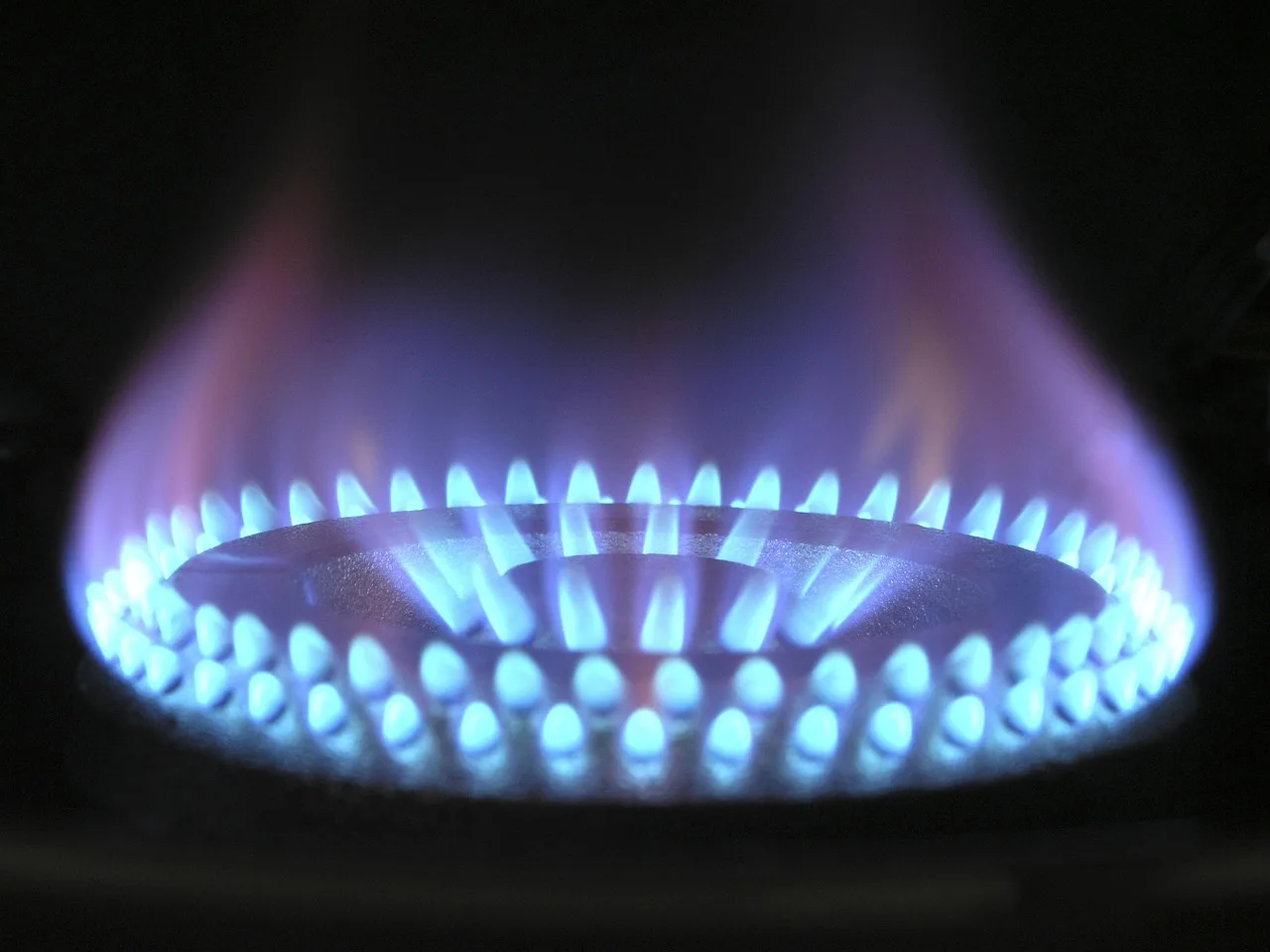
Camp stoves may burn propane, butane, isobutane blends, white gas, alcohol, or wood. The fuel you choose depends on the stove type, the weather, and how much control you want. Canister fuel is common for beginners because lighting and shutdown are simple.
Propane, butane, and isobutane canisters
Canister fuel is the most familiar option for many campers. Some camping stoves fit directly onto an EN417 cartridge, and some burner systems use other connector formats, so check the stove listing for your exact model. Common canister sizes often include 100 g, 110 g, 230 g, 450 g, 4 oz, 8 oz, and 16 oz.
Canisters often contain a propane-butane or isobutane-propane mix. That mix matters because fuel behavior changes with temperature. In colder weather, performance can drop, and canister output can weaken as fuel pressure falls. Keep the canister warm before use, avoid trying to heat it directly, and expect slower boil times in cold conditions.
White gas, alcohol, and wood-burning options
White gas stoves are common where strong cold-weather performance matters. Alcohol stoves are simple and quiet, but they usually need more patience and are better for light cooking than fast boiling. Wood-burning stoves rely on found fuel and suit places where small twigs are allowed and dry enough to burn cleanly.
Canister sizes and transport basics
Many models require the fuel canister to be disconnected for transport. Follow the manual for your stove, then store the fuel capped, upright, and separated from hot gear. If the stove uses a threaded canister, make sure the valve is closed before disconnecting it.
Which camp stove fits your cooking?
The best stove depends on what you cook most often, how many people you feed, and how much stability you need. A single lightweight burner suits coffee and solo meals. A broader, heavier stove suits frying, simmering, and cooking for a group.
Two-burner camp stoves for group meals
Classic camping stoves usually come with two burners and fold-up windscreens. Large tabletop camp stoves can weigh around 10 to 15 pounds on average. That extra weight buys space for bigger pots, two pans at once, and better group meal prep at a drive-in campsite.
Canister-top stoves for light packing
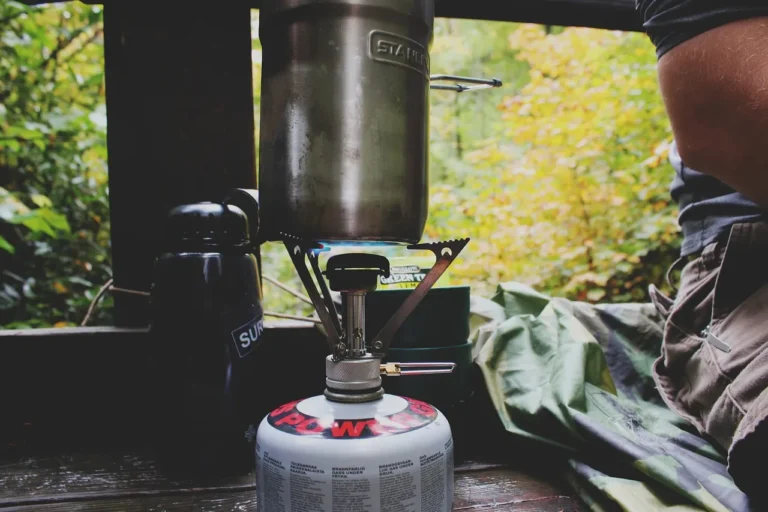
Canister-base single-burner stoves are lighter and more compact, popular for backpacking and emergency use. They are simple to carry and quick to deploy, but they can feel less stable under a large pot. They work best for boiling water, coffee, and small one-pot meals.
Hose-fed stoves for steadier cookware
A hose-fed stove uses a remote canister connected by a braided metal hose, so the burner sits low to the ground. That lower profile helps with stability and makes it easier to use larger cookware. If you care more about steadiness than packed size, this format is worth a look.
Camp stove vs backpacking stove
Backpacking stoves favor low weight and small packed size. Camp stoves favor stability, larger cookware, and easier group cooking. The right pick depends on whether you care more about carrying the stove a long distance or cooking for several people at once.
Weight, stability, and cookware size
Canister-top backpacking stoves are compact and quick to set up, but they sit high on the fuel canister. That makes them less stable with a broad skillet or a full pot. Two-burner and hose-fed camp stoves sit lower or spread wider, so they hold bigger cookware better.
Heat output and real-world boil performance
Higher heat does not always mean faster cooking. A strong burner can still boil slowly if wind strips heat away or if the pot is too wide for the flame pattern. For actual campsite use, a snug pot lid and a sheltered site often matter as much as published watt or BTU numbers.
Picture a 1.5-liter pot on a small burner with a breezy site. The water may take longer to boil than a spec sheet suggests. Move the stove behind a windbreak, use a lid, and keep the pot centered, and the result is usually better than simply opening the valve more.
Which one suits your campsite?
Choose a canister-top stove for solo backpacking, short trips, or emergency kits. Choose a two-burner camp stove for front-country cooking and larger meals. Choose a hose-fed stove if your cookware is heavy or you want more stability around a bigger pot.
Frequently asked questions
Can you use a camp stove in the house?
No. A fuel-burning camp stove should generally not be used in a house, tent, vehicle, garage, or other enclosed shelter. It needs open-air ventilation, and indoor use creates carbon monoxide risk. If you cannot use it outside in safe conditions, do not use it at all.